I would like to write a post for each category, ranking all the nominees. I thought I would start with Best Original Song even though I really do not have a lot of strong feelings here. I think all of the nominated songs are… fine. There is nothing particularly awful here, but there is no Shallow either. So this order is pretty random and I am not too attached to it.
5. Breakthrough, „I’m Standing with You”
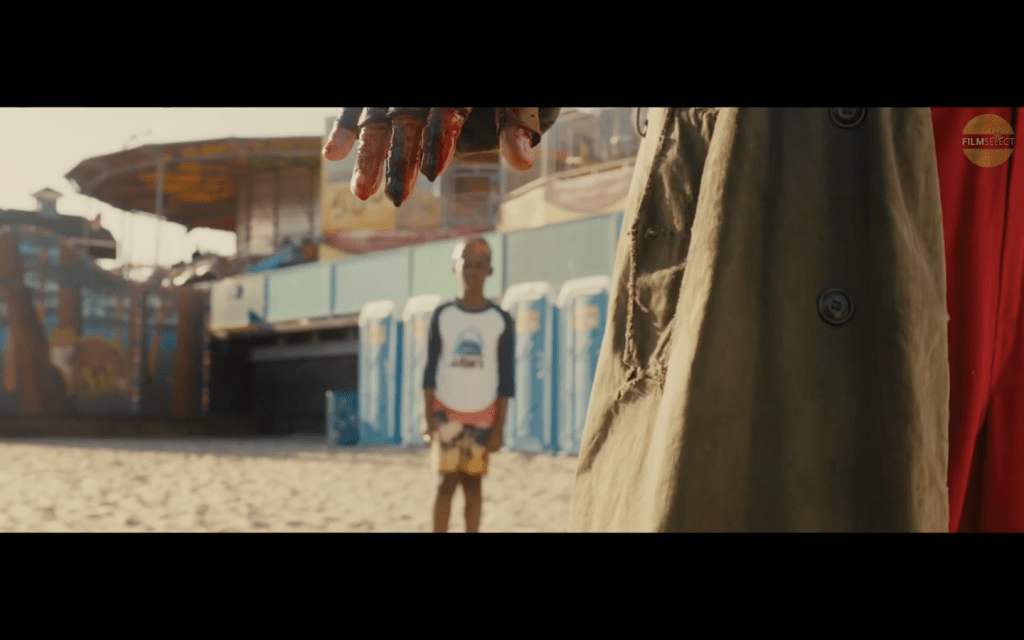
Let’s start with one of my favourite Oscar traditions: a random Christian film no one heard about that somehow gets nominated for Best Song. This year, it is Breakthrough, a story of a boy who falls into a frozen lake and gets saved thanks to the power of prayer. The song is very whatever – not terrible, but if they sing it during the ceremony it is going to be very boring.
4. Toy Story 4, „I Can’t Let You Throw Yourself Away”
I love Randy Newman but this year I am going to cheer for him in the Original Score category. „I Can’t Let You Throw Yourself Away” is no „You’ve Got a Friend in Me”. It is not very memorable, feels like a montage song which does not work well for re-listens in my opinion. But I guess it has a nice message for the millennials?
3. Harriet, „Stand Up”
Song from the Harriet Tubman biopic sang by its lead actress, Cynthia Erivo. She has a wonderful voice and the song is powerful. The lyrics are kind of literal but I guess that is fine. There is a lot of singing in the film, but weirdly enough, I do not remember this particular song. Still, it sounds nice.
2. Rocketman, „(I’m Gonna) Love Me Again”
Rocketman is MUCH better than Bohemian Rhapsody which somehow got nominated for a million awards last year. At least they got the song. And the song is fun, one you can dance too, it is always nice to get something other than a ballad. And it is probably the one I would actually want to see performed during the Oscars.
1. Frozen II, „Into the Unknown”
This might be a boring choice and „Into the Unknown” is nowhere near as iconic as „Let It Go”, but it is the one nominated song that actually stayed in my head after I finished listening to it. I did not love the film that much but I love Idina Menzel and she delivered once again. A nice melody with some interesting lyrics about finding yourself (lesbian subtext again?). This would be my choice for the award.
(I just wish they would have nominated „Catchy Song” from The LEGO Movie 2).
So. The Oscar nominations were announced today. I still have not seen Little Women and The Farewell, two films that were snubbed in various categories, according to many. Both of them were directed by women, The Farewell – by a woman of color. No women were nominating in the Best Director category. Again. The two aforementioned films come out at the end of the month in my country, I suspect I am going to like (maybe love) them. I write this seemingly redundant tidbit to explain their absence in what is going to be my list of grievances with the nominations.
As always, the Academy proves it is not willing to go beyond the status quo. It nominates the same kind of films every year. Joker could be seen as something fresh but I truly dislike this film and I am annoyed that it got the highest amount of nominations. I also thought Ford v Ferrari was one of the most soulless, gutless, most boring projects of the year – this is a film I would call an Oscar bait. And both of those got Best Picture nominations. Ridiculous.
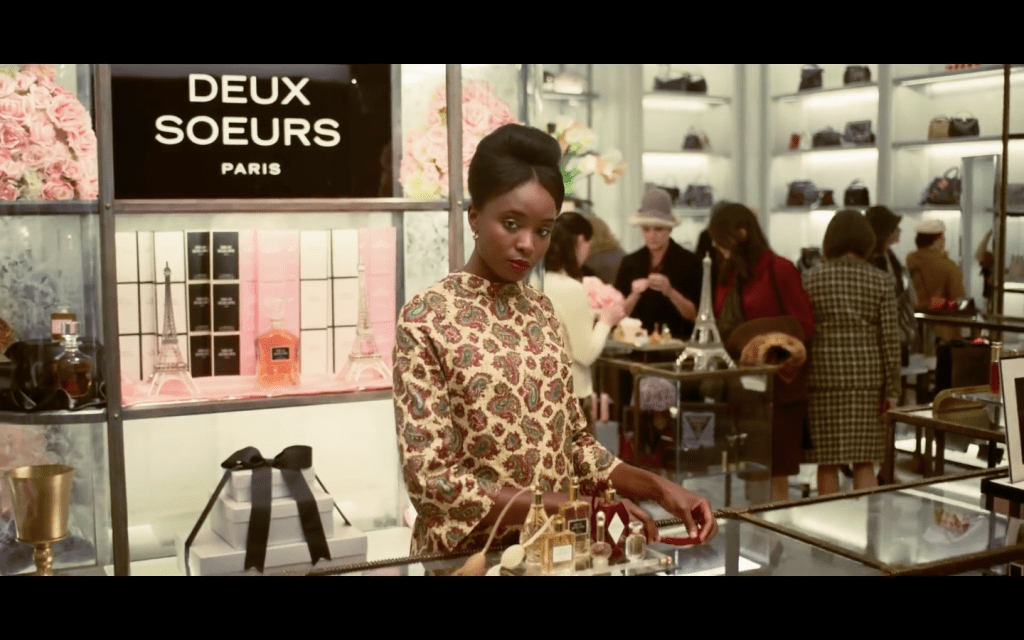
The acting nominations are extremely white. The one actress of color nominated is Cynthia Erivo for Harriet. I have not seen Harriet yet, I have no reason to suspect she does a bad job, but it does seem pretty disturbing that the one woman of color they choose to nominate played a slave. Especially when you consider other actresses of color who gave amazing performances last year – including award-winning ones. The two that immediately come to mind are Lupita Nyong’o in Us and Awkwafina in The Farewell (as I mentioned earlier – I have not seen the film yet but she just won a Golden Globe). And, maybe the saddest omission – Jennifer Lopez did not get nominated for Hustlers. I do not understand it.
But even white men were not safe! Robert De Niro was seen as potential winner and he did not get nominated. Neither did Taron Egerton (and if there was any justice he would if only to balance out last year’s embarrassment that was Bohemian Rhapsody). Rian Johnson’s Knives Out, a fantastic film, got him a writing nomination and nothing else. No directing, no production design, no acting nominees…
And Todd Philips got nominated for Joker. There are no words.
As always, horror films were some of the greatest of what cinema had to offer in 2019: Midsommar, The Lighthouse (a lone cinematography nod), Us… I could nominate everyone based on these films alone. But I guess generic biopics are more in line of what the Academy deems great cinema.
How can I sum up 2019 in movies… For a large part of the year, I actually thought it was quite weak film-wise, for the longest time the top of my „year ranked” list was filled with 2018 films released a year late in my country. But, thankfully, something happened in the autumn/winter and I found myself watching all those great new films. Still, I think there were a lot of things that made a stir in the film world that I simply do not feel that strongly about. And I would say this is the year the reboot/sequel/remake fatigue started getting to me (anyone remember they made a new Men in Black?).
Honorable mentions: The Favourite, Once Upon a Time in Hollywood, Shoplifters, The Souvenir, J’ai perdu mon corps, Atlantics, Booksmart, Mirai, The Image Book, Peterloo, Toy Story 4, Birds of Passage, Lords of Chaos, Yesterday, Hail Satan?, Blinded by the Light,Apollo 11, Piercing
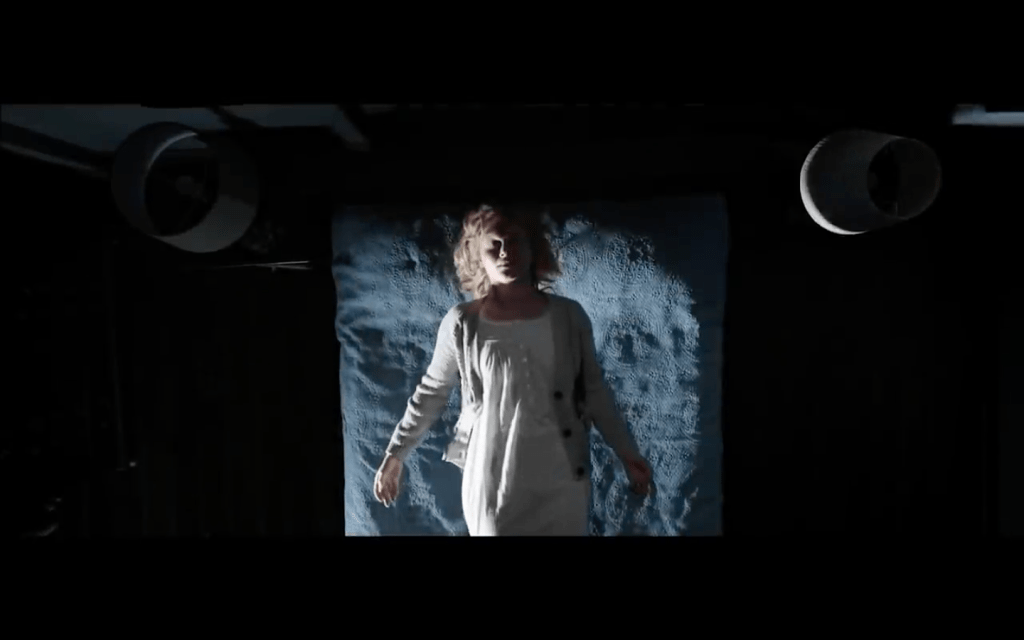
19. Vox Lux, dir. Brady Corbet
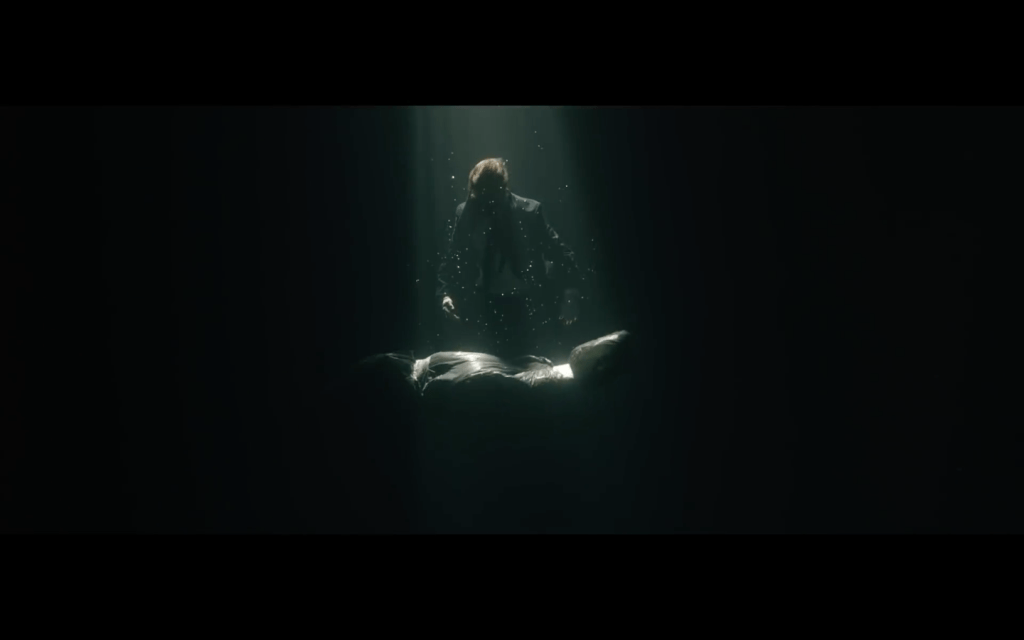
It may not be the greatest start to a „best of” list if the first thing on it is a film that literally everyone I know not just disliked but flat out hated. I went to see Vox Lux with my parents who enjoy everything they see and I have never seen them so confused and maybe even mad at what they just witnessed on the screen. Maybe the fact that the film is so outrageous is the reason why it spoke to me. I did not know what it was about before watching it (other than having a vague idea of Natalie Portman as a pop star), I was shocked by the opening scene and later it took me on a crazy journey of the machinations of fame and the appropriation of someone’s suffering by the masses. This is, to me, what I imagined Climax was to others this year.
18. High Life, dir. Claire Denis
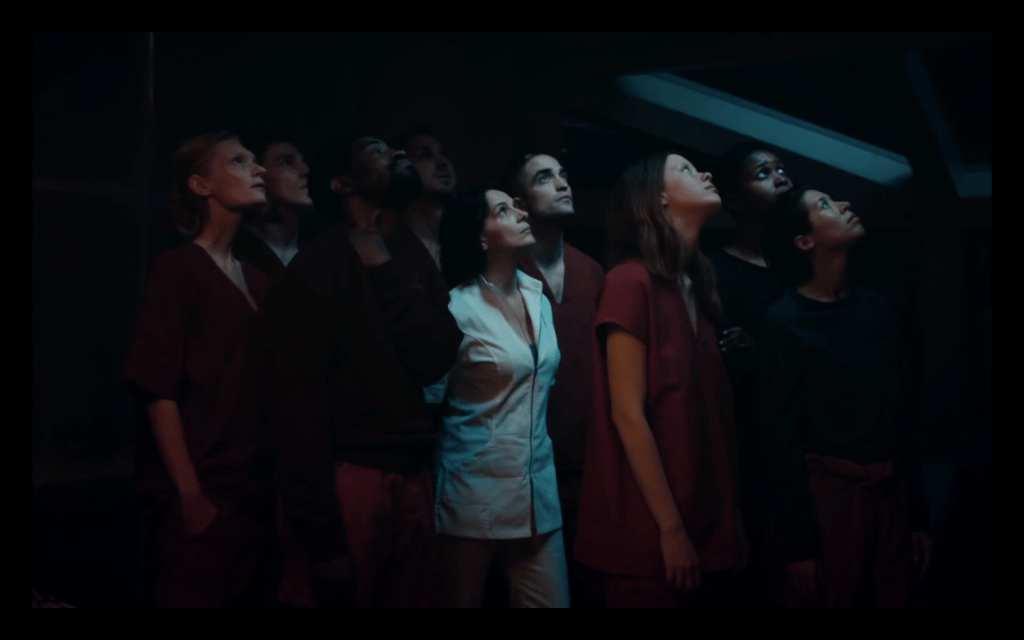
Space, silence, bodily fluids – exactly what one would expect from a Claire Denis sci-fi film. We are following Robert Pattinson and his daughter, the sole survivors on a spaceship. We see flashbacks that in a way explain what happened but also not really, time feels like it does not exist. This is a film that does not rely on a linear story, it is definitely one that has to be felt.
Do I „get” High Life? Am I even smart enough to „get” it? Is it meant to be understood? Is it okay if it is not? I definitely have my thoughts and observations about what Claire Denis chose to show on the screen but I feel like sharing them accomplishes nothing. This is a space journey of the soul if I ever saw one.
17. Her Smell, dir. Alex Ross Perry
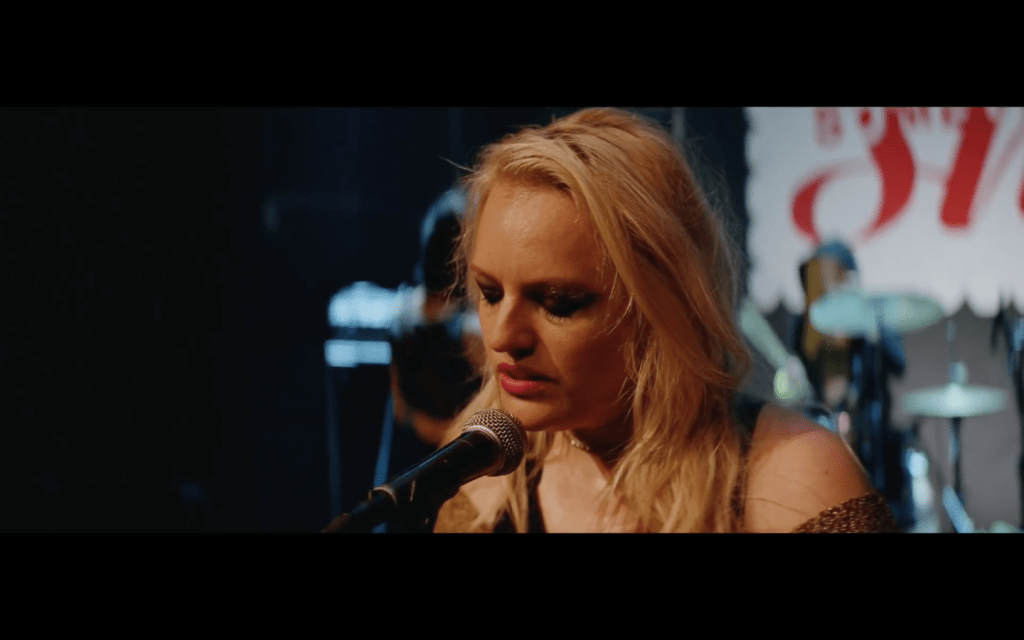
Elisabeth Moss as a not-Courtney-Love riot girl singer with some troubles that take toll on her personal and professional life. She drinks, she takes drugs, there are some weird new age people hanging around… But she also has a little daughter and the baby’s father thinks she should get her act together if she wants to raise her. Her Smell is Elisabeth Moss being drunk, being loud, causing troubles – rock ’n’ roll. I love punk and I love riot grrrls, and while this film is mostly about Moss herself, not so much about the movement, but that is fine. I really appreciated some quieter, tender moments in between all the madness (and yes – I am talking about that wonderful rendition of Bryan Adams’s „Heaven”).
16. Dolemite Is My Name, dir. Craig Brewer
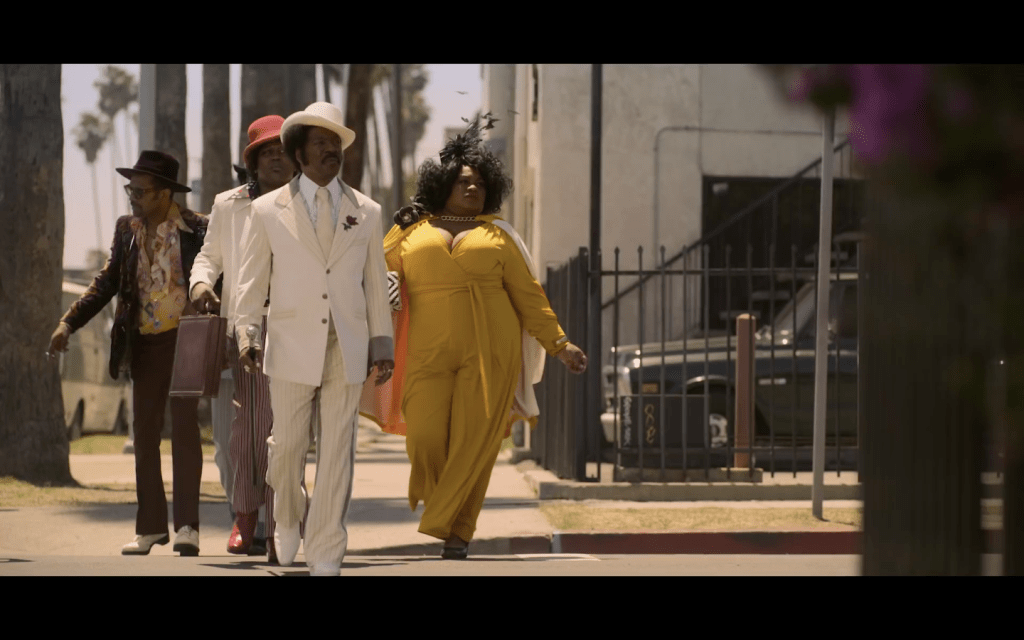
Many of the year’s films’ theme seemed to be trying to find joy and happiness in difficult, sad circumstances. And I think one of the most triumphant people seeking something more than they were dealt was Dolemite, played by Eddie Murphy. Alongside number ten, Dolemite Is My Name is probably the biggest crowd-pleaser on the list. It is funny, it features a cast of charismatic characters that are fun to root for, it looks great. And while I loved High Life and how it made me try and connect to my own humanity and humanity in general, I also enjoyed and appreciated having fun with those wannabe filmmakers making something incredibly dumb. I hope Eddie Murphy gets some awards love this season.
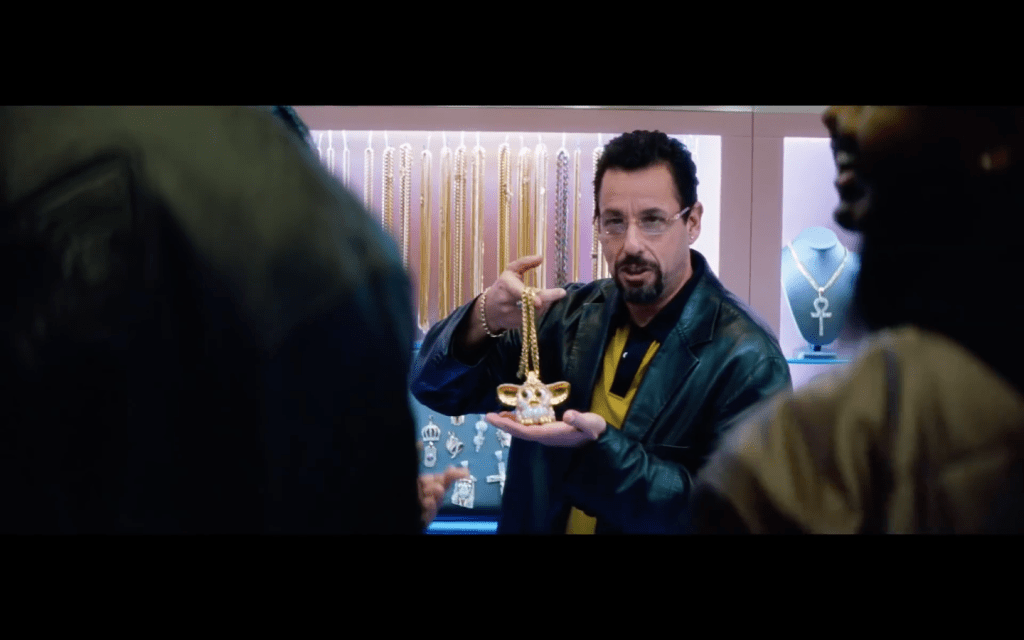
15. Uncut Gems, dir. Josh Safdie & Benny Safdie
I feel like normally I am not that big on crime films and this year there were three fantastic ones I had to include on the list: Hustlers, The Irishman, and Uncut Gems (oddly enough, Knives Out, a murder mystery, occupies a different space in my mind). Uncut Gems is maybe the one that keeps you on the edge of your chair the most. While watching Adam Sandler running around New York City, making risky financial decisions, I would sometimes get genuinely stressed. But it was a fun kind of stress. It was fun and frustrating (because WHY would he make all those decisions) and it somehow messed me up about how „retro” 2012 looks already. Side-note, every film should feature „L’Amour toujours” by Gigi D’Agostino.
14. The Irishman, dir. Martin Scorsese
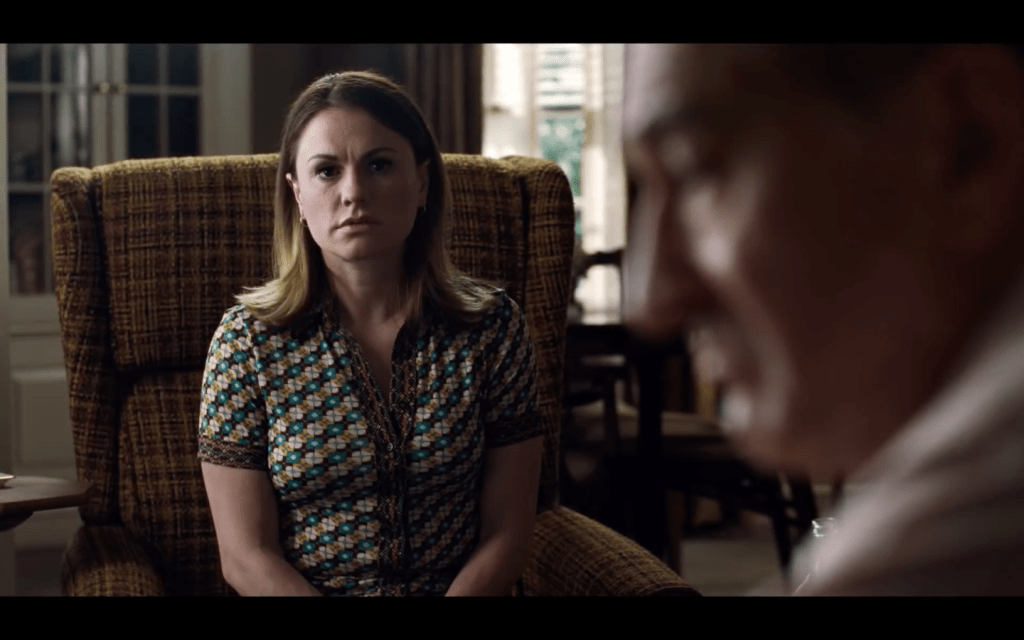
I am very glad that despite his pretty strong opinions as to what cinema is and what it should be, Martin Scorsese still decided to work with Netflix because to me The Irishman feels more like a fantastic mini-series than a film. And that is not a bad thing, in fact, I think it helps the case of a film that is three and a half hours long. The Irishman does feel like a goodbye. I do not think it is, really (for anyone involved), but it does evoke feelings of melancholy and reflection. You can feel it with the way Scorsese composed the shots and the story, you can feel tin De Niro’s acting choices. And the de-aging very rarely (maybe once? – that one fight scene…) actually bothered me. Hot take: Anna Paquin’s only six words of dialogue may be the year’s most profound and effective moment in film.
13. Dolor y gloria, Pedro Almodóvar
Speaking of looking back at your past as a human and as an artist…
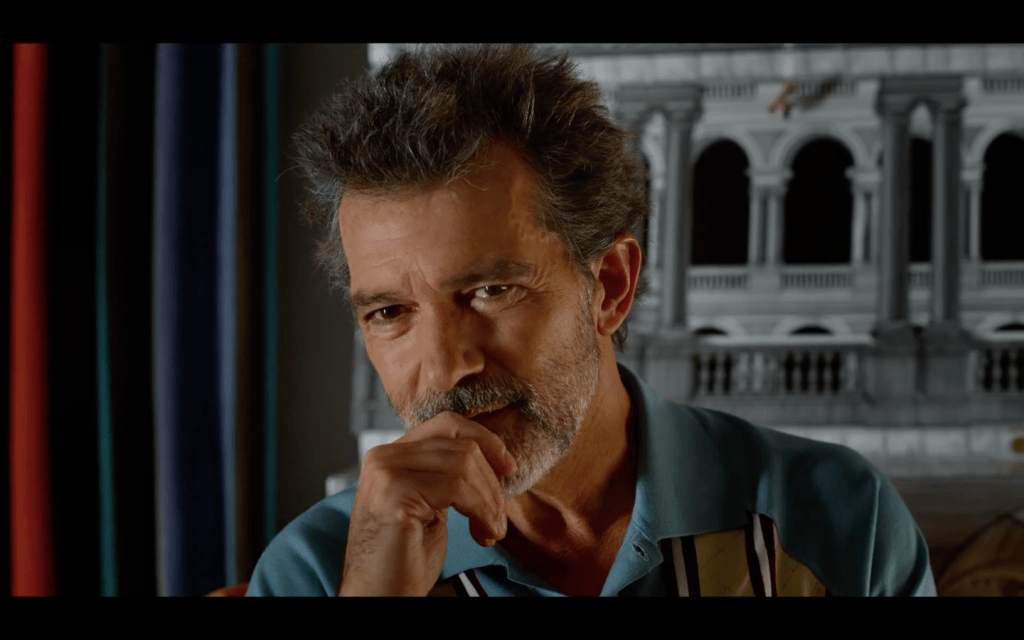
All of Almodóvar’s films look amazing but Pain and Glory might be particularly beautiful. But, even though I love pretty-looking films the most, here the story and the entirety of Antonio Banderas’s performance is what truly won my love. Maybe an artist clearly talking about himself, looking back at his life, via the characters he creates is not the most revolutionary idea but Almodóvar does put his own stamp on it and creates something wonderful. And the ending might be the greatest ending of this year in film.
12. The Miseducation of Cameron Post, dir. Desiree Akhavan
A lot of people my age (or even older) read and love young adult literature. I never understood that completely, because, while I have some childish interests and enjoy low-brow things all the time, whenever I read one of those novels I get bored so quickly that I cannot imagine reading them for fun and actually feeling connected to those teenage characters.
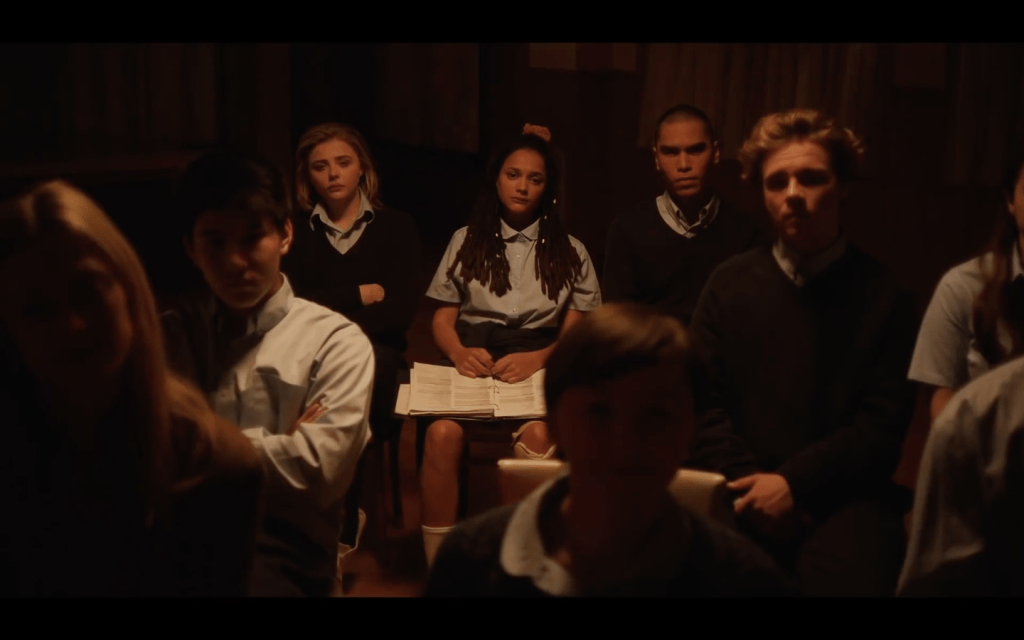
But then one day I read The Miseducation of Cameron Post by Emily M. Danforth. I was shocked by how well the book was written, by how much space was given to Cameron’s, a teenage lesbian sent to a conversion camp, feelings and thoughts and pain. And Desiree Akhavan managed to adapt this quality of the book, the subtleties, the feelings. I would urge anyone to seek this film and not get discouraged by thinking it is just another YA adaptation. And if you are, like I was, worried about Chloë Grace Moretz… don’t be, she’s fine.
11. Us, dir. Jordan Peele
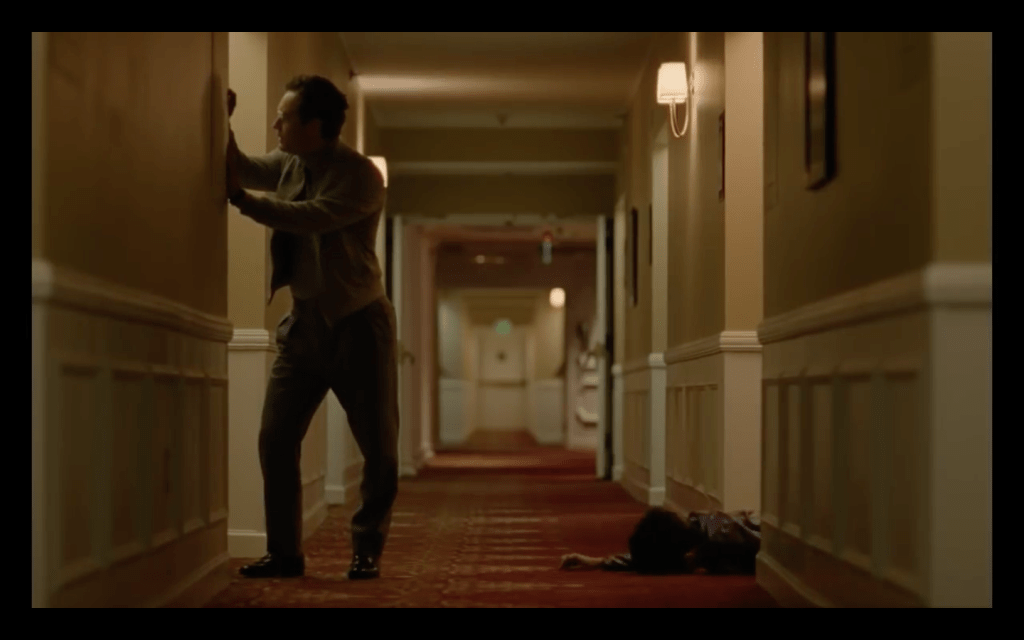
Two actresses this year gave, in my opinion, truly masterful performances – and both of them were in horror films which makes me worried they might not get what they deserve come the awards season. One of those actresses will be mentioned in relation the the film at number two on the list, the other is Lupita Nyong’o in Us. I think the film is absolutely fantastic and it is sad that it seemed to have lost a bit of momentum because of the boring „plot hole” crowd who nitpick things that are not even problems, seemingly choosing to completely ignore the big picture. This might just be a perfect representation of the US today (said the non-American), it definitely is a perfect new horror entry with maybe the simplest yet also incredibly clever villains in a long time.
10. Knives Out, dir. Rian Johnson
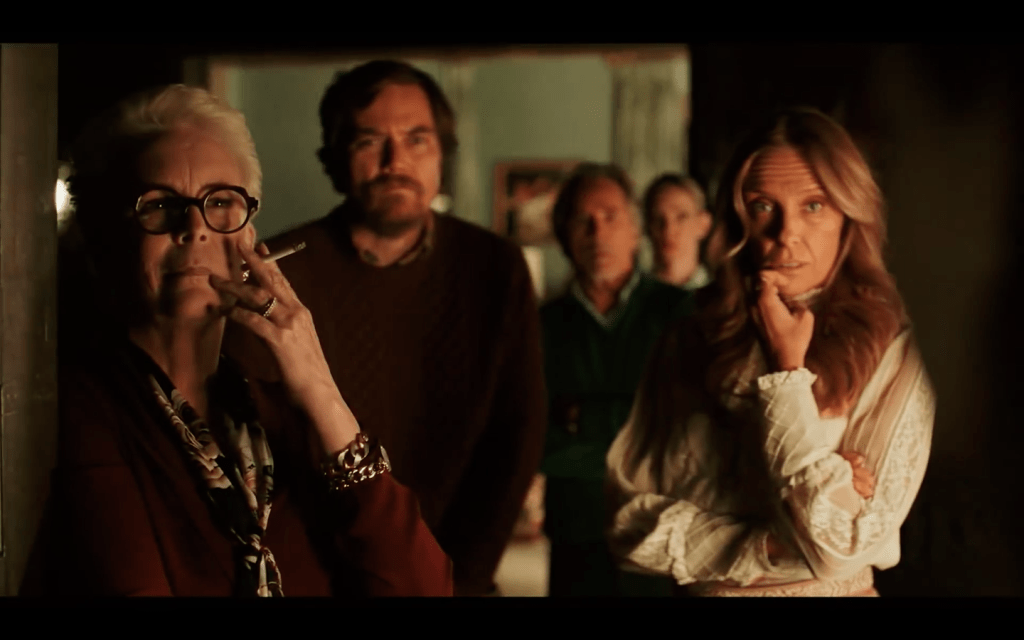
This one probably won’t surprise anyone. It seems like no other film this year united the audience members worldwide that well – everyone seemed to enjoy Knives Out. And, I am going to be honest, as someone who truly loves The Last Jedi, seeing Rian Johnson getting praise and validation felt great (especially now that The Rise of Skywalker turned out to be… quite a disaster). Knives Out is fun and funny but it is also a critique of the rich which I always love. But, truth be told what won me over in the end were probably the sets and the sweaters. Plus, I laughed way too hard at the Nazi kid.
9. Hustlers, dir. Lorene Scafaria
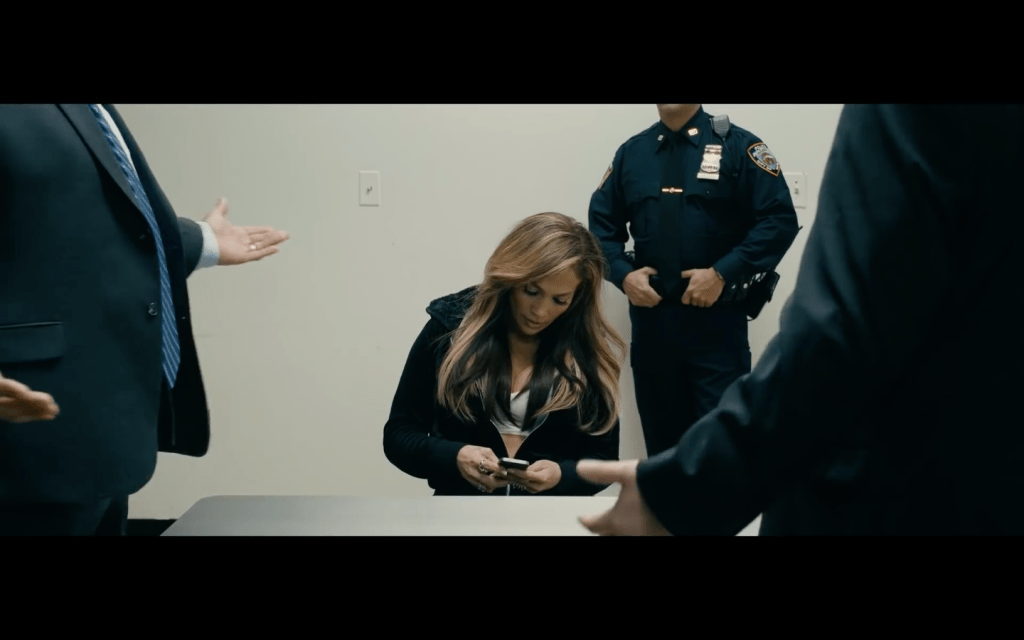
A group of gorgeous women pole dancing for money. One could argue that this is not the image we should be promoting in the woke year of 2019. But the truth is that this is not a story of female empowerment, this is a crime film about people being pushed to desperate measures by finding themselves in dire straits. This is a portrait of women doing morally questionable things. But Lorene Scafaria somehow manages to show those things as wrong technically, while also suggesting why we might sympathize for them a bit. This is a film about class, about capitalism and how it can ruin us. And the performances are fantastic – I hope the seemingly universal enthusiasm about Jennifer Lopez potentially getting a Best Supporting Actress Oscar works out.
8. The Lighthouse, dir. Robert Eggers
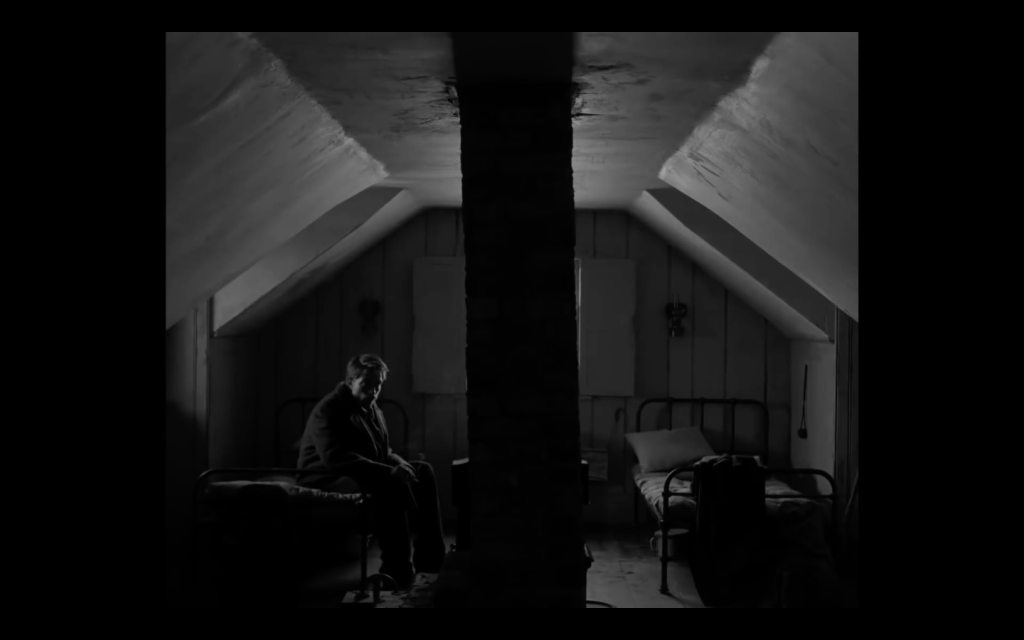
Maybe I have actually wanted to write a proper post with actual reasons as to why I consider the films I include here worthy of mentioning as the absolute best of the year. And here is something important: Robert Eggers’s The Lighthouse is a work of art, a masterfully shot, acted, and directed gem of a film. But also, the thing I want to shout out loud when people mention it is: „MY AESTHETIC”! I love Robert Pattinson and Willem Defoe, I love sweaters, I love the sea, I love lighthouses, I love the exploration of human mind’s slow descent into madness… The Lighthouse has all of that and, somehow, it also has a lot of humour. It is scary, it is disturbing, but it is also fun. I am so glad it exists and we still get films like that.
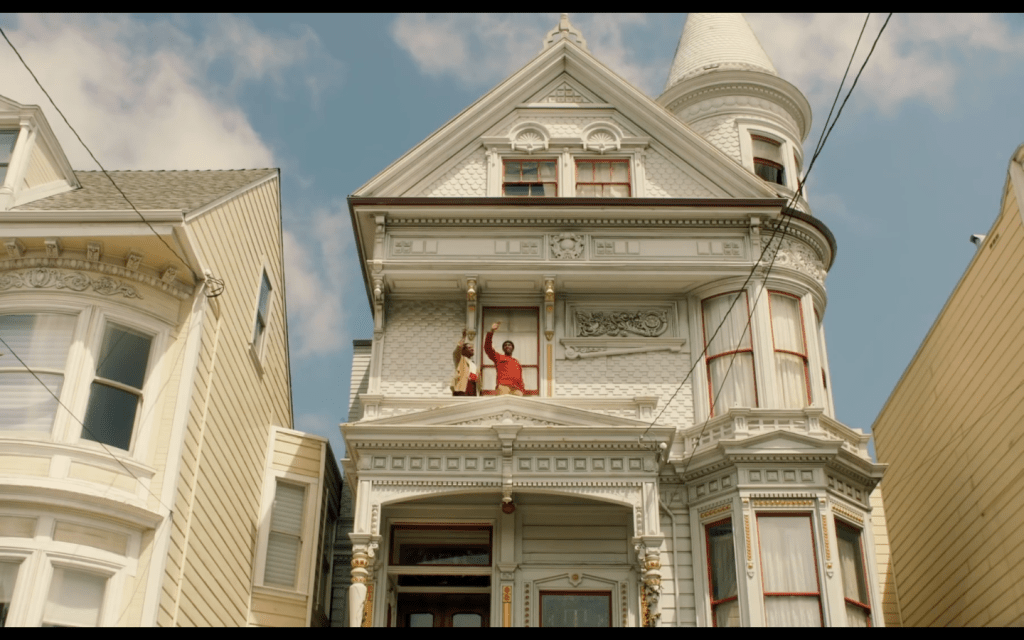
7. The Last Black Man in San Francisco, dir. Joe Talbot
A tale of trying to desperately find who you are and whether what you always believed in is actually true. Also, a portrait of gentrification, of losing your legacy and safety. And all of this is absolutely gorgeously shot. It is one of the most beautiful films of the year. The cinematography, the music, and the way I could somehow relate to the characters’ feelings despite being in a completely different place and life situation made this film one of the most touching experiences of the year. I wish it would be talked about more as far as awards are concerned but at the same time I love the idea of this film being this actual hidden gem you watch by accident sometime in 2032 and it changes your life.
6. If Beale Street Could Talk, dir. Barry Jenkins
I realize that this is technically a 2018 film, it was even nominated for an Oscar this year. But in my country it only came out this spring. And if it did come out last year here as well, I would still have to include it on my Best of the Year list.
When I first heard that Barry Jenkins is making a film about a man falsely accused of rape in the year 2018, I cringed. But then I thought, which man can I actually trust with a subject like that if not Barry Jenkins? And the film handled the topic in a compassionate, fair way than did not accuse the rape victim of anything, a film that recognizes where the problems lie, what power structures are at play here. Plus, the cinematography, the colours, the music (maybe most beautiful score of the year) are incredibly gorgeous and the performances are wonderful (Regina King’s Oscar was maybe the most deserved one this year). A heartbreak of a film in the best way possible.
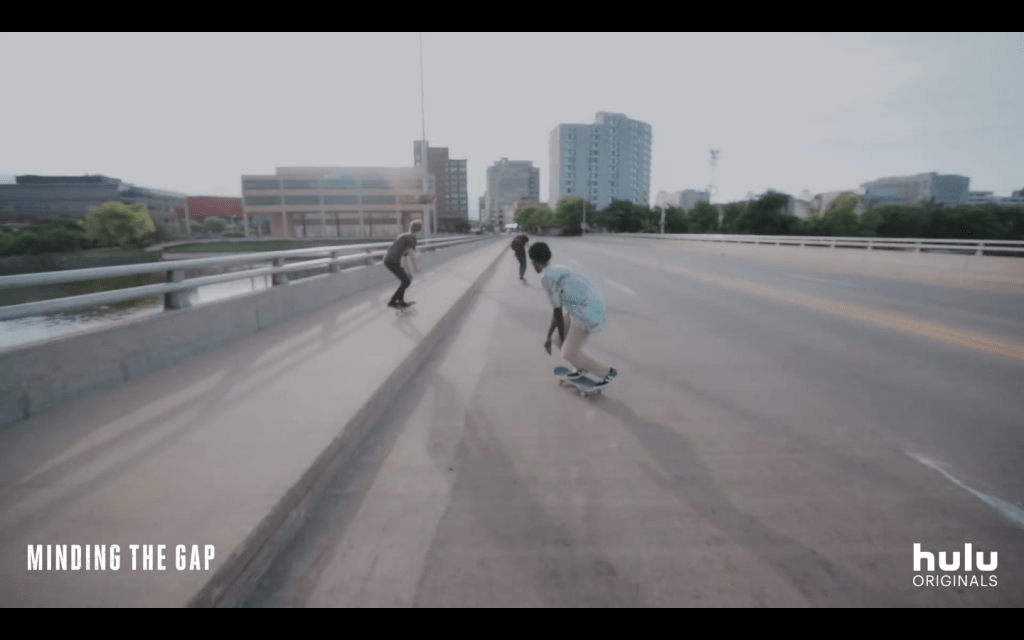
5. Minding the Gap, dir. Bing Liu
Again, a 2018 release technically but a 2019 release for me. And so I can include in on my 2019 list and I will because I will take every opportunity I get to talk about this film. On the surface level this is a portrait of the skateboarding community that the director Bing Liu himself has been a part of. But as the film progresses and we get to know the characters it becomes so much more. This is a story about abuse and growing up and dealing with your traumas as well as you can and still messing up sometimes.
One thing I feel the need to mention is that Minding the Gap features what might be the most astonishing and heartbreaking moment in editing I have seen this whole year and probably longer. And it ends with“This Year” by The Mountain Goats, the ultimate expression of joy and choosing to live despite what one has been through, so it truly is something I could not have not loved.
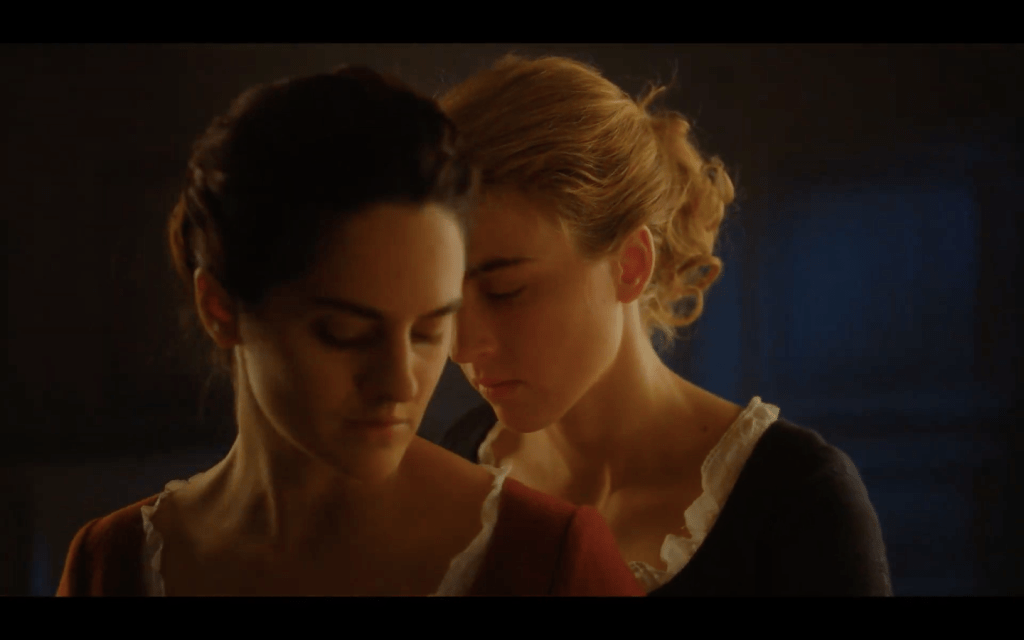
4. Portrait de la jeune fille en feu, dir. Céline Sciamma
-I’ve dreamt of that for years.
-Dying?
-Running.
An incredible film. Céline Sciamma deserves all the directing awards in the world. This is a story that heavily features art and painting and every scene truly does look like a painting. And the relationship we are watching being formed on the screen is equally gorgeous. This is a story about love and about pain and repression and desperately wanting to express yourself, to not be forced to be small and quiet. Beautiful cinema in every way. I lack the writing skills to properly express my feelings towards it.
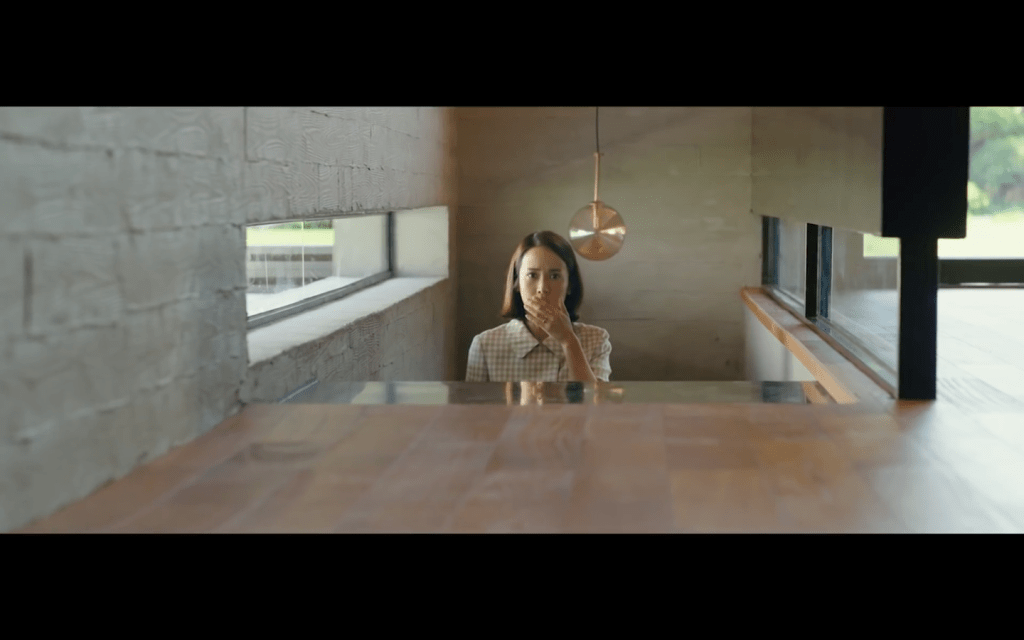
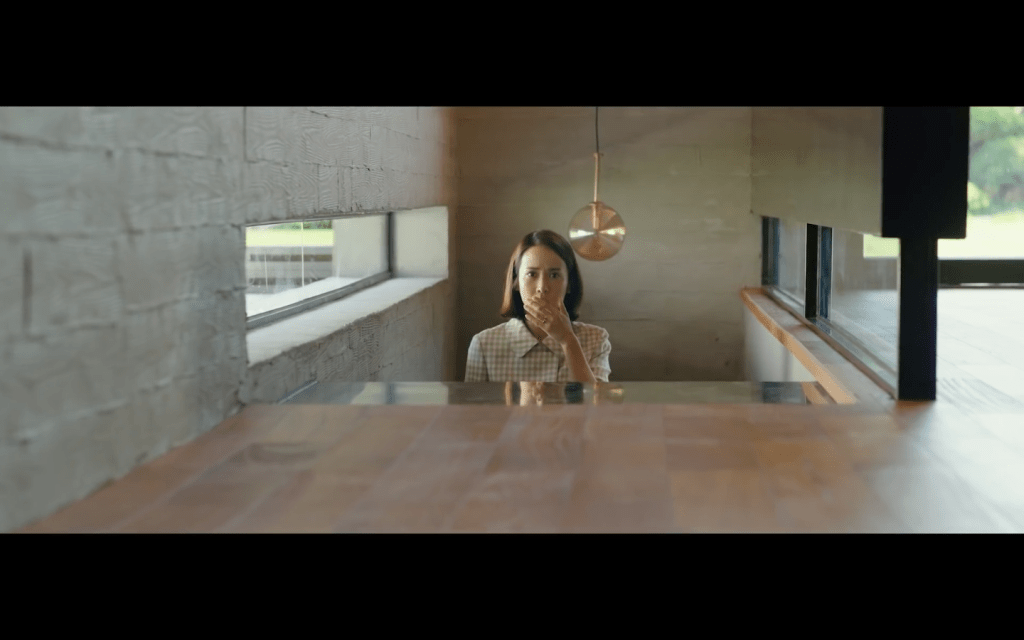
3. Gi-saeng-chung, dir. Bong Joon-ho
The one film (other than Knives Out) everyone seems to agree on this year. Parasite is this year’s critical darling that also works well with audiences (if they give it a chance). Including me! I do not know if that is an element of the film that works particularly well with people, or is it it as a whole. There is an exploration of the subject of class and there is also a suspenseful thriller intrigue going on. Best of both worlds.
And even though many disturbing things are going on on the screen, I have to say I loved being in this world. Maybe there is just something about spending two hours mostly in one place with established group of people that brings you close to them. Even if you do not necessarily condone their behaviour. Then again, maybe you do: Parasite makes you question your own morals because maybe you are okay with doing bad things to rich people (Parasite is basically Hustlers, I guess).
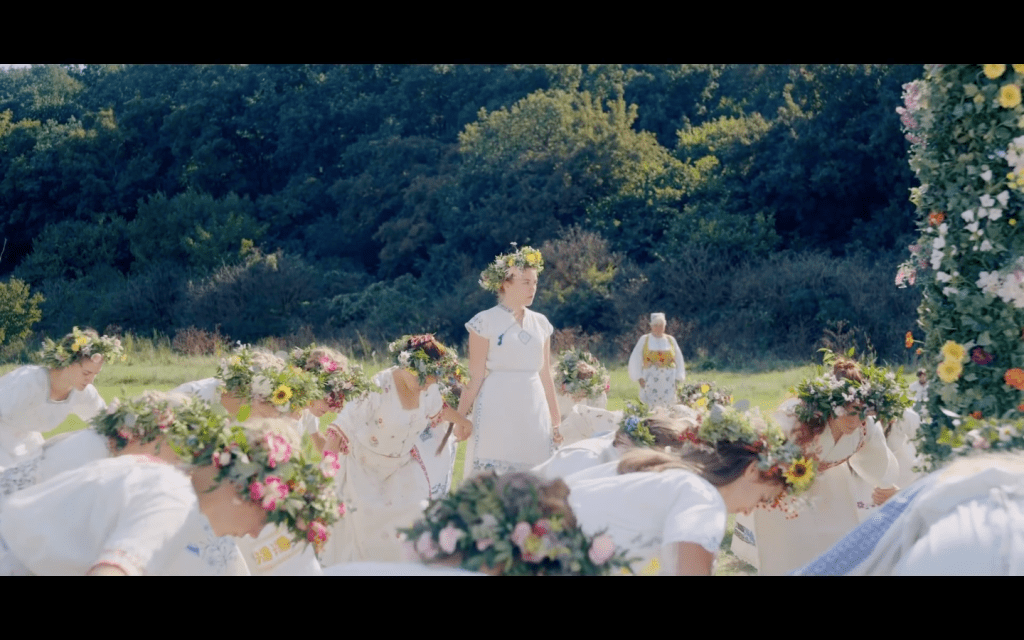
2. Midsommar, dir. Ari Aster
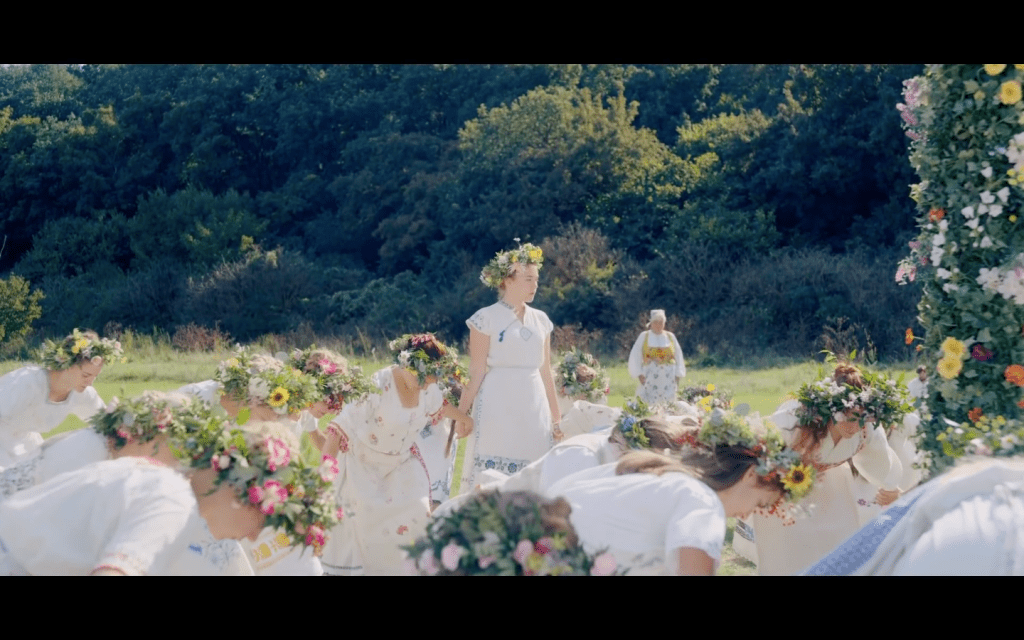
Call me shallow (by Lady Gaga and Bradley Cooper) but I love beauty. And one of my favourite things is beautiful look of a film. And on that front, Midsommar truly delivers. As soon as the first teasers dropped, I knew this would be my top film of the year. Not only because everything is so gorgeous in it, but also because I just LOVE folk horror, or even the slightest mention of folk themes in horror (or, any other media).
And then I actually saw the film and it turned out that it is also, among all the craziness, a very real life experience. As disturbing as the film is, there is also some positive message, some life affirmation. [SPOILER] The final shot of the film represents liberation and acceptance of what is, as it is, of freeing yourself of all the emotional burden. I would really love to experience that in 2020.
Also, if there was any justice in the world, as I alluded to earlier, Florence Pugh would be the frontrunner for Best Actress Oscar.
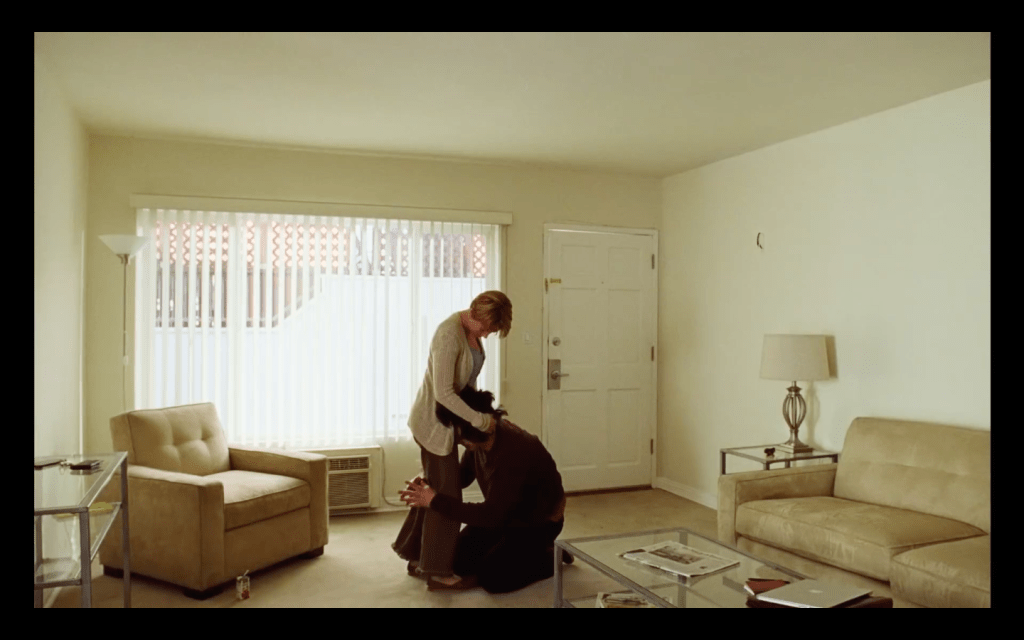
1. Marriage Story, dir. Noah Baumbach
Normally I really do not enjoy watching dramas about rich, white, straight people who are really sad. And while divorce is hard on everybody, rich or not, the necessity to fly back and forth between New York City and Los Angeles is such a ridiculous and unreliable problem that it should make me roll my eyes so hard they pop out of my skull. And yet, Marriage Story is my favourite film of the year. And no one is more surprised than I am.
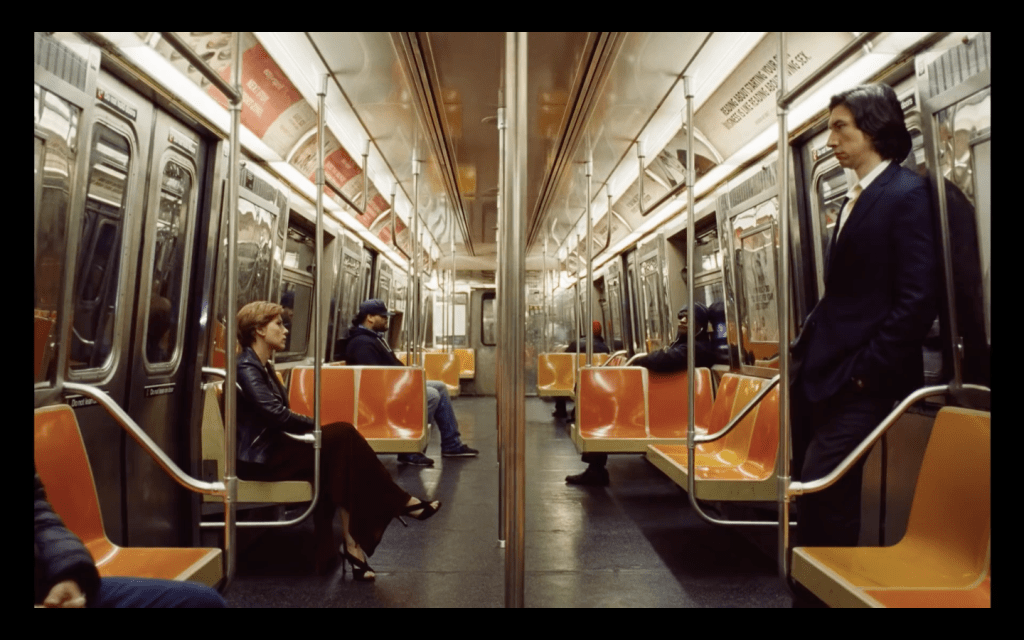
Let us begin with the acting, because that is what most people talk about when they talk about Marriage Story. I won’t add anything revolutionary to the discussion. Both Scarlett Johansson and Adam Driver deliver emotional, beautiful performances with some truly impressive big scenes in addition to small, tender little moments that just break your heart. The look of the film! It seems to bland at first, empty light apartments, but why does it work so well? But what I appreciate most about the film are probably all the little moments in the script that do something unusual: be it a brilliant scene with a knife or a Sondheim sing-along. Those are the moments that, as sad as it may sound, make my life worth living.
I always end up liking the films that make me feel things the most. And Marriage Story made me feel a lot. It made me feel what it is like (dare I say it?) being alive.
Okay, I know it is not actually the 1910s. So, here is my list of my favourite 110 films of this decade. Knowing my luck, in these last two weeks of 2019, I will watch dozens of incredible 2010s films that will make this list obsolete. Oh, well.
TOP 110 Films of the 2010s
110. Tom à la Ferme (2013), dir. Xavier Dolan
109. The Beguiled (2017), dir. Sofia Coppola
108. Jesteś Bogiem (2012), dir. Leszek Dawid
107. Black Panther (2018), dir. Ryan Coogler
106. Grandma (2015), dir. Paul Weitz
105. Ex Machina (2015), dir. Alex Garland
104. 12 Years a Slave (2013), dir. Steve McQueen
103. Short Term 12 (2013), dir. Destin Daniel Cretton
102. Body/Ciało (2015), dir. Małgorzata Szumowska
101. Efes beyahasei enosh (2014), dir. Talya Lavie
100. Leto (2018), dir. Kirill Serebriennikov
99. Enough Said (2013), dir. Nicole Holofcener
98. Can You Ever Forgive Me? (2018), dir. Marielle Heller
97. The Miseducation of Cameron Post (2018), dir. Desiree Akhavan
96. Nebraska (2013), dir. Alexander Payne
95. The Big Sick (2017), dir. Michael Showalter
94. Us (2019), dir. Jordan Peele
93. Knives Out (2019), dir. Rian Johnson
92. Tully (2018), dir. Jason Reitman
91. A Quiet Place (2018), dir. John Krasinski
90. Baby Driver (2017), dir. Edgar Wright
89. Hustlers (2019), dir. Lorene Scafaria
88. Love & Mercy (2014), dir. Bill Pohlad
87. About Time (2013), dir. Richard Curtis
86. Les amours imaginaires (2010), dir. Xavier Dolan
85. Scott Pilgrim vs. the World (2010), dir. Edgar Wright
84. Gone Girl (2014), dir. David Fincher
83. Selma (2014), dir. Ava DuVernay
82. Beginners (2010), dir. Mike Mills
81. Pride (2014), dir. Matthew Warchus
80. Wuthering Heights (2011), dir. Andrea Arnold
79. The Killing of a Sacred Deer (2017), dir. Jorgos Lantimos
78. The End of the Tour (2015), dir. James Ponsoldt
77. The Shape of Water (2017), dir. Guillermo del Toro
76. Into the Forest (2015), dir. Patricia Rozema
75. Sorry to Bother You (2018), dir. Boots Riley
74. Lady Bird (2017), dir. Greta Gerwig
73. L’étrange couleur des larmes de ton corps (2013), dir. Hélène Cattet & Bruno Forzani
72. Jak całkowicie zniknąć (2014), dir. Przemysław Wojcieszek
71. Grave (2016), dir. Julia Ducournau
70. Pokot (2017), dir. Agnieszka Holland & Kasia Adamik
69. Paterson (2016), dir. Jim Jarmusch
68. What We Do in the Shadows (2014), dir. Jemaine Clement & Taika Waititi
67. Crimson Peak (2015), dir. Guillermo del Toro
66. Frances Ha (2012), dir. Noah Baumbach
65. Vi är bäst! (2013), dir. Lukas Moodysson
64. Snowpiercer (2013), dir. Bong Joon-ho
63. The Deep Blue Sea (2011), dir. Terence Davies
62. Submarine (2010), dir. Richard Ayoade
61. Boyhood (2014), dir. Richard Linklater
60. The Hateful Eight (2015), dir. Quentin Tarantino
59. The Master (2012), dir. Paul Thomas Anderson
58. Mandy (2018), dir. Panos Cosmatos
57. The Florida Project (2017), dir. Sean Baker
56. Demon (2015), dir. Marcin Wrona
55. Force Majeure (2014), dir. Ruben Östlund
54. Her (2013), dir. Spike Jonze
53. Phantom Thread (2017), dir. Paul Thomas Anderson
52. Moonrise Kingdom (2012), dir. Wes Anderson
51. A Star Is Born (2018), dir. Bradley Cooper
50. The Avengers (2012), dir. Joss Whedon
49. Black Swan (2010), dir. Darren Aronofsky
48. Hereditary (2018), dir. Ari Aster
47. Melancholia (2011), dir. Lars von Trier
46. Blue Valentine (2010), dir. Derek Cianfrance
45. Call Me by Your Name (2017), dir. Luca Guadagnino
44. Nightcrawler (2014), dir. Dan Gilroy
43. The Grand Budapest Hotel (2014), dir. Wes Anderson
42. We Need to Talk About Kevin (2011), dir. Lynne Ramsay
41. Get Out (2017), dir. Jordan Peele
40. The Love Witch (2016), dir. Anna Biller
39. The VVitch: A New-England Folktale (2015), dir. Robert Eggers
38. Córki dancingu (2015), dir. Agnieszka Smoczyńska
37. Beyoncé: Lemonade (2016), dir. Beyoncé, Kahlil Joseph, Melina Matsoukas, Dikayl Rimmasch, Mark Romanek, Todd Tourso & Jonas Åkerlund
36. Aus dem Nichts (2017), dir. Fatih Akin
35. Saul fia (2015), dir. László Nemes
34. Toni Erdmann (2016), dir. Maren Ade
33. La vie d’Adèle (2013), dir. Abdellatif Kechiche
32. I Am Not Your Negro (2016), dir. Raoul Peck
31. Star Wars: Episode VII – The Force Awakens (2015), dir. J.J. Abrams
30. Hugo (2011), dir. Martin Scorsese
29. Loving Vincent (2017), dir. Dorota Kobiela & Hugh Welchman
28. If Beale Street Could Talk (2018), dir. Barry Jenkins
27. Minding the Gap (2018), dir. Bing Liu
26. Mustang (2015), dir. Deniz Gamze Ergüven
25. The Cabin in the Woods (2011), dir. Drew Goddard
24. Portrait de la jeune fille en feu (2019), dir. Céline Sciamma
23. Django Unchained (2012), dir. Quentin Tarantino
22. Star Wars: The Last Jedi (2017), dir. Rian Johnson
21. Mommy (2014), dir. Xavier Dolan
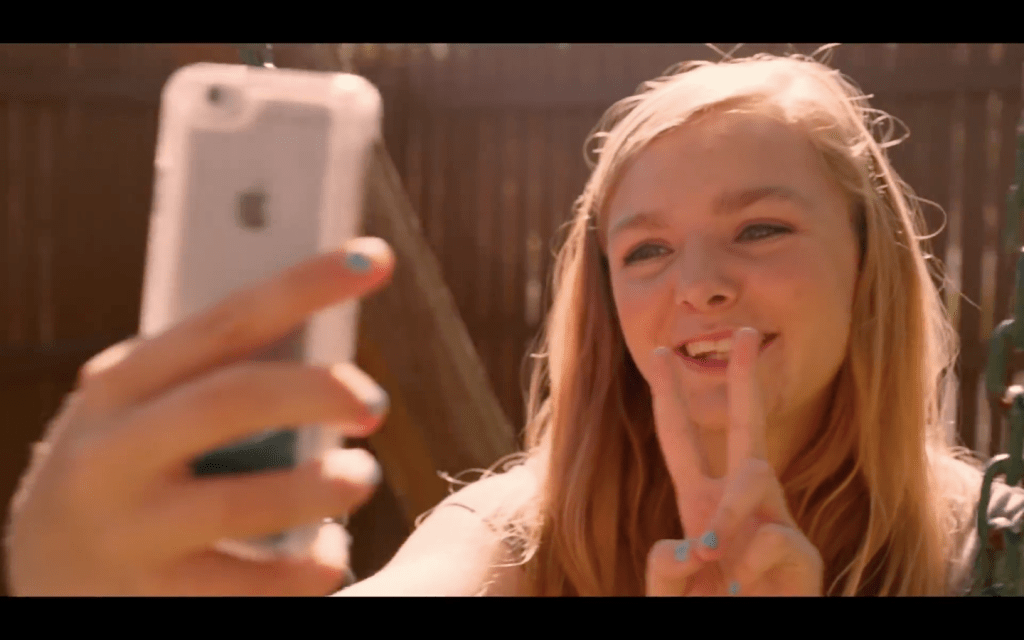
20. Eighth Grade (2018), dir. Bo Burnham
One of the biggest surprises of the decade for me. This film affected me like few others did and I still want to tear up when I think about particular scenes (scene…) in Eighth Grade. This is like a wonderful present for the young and those who felt hurt by being young. Bonus points for accurately portraying young people using technology.
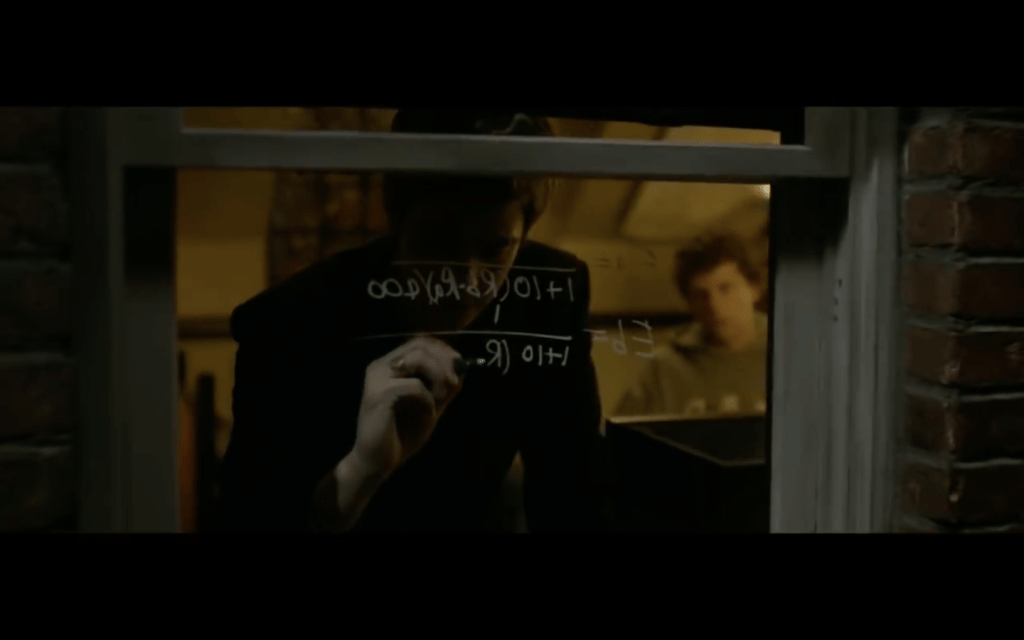
19. The Social Network (2010), dir. David Fincher
Even though it feels like our collective attitude towards Facebook changed completely from the beginning of the decade, The Social Network still stands on it own. One of the greatest tragic love stories of our time.
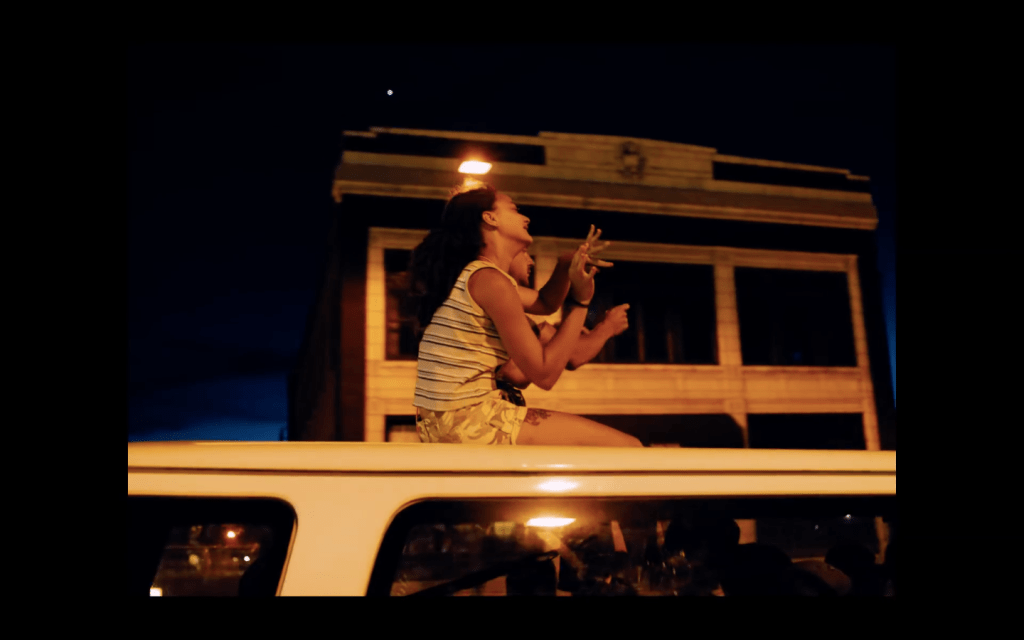
18. American Honey (2016), dir. Andrea Arnold
I have never been to the US but I imagine that the country is exactly like the one in American Honey. A road movie that is unapologetically long, sweaty, and sometimes stopping in dull places far from the picturesque postcard USA. And it’s amazing.
17. The Babadook (2014), dir. Jennifer Kent
One of the greatest horror films of the decade. One of the most iconic monsters of the decade, one that comes with its own lore, imagery, and catchphrase of sorts. Plus, an incredible lead performance and a beautifully sad story.
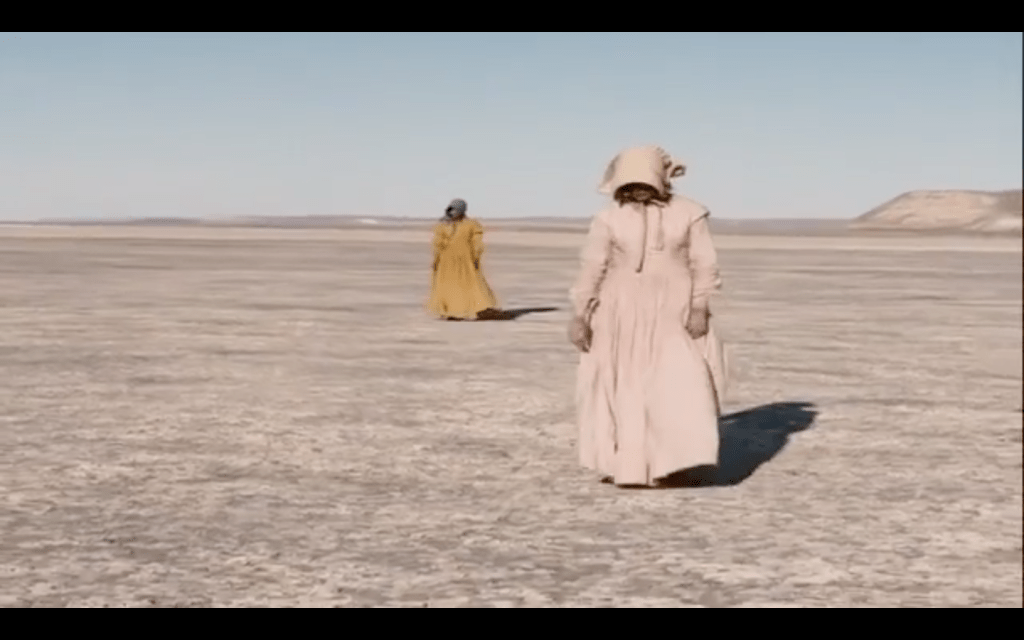
16. Meek’s Cutoff (2010), dir. Kelly Reichardt
Kelly Reichardt inventive and rule-breaking western about the pioneers’ struggle to survive. It is a beautiful film and an extraordinary achievement in filmmaking. I almost feel that it is under appreciated for how amazing it is.
15. Gi-saeng-chung (2019), dir. Bong Joon-ho
I am glad that the last year of the decade brought in some films I loved enough for them to make the list. And I do not think I have to justify my inclusion of Parasite too long, since it is fresh on everybody’s minds and we all seem to be in agreement it is unbelievably good.
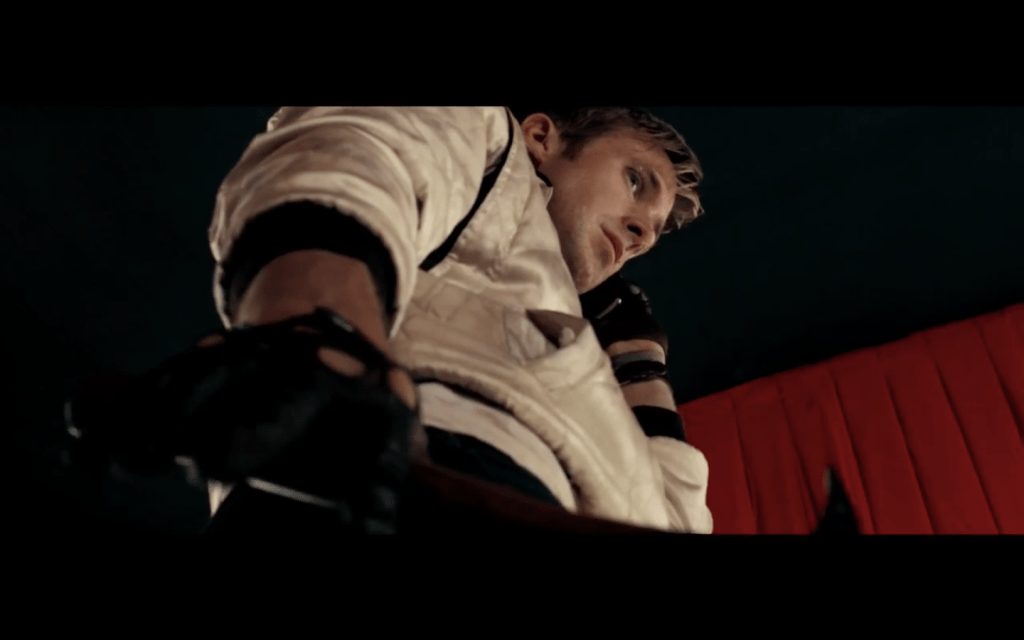
14. Drive (2011), dir. Nicolas Winding Refn
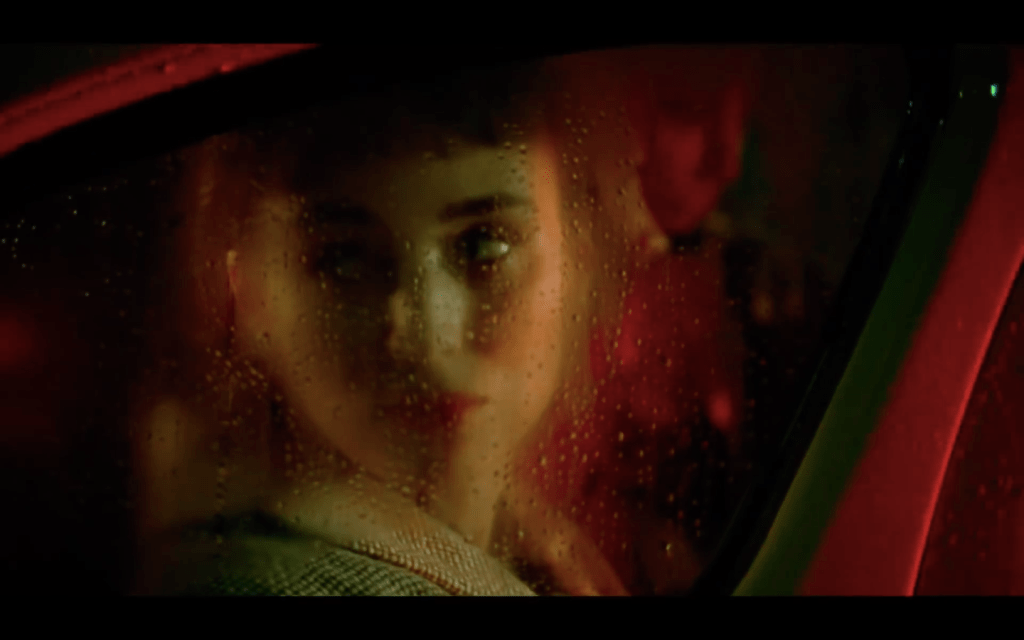
Like with number 12 on the list, this film used to be universally loved and now people seem to pretend that it was not. I love Drive, I love the minimal story, and the soundtrack, and the colours… It is not the most exciting choices for a list like this but I remember how much it affected me when I was still a teen at the beginning of the decade.
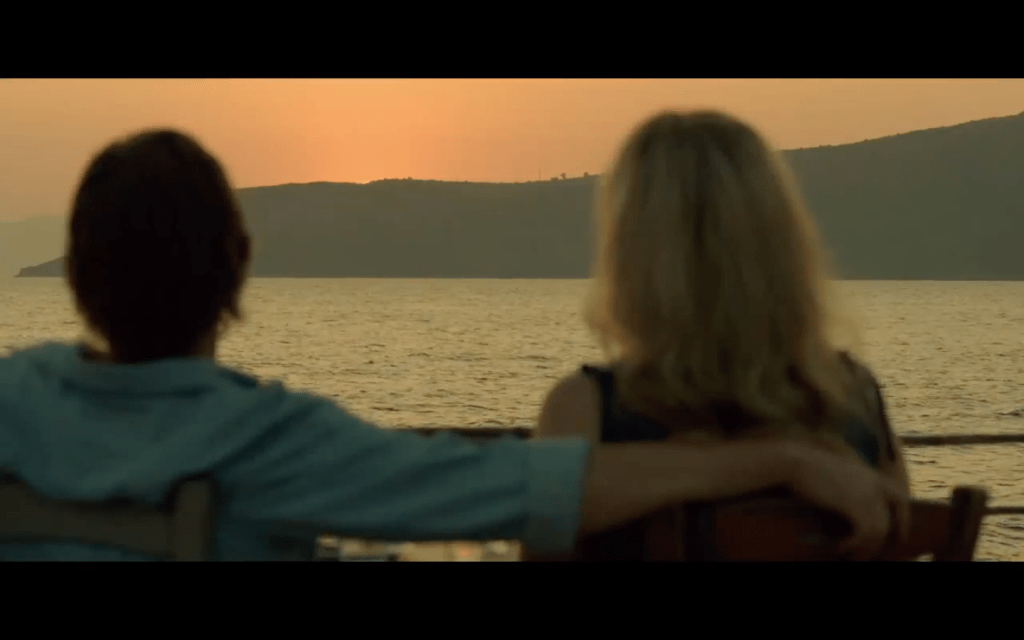
13. Before Midnight (2013), dir. Richard Linklater
Of course I had to include Before Midnight. I love the entire Before trilogy, each part is as good as the other ones. All I can hope for in the next decade is that we get another installment in 2022.
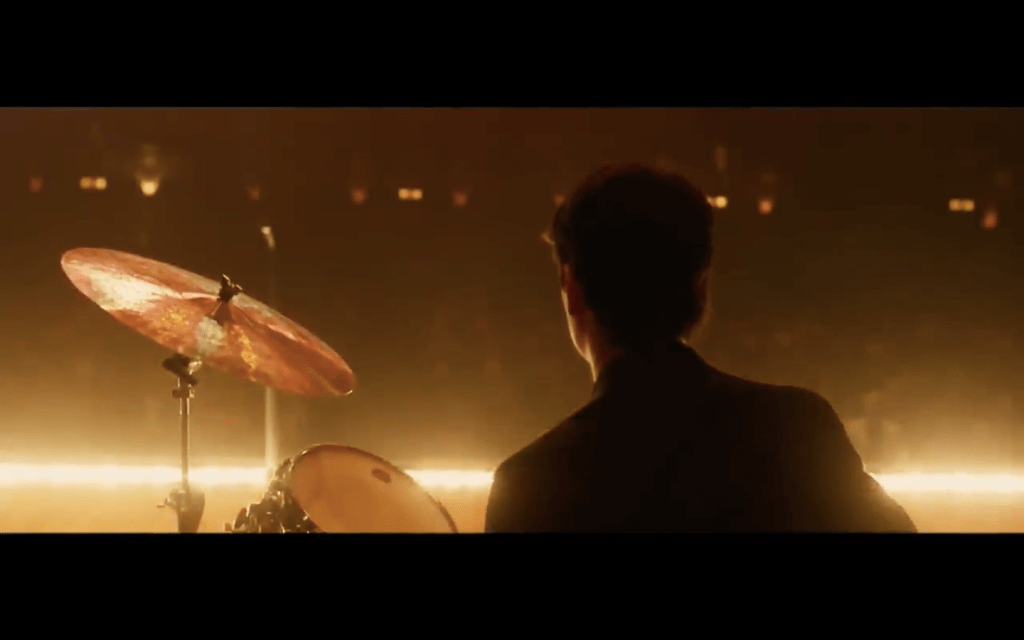
12. Whiplash (2014), dir. Damien Chazelle
I feel like Whiplash was a phenomenon when it came out and then people kind of pretended it was not but I still consider it an incredible achievement. The acting, the music, the energy: all of those are still amazing and make for great cinema.
11. Testről és Lélekről (2017), dir. Ildikó Enyedi
This one I would call an underrated gem because while it was well-received at the award circuit, I feel like not enough people love On Body and Soul as much as it deserves to be loved. To me, this is one of the decade’s most beautiful romances.
10. Ah-ga-ssi (2016), dir. Park Chan-wook
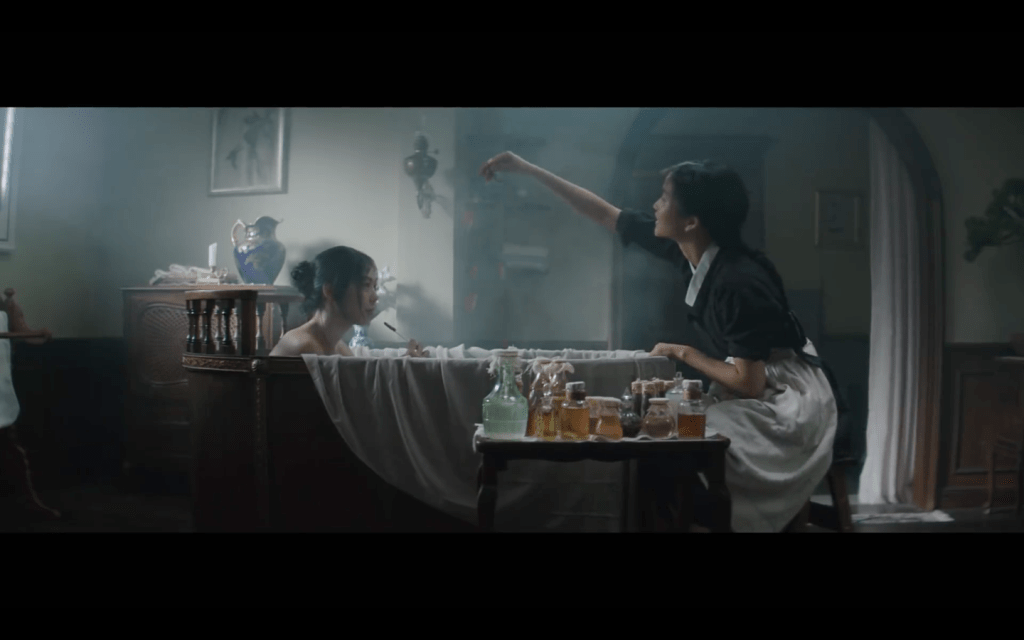
The Handmaiden is one of the most entertaining films of the decade. The story unfolds in ways you did not suspect and features twists and turns like a good old adventure novel. But there is also the beauty of it all: the cinematography, the costumes, the music, the relations between the characters… Plus, it presents a very particular, underrepresented historical period. It is a delight all around.
9. Midsommar (2019), dir. Ari Aster
Midsommar feels like a film tailor-made for me. I love Scandinavia, I love folk horror, I love folk costumes, dark rituals, flowers, and ambiguous storytelling. The film is atmospheric, creepy, wonderfully acted by Florence Pugh (if there is any justice in the world, she would be a frontrunner for a Beat Actress Oscar. Alas…) but it is also, in an odd way, a source of comfort. For me, someone who, and not to get too TMI, feels misunderstood sometimes, seeing Florence’s character’s journey felt like a promise that things might actually get better. I hope they can.
8. You Were Never Really Here (2017), dir. Lynne Ramsay
In 2019 Joaquin Phoenix played a role in a film that became one of the hottest topics in culture – for better or for worse. People said he created an incredible portrayal of a mentally ill person trying to get by in an unsympathetic world. They said that the film was an analysis of the way society treats those on the fringes. I completely disagree and I say: if you want to see Joaquin Phoenix actually dealing with his mental health issues and trauma while battling the cruel world of those in power, watch You Were Never Really Here. It is a violent film about truly horrific things but somehow Lynne Ramsay manages to, ultimately, send a message of hope with her story. And that is something I appreciate more than anything.
7. Marriage Story (2019), dir. Noah Baumbach
Marriage Story was my biggest surprise of 2019. I am not normally drawn to stories about rich, straight, white people suffering because their relationship has gone sour. Maybe it is prejudice, but I just need something more. So why exactly did this portrait of Adam Driver and Scarlett Johansson, a theatre director and an actress shooting a pilot in Los Angeles, who divorce and have to fly (well, he has to) back and forth between New York City and Los Angeles touch me so much? Well, honestly it could have just been two scenes: the one with the knife, which made me throw myself on the couch not sure whether to laugh or cry, but knowing I just witnessed something extraordinary, and the one of Adam Driver singing Being Alive. Could that be considered a cheap trick? Maybe, I do not care. It did make me feel a lot and it did make me appreciate life for what it is. I love the sentiment that just because something ends, does not mean it did not matter.
6. Carol (2015), dir. Todd Haynes
An elegant, tender love story. A beautiful portrait of the 50s, granted, for rich, white women, but for rich, white women who are also gay (and I feel like that changes things, right?). This is something that a lot of Carol critics seemed to not have grasped. This is not an emotionless, loveless romance. This is a romance that remembers what it is, this is a romance that is also a survival story. Carol and Therese love each other dearly but need to keep their guard up because it all may end badly. But it is so incredibly beautiful, the world Todd Haynes created for these women, the costumes, the incredible music, the way they approach each other. And it is now one of the most iconic Christmas films.
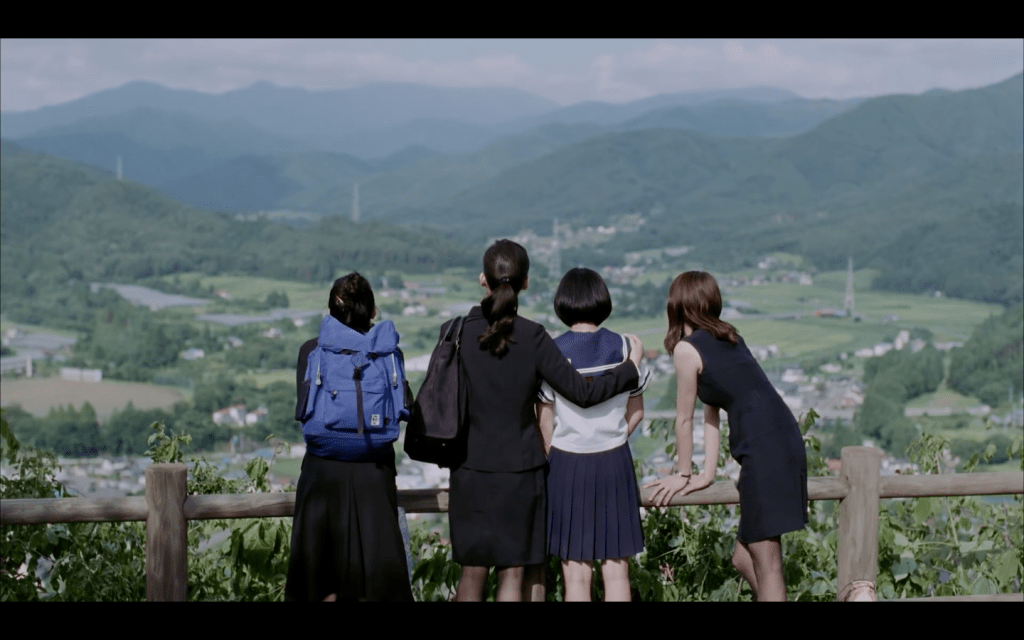
5. Umimachi Diary (2015), dir. Hirokazu Koreeda
It is corny to say things like „why didn’t you include [title] on your list” or „where is Joker?” when discussing other people’s tastes in relation to rankings like this. But I am surprised and disappointed that Hirokazu Koreeda’s Our Little Sister seemed to barely get any love when it came out. And I cannot understand why because to me it was one of the absolutely most beautiful things I have seen in my life.
The story of Our Little Sister is simple: a young girl, after the death of her father, joins her sisters, his daughters from a previous marriage. And you might think some big conflict, drama ensues, but no. The sisters love each other from the start. This film is a collection of tender and gentle moments showcasing the beauty of nature and the simple things in their everyday life. A wonderful gift of a film.
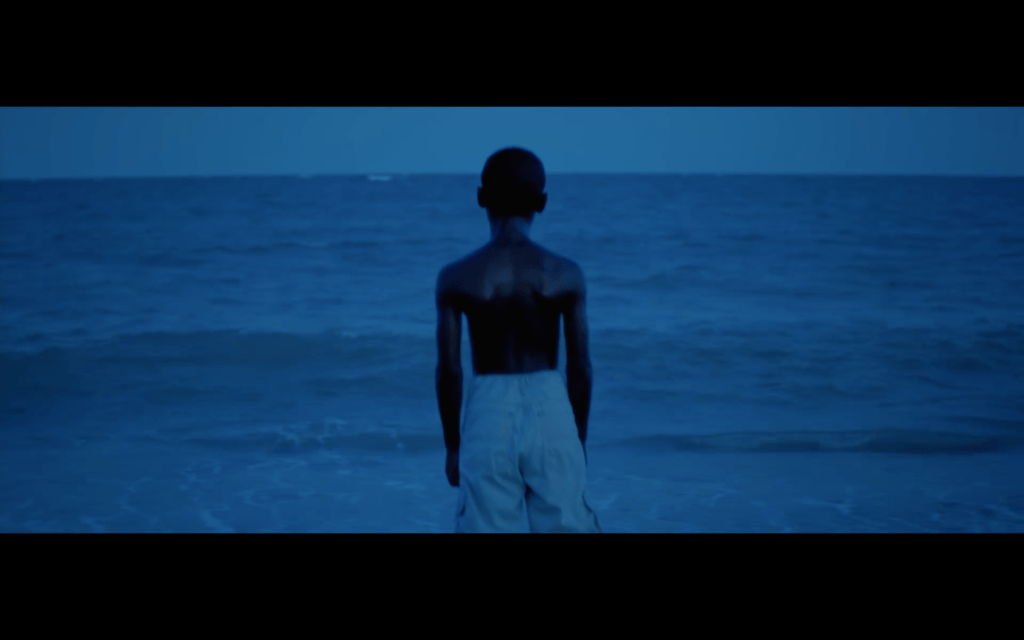
4. Moonlight (2016), dir. Barry Jenkins
One of the most iconic moments of the 2010s was the Oscar mix-up during which the Best Picture award was presented to La La Land (by Faye Dunaway and Warren Beatty, of all people) instead of to the real winner, Moonlight. It was incredible to watch but also, maybe, has taken a bit from the film itself (even I am talking about it now). But Moonlight is so much more and was probably the most deserving Best Picture winner this entire decade. It is a masterpiece of editing and directing and cinematography. It features acting creations like nothing else we have seen these past years – three different actors play the same character (times two!) And somehow they truly feel like the same person. The music is heartbreaking and gorgeous, the colours are beautiful and the story is just so touching and so needed in those trying times. Moonlight seemed to be the one thing that at that one point in Winter 2016/2017 gave us hope for being heard and seen, of a world more inviting and friendlier. It was a beautiful thing.
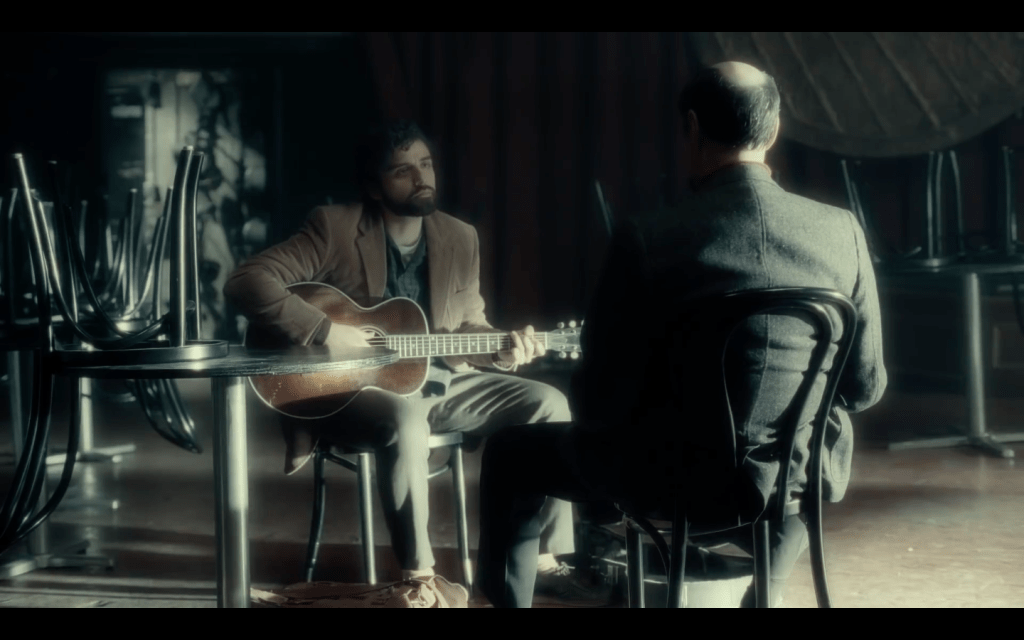
3. Inside Llewyn Davis (2013), dir. Ethan Coen & Joel Coen
If someone would ask me what my musical taste was, I would just tell them to watch Inside Llewyn Davis. Probably the main reason why this film is on my list, and why it is so high, is that it is a love letter to folk music of the 1960s, my favourite music, something that shaped me into who I am, what has been a source of comfort for me for years. And even though I have never been in. Situation remotely similar to that, I can somehow understand how Oscar Isaac feels while wandering New York City.
Inside Llewyn Davis talks of trying despite knowing there is most likely no point, being surrounded by unfriendly, cold place and people. And it shows the desire to make art despite all that. But it is not an inspirational tale of music overcoming any hardships. The Coens allow things to not work out, they allow Llewyn, and us, to be sad. They allow us to be cold and down on our luck. And to find comfort in the music, like I have done for years.
2. Mad Max: Fury Road (2015), dir. George Miller
Is this a boring choice? A safe choice? Is this an „outdated” choice? While I don’t remember it happening, Mad Max: Fury Road seemed to be universally loved when it came out and if something is that hyped, there is bound to be a backlash. But was there? Barely, I think. I do not think there is anything new or interesting you could say about Mad Max: Fury Road to explain adding it to your top-whatever list. There is just nothing like Fury Road when it comes to a wild ride cinematic experience. It was my favourite cinema viewing of the decade because everyone was hyped and people were punching the air whenever something cool happened – and a lot of cool stuff happened.
But in addition to the fun race and explosions and flame-thrower guitars, there is also female empowerment and living with trauma and desperately seeking peace. Oh, and the oppression of the sick and poor but those in power. It is one of the best things I have ever witnessed.
1. Laurence Anyways (2012), dir. Xavier Dolan
My number one is a controversial choice and I do realize that. A story of a trans woman played by a cis man? On a „Best of” list in 2019? Really? That is not something one should be proud of. And I do recognize how harmful it is to tell stories of marginalized communities without the involvement of those communities. And maybe if I watched Laurence Anyways for the first time today this problem would be harder for me to excuse. But for now, I have to be honest with myself and the list: I have not had another film viewing experience like this one this entire decade. Much like Suspense in the 1910s, Laurence Anyways is the only film of these ten years I would consider an absolute masterpiece.
There is just nothing like it and we have had some absolutely gorgeous-looking films this decade. But Laurence Anyways plays with motion, colours, music, and sets to create something of absolute beauty.
And then there are the performances. Suzanne Clément as Laurence’s girlfriend is one of the most incredible acting achievements I have ever seen on film and I revisit the scene of her „meltdown” at a restaurant regularly.
While Laurence’s coming out as a trans woman and her subsequent transition is the main theme driving the plot, it is not really a film about trans issues. The main subject here is love and the end of love, the disintegration of a relationship. It is about trying to go on, desperately holding on to what you know, to what used to be your reality even though the world and everything has changed.
I watched this film when I was eighteen, on one winter afternoon. I was sitting on the floor and taking in all the beauty and all the emotions I saw on the screen. And I remember thinking that this might be one of the most important moments of my life. And it was definitely one of the highlights of my decade.
The decade is coming to an end. The 20s are upon us! Naturally, we look forward to the future but also nostalgically gaze into the past. This is why I have selected my top ten films of the 1910s. This is a very subjective list of films that have somehow touched me, impressed me with something. While compiling it I have realized that when it comes to silent cinema I tend to be a little shallow and focus on the purely visual side of the pictures. But hey, at least that means I have curated a collection of really beautiful films. Here they are.
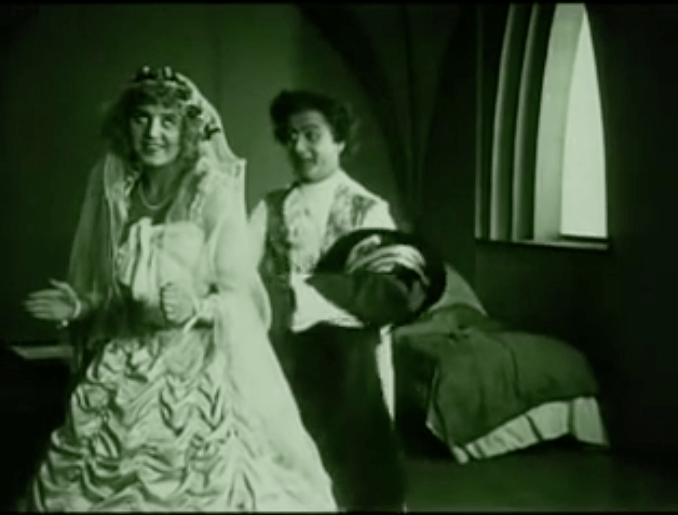
10. Die Puppe (1919), dir. Ernst Lubitsch
Number ten is an early Lubitsch production that I like to refer to as „Méliès fun” – a film with trick and gimmick based humour. It is a story of a king’s nephew, next in line to the throne, who does not want to get married. But! His uncle promises him a large sum of money if he does, so he, naturally, decides to buy a life-sized doll and pretend to marry her. Tragically, a local boy breaks the doll right before, um, her future husband is supposed to take her home. A young woman decides to pretend to be the doll.
The film is a delight. The sheer image of a girl pretending to be a doll tells you it is going to be an exercise in physical comedy and the actress, Ossi Oswalda, is truly charming. Plus, the film has lovely fairytale-like, folk-y aesthetics that make it a visual delight.
9. Bestia (1917), dir. Aleksander Hertz
I found a Polish film to include on the list and one starring one of our most famous exports, Pola Negri, at that.
Pola plays a young girl who is not exactly a good kid, she spends her evenings partying with her friends and basically being as far from a proper lady as possible. After one particularly rough argument with her father she runs away. She also steals her boyfriend’s money and moves to a big city where she works as a model and a dancer and eventually begins an affair with a married man. Drama ensues.
I’ll be honest, a big reason why I like the film might be that I got to see it on the big screen with live accompaniment which was wonderful, but I also cannot ignore the charm of Pola Negri. And this is not the lovely Ossi Oswalda charm, this is a dark sexy femme fatale witchery. And I love it. And yes, the plot is incredibly dramatic but hey, it was the 1910s!
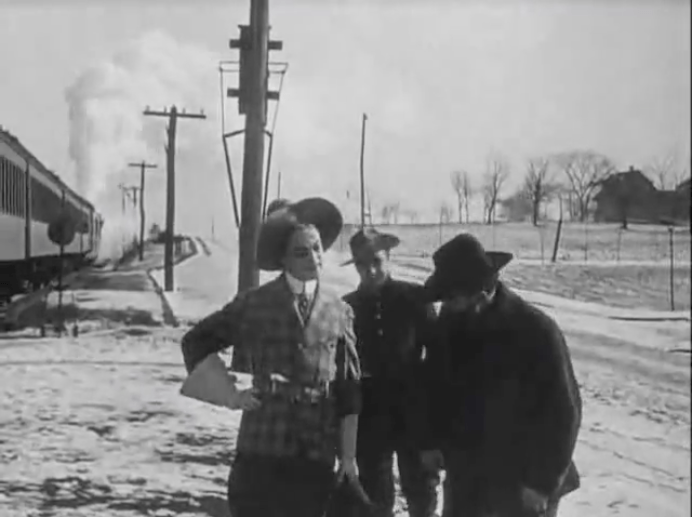
8. Algie, the Miner (1912), dir. Alice Guy
Number eight is one of the most talked about early examples of gay men in the media. Kind of…
Algie the Miner is a story of a young „effeminate” man who travels to a mining town where they are going to make a real man out of him. If he proves himself the father of the girl he likes will allow them to marry.
Yes. The first „gay movie” is about a man trying to marry a woman.
Let’s just say this is not exactly a pinnacle of representation or a completely PC portrayal of a gay man (is he even gay?) but it has some odd charm to it. Algie is funny less because he is „gay” and more because of the classic fish-out-of-the-water scenario. And this is still an example of a very particular brand of masculinity representation at the dawn of cinema.
And what is the most important: the „real men” in Algie the Miner are violent, messy drunks and in the end Algie comes out as the one we appreciate more.
7. Posle smerti (1915), dir. Yevgeny Bauer
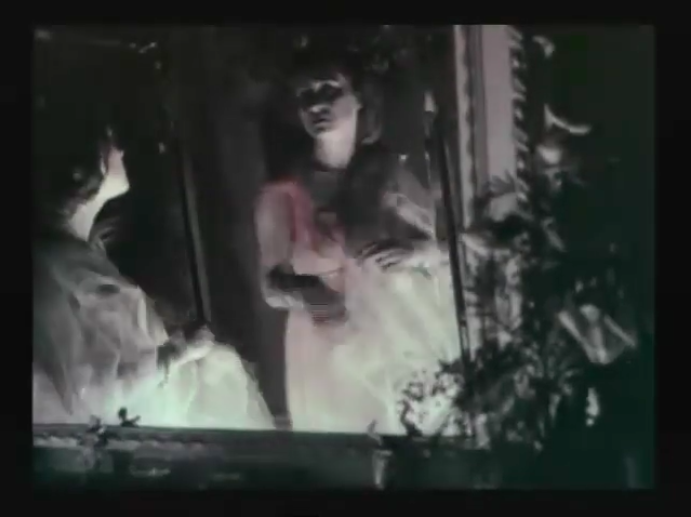
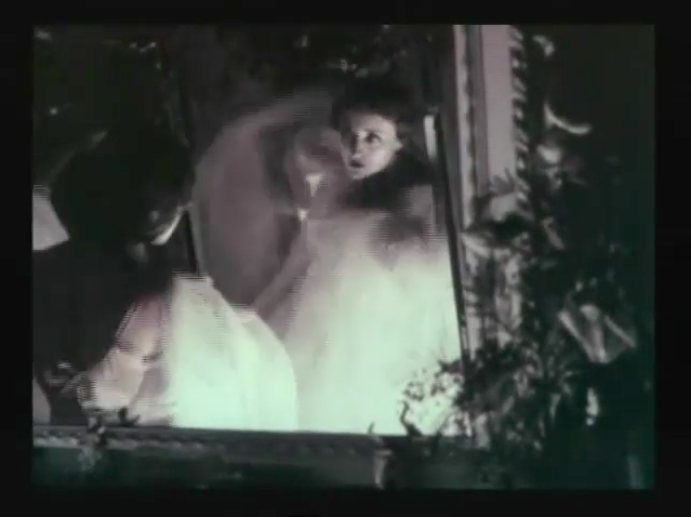
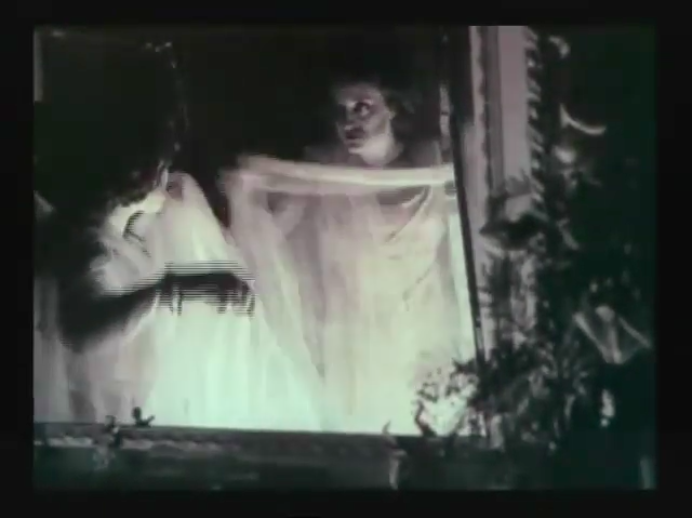
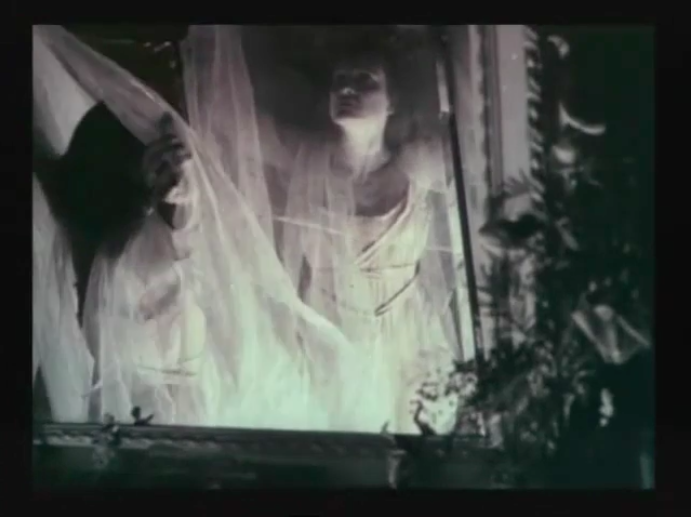
After Death is a Poe-esque Russian tale of obsession and madness. Andrei is an asocial loner who lives with his aunt and spends all his days inside (not that I can relate…). His friend decides to help him (this I actually can’t relate to) and invites him to go see a play with him. Andrei eventually agrees and this decision changes his life. The main actress in the play becomes his obsession and this obsession only becomes stronger after he finds out she died…
The themes explored by Posle smerti are fascinating on their own but to me the film’s strongest element are its visuals. It features beautiful, rich interiors and costumes that truly represent the decadent spirit of the 1910s upper classes. But there are also some wonderful, dreamlike sequences that feel like painitings. It is a gorgeous film.
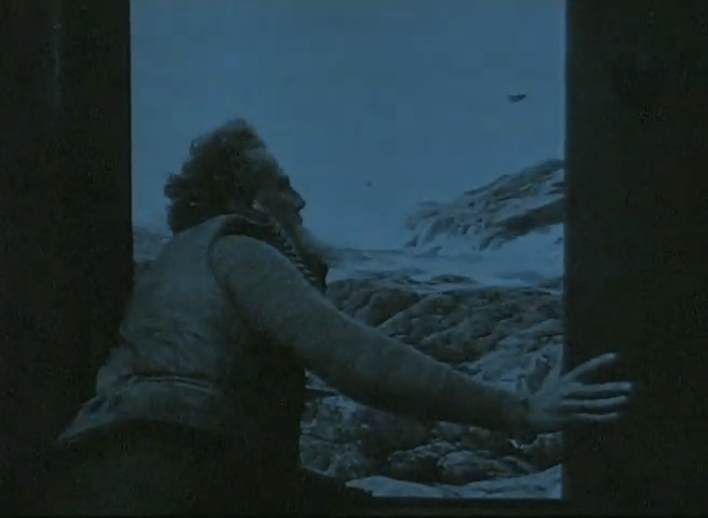
6. Terje Vigen (1917), dir. Victor Sjöström
Or, A Man There Was.
This is a Swedish film not only directed by Victor Sjöström but also starring him in the lead role. It’s a story of a man who was sent to jail for many years while on route to Denmark after leaving his Norwegian house to provide for his family. While he is gone, his wife and daughter die. After his return he leads a solitary life until one day the paths of his and the man who imprisoned him meet again.
I may be biased here because I adore sea films (and books. And music! And art!) and everything nautical, but I think Terje Vigen is a truly gorgeous picture. And by that I mean it is beautiful to look at: the cinematography is truly impressive and looks at times like the best of landscape art. But it is also a rich story of grief and loneliness and what it’s like to lose everything. And it is a study of revenge and moral dilemmas. A great achievement.
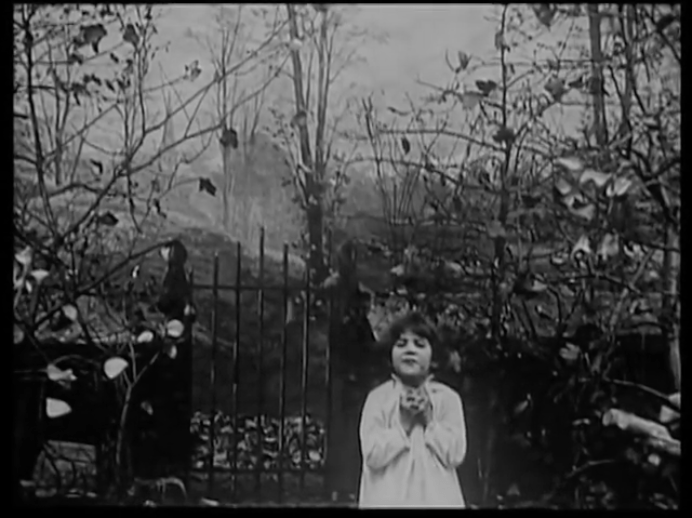
5. Falling Leaves (1912), dir. Alice Guy
Falling Leaves might be one of the most touching and tearjerker-y silent films (of ALL the silent films). It is a short story of a family with two daughters. The older daughter becomes ill and the doctor who treats her says that she will be dead when „all the leaves fall off the trees”.
And pretty much the entire reason why this film is on the list, and why it is so high on it, is one visual: the younger daughter tying the fallen leaves back to the trees so that her sister doesn’t die. I will not accept anyone saying this is a cheesy premise and a manipulative filmmaking. I truly do not care, I consider it one of the most beautiful and tender images in film history.
4. Anders als die Andern (1919), dir. Richard Oswald
Maybe calling Algie the Miner a gay movie was reaching a bit but it definitely has the subtext. Different from the Others is, well, I’m just going to say this, openly gay. This movie is literally a hundred years old and it flat out states that homosexuality is natural and should absolutely be accepted. And it approaches men who live in self-hatred because of their sexual orientation with sensitivity and understanding.
Granted, this film is still a product of its time so it’s not a happy tale and it does prominently feature the torment and suffering caused by unaccepting, hostile, bigoted society. But it is an incredibly important thing and a perfect thing to throw in faces of people who claim that gay people are a „product” of modern times.
3. Umirayushchii Lebed (1917), dir. Yevgeni Bauer
The second Russian film on the list also includes passion and art and is also visually stunning. Plus, it is ALSO directed by Yevgeni Bauer and it stars Vera Karalli. Just like After Death.
A young woman, Gizella, meets a man by the lake and she falls for him. They begin seeing each other and she truly believes they are meant to be together. So when she sees him with another woman, her heart is broken.
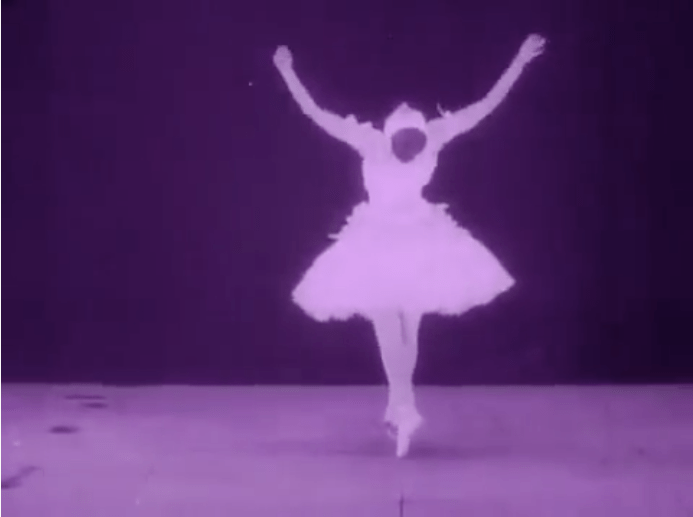
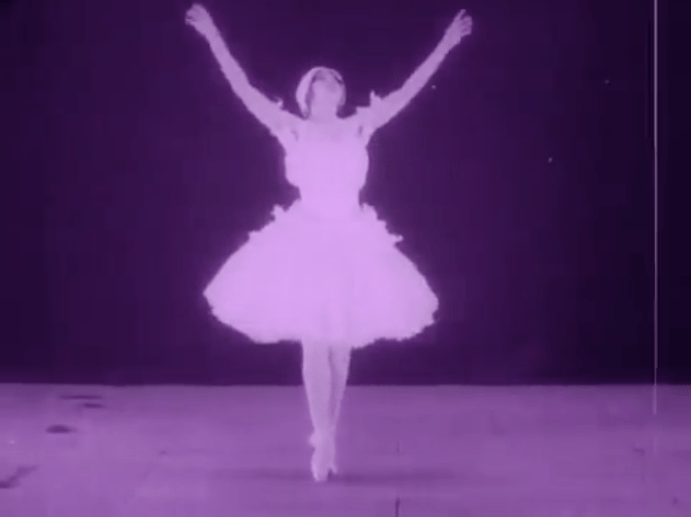
What can bring Gizella comfort is her love of dance. Dancing is the most important thing in her life, her „entire soul”. When she dances The Dying Swan she enchants a man (sounds familiar?). He is a painter who has been looking for a visual representation of death and he feels that he finally found it in Gizella.
Dancing in the film equals death, Gizella’s solo as The Dying Swan is both minimalistic and incredibly impressive, it does look like dying. But dance is also life because it is what awakens all the emotions both in her and in the painter.
This film uses visuals, movement, color (color tints were used in two key scenes) to represent the purest beauty.
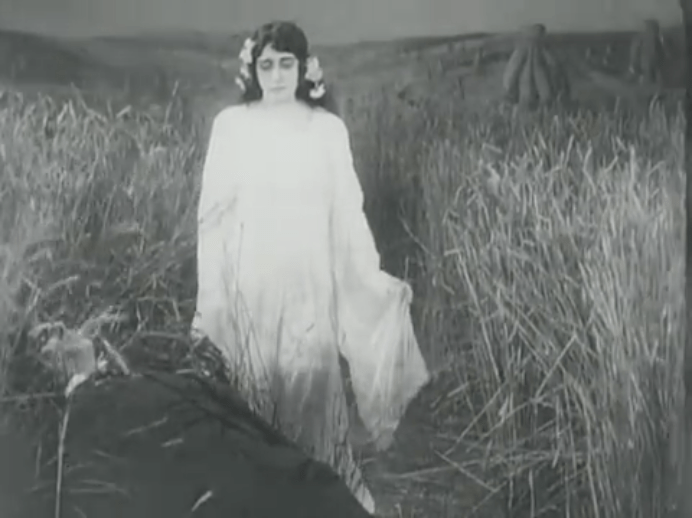
2. Rapsodia satánica (1915), dir. Nino Oxilia
At the end of the day, the fastest way to my heart is through weirdness and spooky stuff. And Rapsodia satánica is a pure, classic scary story dressed in beautiful visuals (yes. I know that I keep going on and on about visuals and how beautiful all those films are but I can’t help it. This is something I love seeing).
An old lady living in a huge castle, wallowing in her sadness, is visited one night by the devil himself, Mefisto. He offers her a deal: he is going to give her her beauty back but she has to give up love. It is basically, kind of a female version of Faust (something something ruined childhood something something).
Lyda Borelli plays the main character and she is truly a vision. Her face is expressive (those eyes!), she is a dreamlike presence in a dreamlike setting. I am now realizing that there are several films on that list that are vehicles for early female stars and this one gives Borelli a lot of opportunities to truly be a movie star. The film uses her physique along with the play of light and the creepy visuals to create something incredibly atmospheric. Mefisto appears in red, again we have some clever color manipulation which adds to the visual storytelling.
Rapsodia satánica is a scary and sad look at youth and love and life and how it all truly is but a dream.
1. Suspense (1913), dir. Lois Weber & Phillips Smalley
There was only one possible film I could put in first place of the list. There is one particular film from the decade I consider an absolute masterpiece. Lois Weber’s Suspense is, in my opinion, the most impressive and important achievement o the cinema of the 1910s.
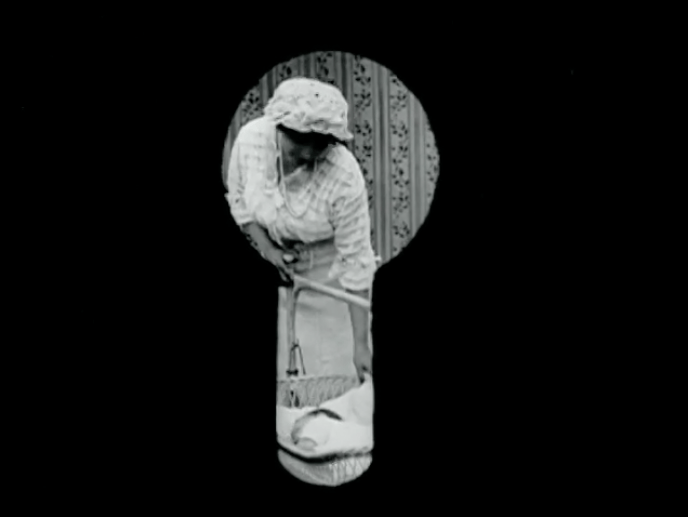
A story is simple: a mother and her baby stay home alone while the husband/father is at work. What would be a regular day, though, is disturbed by a hobo lurking around the house. When he knows that the woman is by herself, he attempts to break in. She needs to hide out, protect her baby, and get her husband to come up with help.
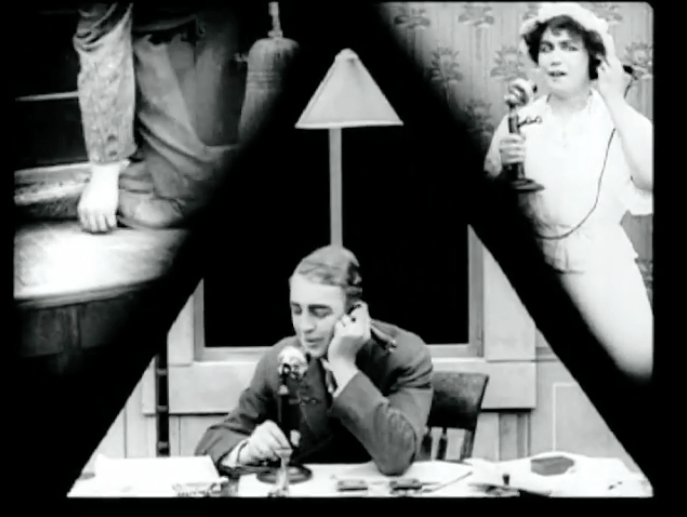
This might seem like a laughably simple plot, especially when compared to rich themes of Terje Vigen or Posle smerti. Maybe it seems strange that this is the film I deem the best. But what Suspense achieves in such a simple plot, such a short time, is incredible. The title of the film could not have been more accurate. This could be one of the most suspenseful film in cinema history. You are on the edge of your seat, when you’re waiting to see whether the help will arrive in time, when you’re seeing the intruder getting closer and closer to the woman – closer to the camera! And the stalking of the woman and the child is shown masterfully, through a literal keyhole.
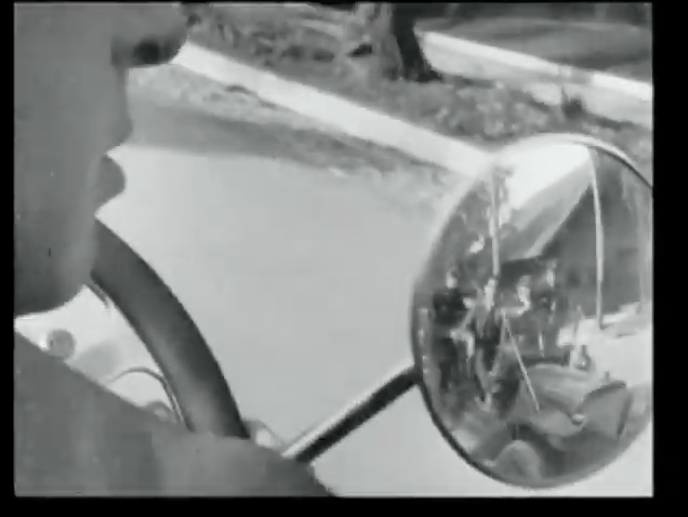
And then there is the car chase. The car chase to end all car chase scenes in the future. The race with the time, the vehicle shown in the car mirror. It’s perfect.
And the split screen!!!! It’s 1913!!!!
Suspense is such a fully realized film, where everything has its purpose, where each element adds to the story. It is what I would call a skillful filmmaking creating something perfect.
What a decade! I can’t want to see what the 20s have in store for us!
Noirvember is coming to a close. It was a weird one over here, with half of the films I featured on the blog barely being qualifying as actual noirs (and the most iconic film this year was definitely not a noir). And today, the finale, is probably the least noir-y of them all and just one look at the title, even for those who have not seen the film could tell you all you have to know.
We’re ending Noirvember with a Sherlock Holmes story.
Yes.
(On the brighter side, I won NaNoWriMo! My first one!)
But let’s get back to the movies…
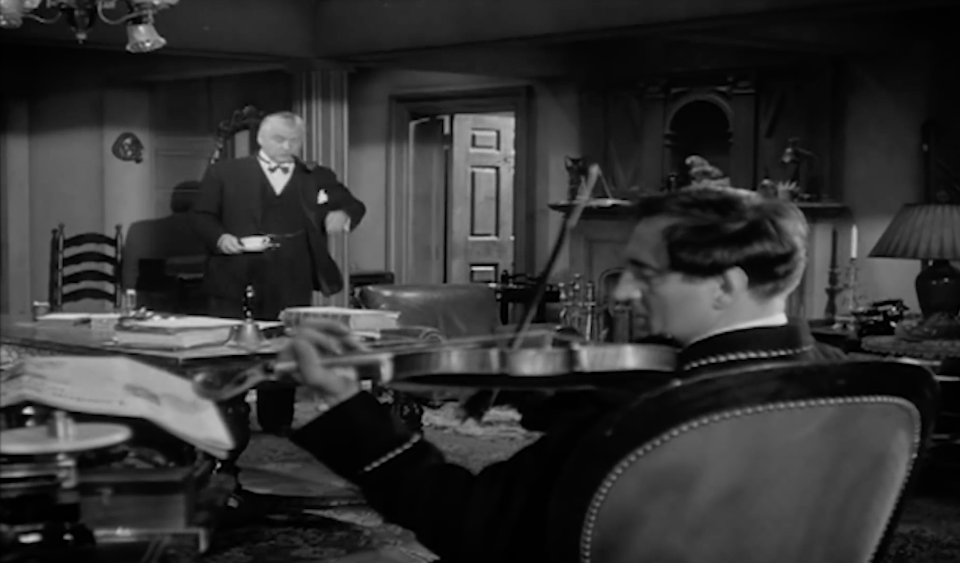
Sherlock Holmes and John Watson in this adaptation are played by Basil Rathbone and Nigel Bruce. This duo made fourteen films as the characters (this is the third one).
It’s set during… World War II. In the beginning Holmes and Watson are referred to as „ageless” which is the excuse for setting the story decades after the canon. And I don’t mind. After all, he closest thing to „my” Sherlock is the BBC Benedict Cumberbatch one.
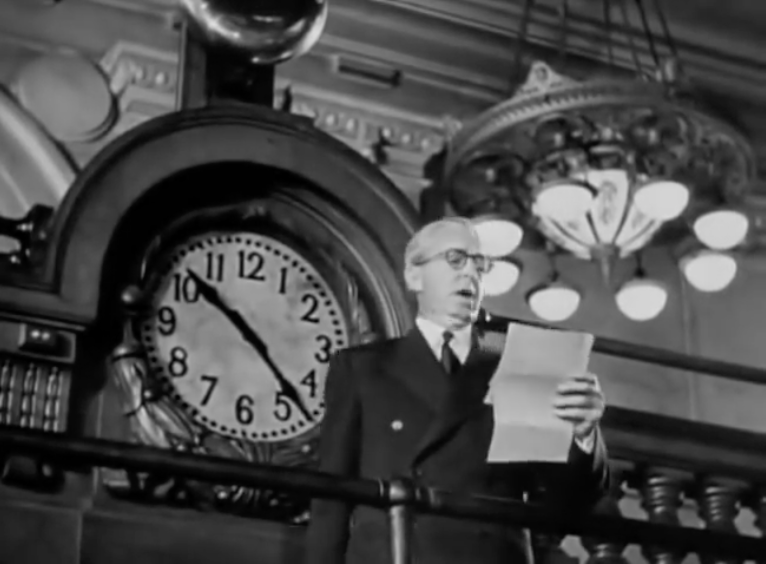
The titular „voice of terror” is the voice coming on the radio waves from Germany, voice of the nazis threatening Great Britain. They claim to have a secret operation going on in Britain. And Holmes is hired to help stop them.
Noir?
There is a female character, played by Evelyn Ankers, an inspiring woman giving speeches about the importance of fighting for their country. She is the widow of a man killed during the operation. After meeting Holmes and Watson she becomes part of the fight herself and ends up being pretty much the hero of the story.
This story did not need to feature Sherlock Holmes but I guess the story itself was not enough to stand on its own.
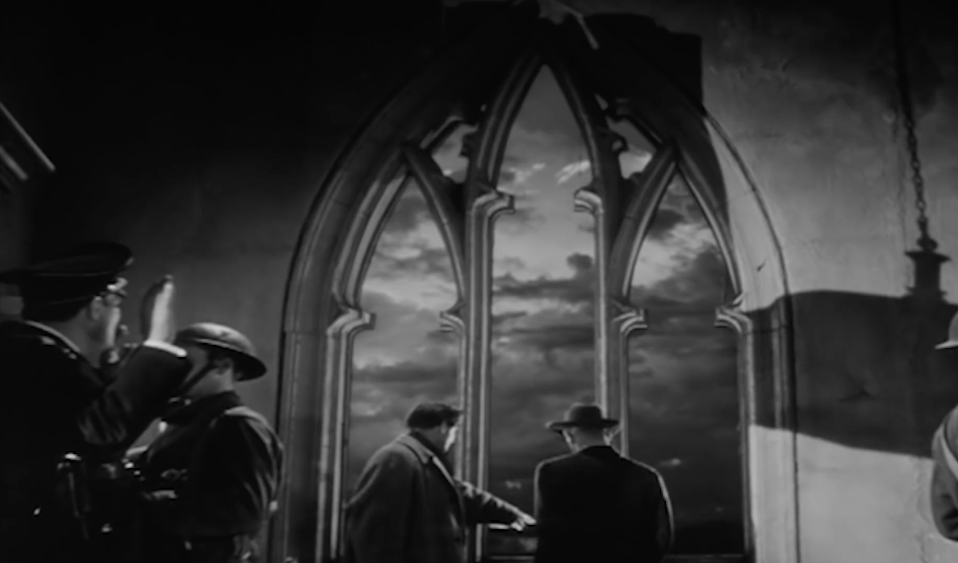
There is something incredibly sad about the juxtaposition of England during wartime, the raided, wounded country with one of the land’s most legendary characters. Despite the flaws of the film the final shot of Holmes and Watson standing among the ruins feels really profound.
Today’s film features none other than Tyrone Power, a star I have complicated feelings about but that’s a story for another day.
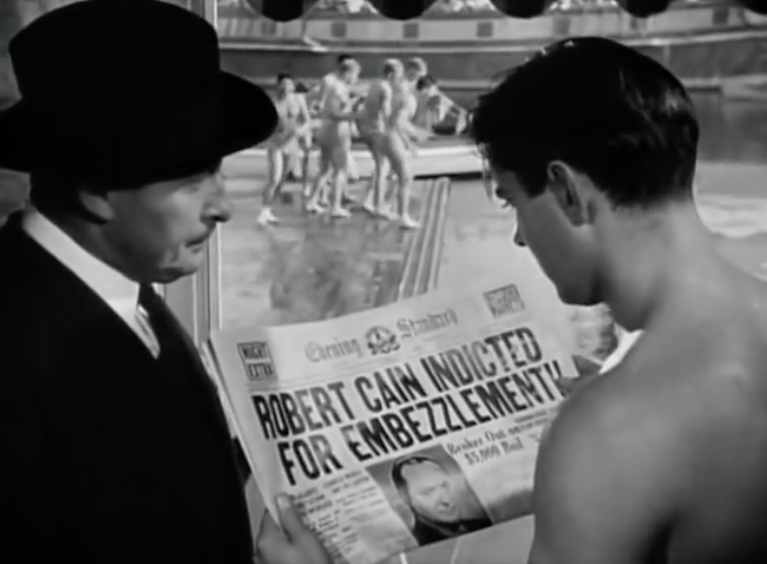
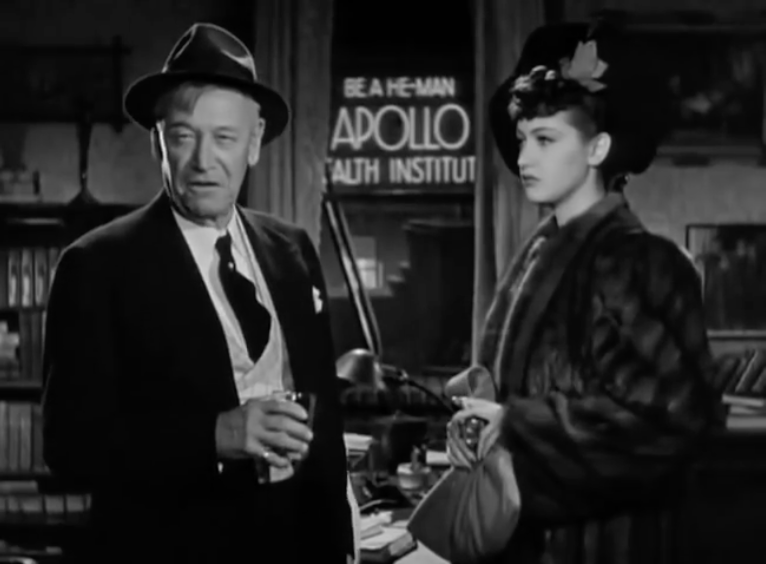
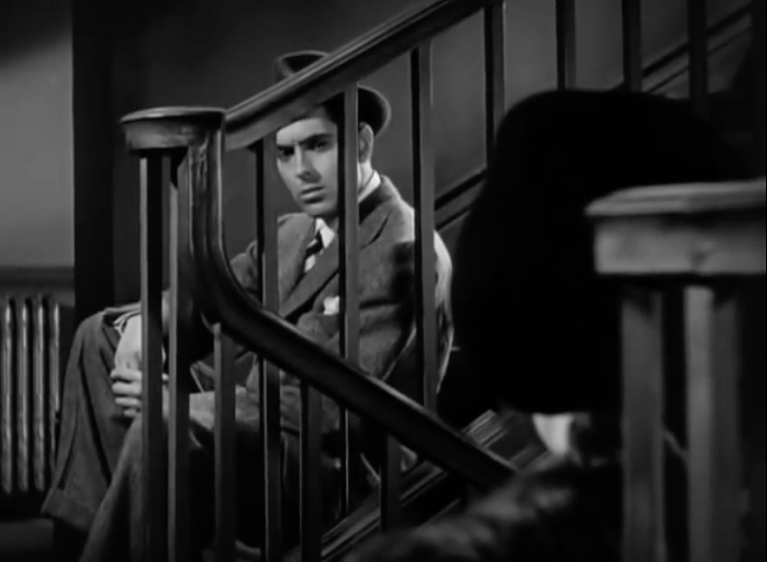
Power plays the son of a stockbroker jailed for embezzlement. Because of this disgrace, Tyrone can’t find a job anywhere – his name is essentially tainted. So, naturally, he changes it – to Johnny Apollo (hey! That’s the name of the movie!). But the job he gets is not that of a store clerk or a bank teller, no. He turns to the life of crime, and he is going to buy a pardon for his father. As fate would have it, his employer is a gangster sentenced to jail on the same day as Tyrone’s father, only he has already been granted parole…
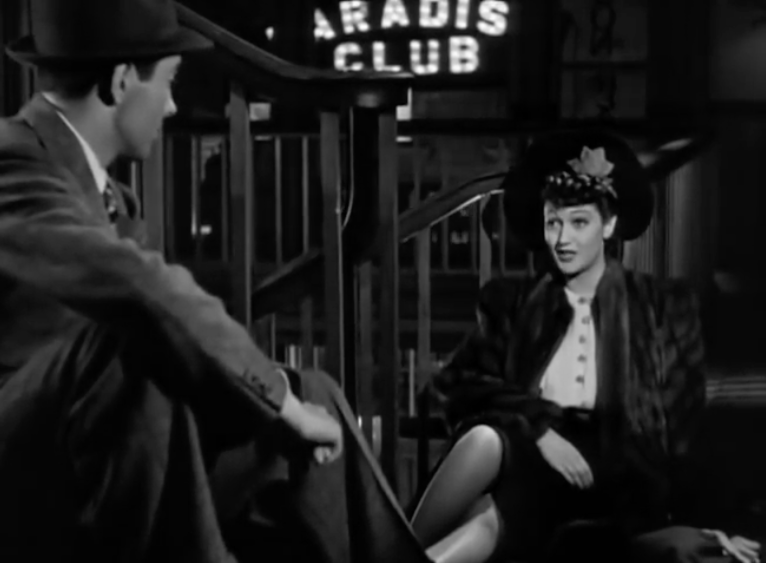
And obviously it all has to be complicated even further when the gangster’s girlfriend and Power start developing feelings for each other…
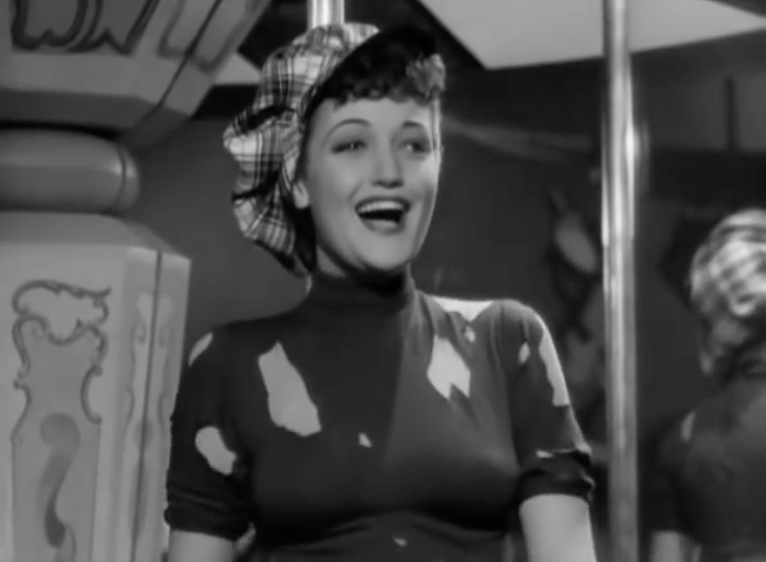
This might not be your traditional noir (again! What is going on with my film selection this year!), it’s only 1940 after all, but it does feature my favourite noir trope – a nightclub and a nightclub singer (Dorothy Lamour, the gangster’s girlfriend, later Tyrone Power’s girlfriend). What it does not feature is, oddly enough, crime. Almost all of the horrific things Tyrone and his new gangster buddies allegedly do happen off-screen.
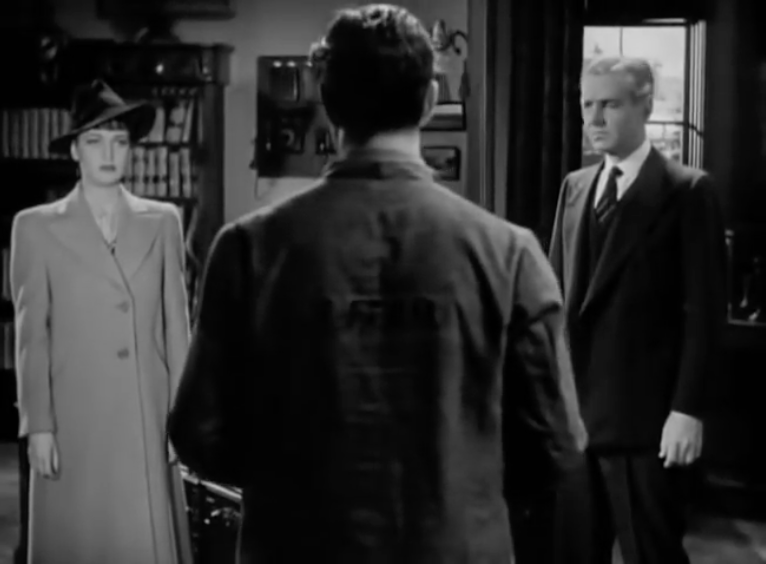
For the second film in a row we’re getting good cinematography. I wouldn’t say it’s quite on TheWrong Man level but especially the actors themselves look beautiful here. I enjoyed most of the cast… except probably Tyrone Power himself. He didn’t necessarily bother me but I do not think he is convincing enough as a fresh-faced college boy thrown into the „real world” – and he is definitely not a gangster either.
I suppose that Johnny Apollo’s main goal is to show how people, even good people, might be pushed into desperate measures but I don’t quite believe it manages to do that. What I got is a pleasant enough story of rich people making bad decisions. And I have enough of that in the real world already.
We have an Alfred Hitchcock Noirvember film! At the beginning of all those entries I mentioned who directed each movie and what other works of theirs I have seen before. But I think this time there’s no need for that.
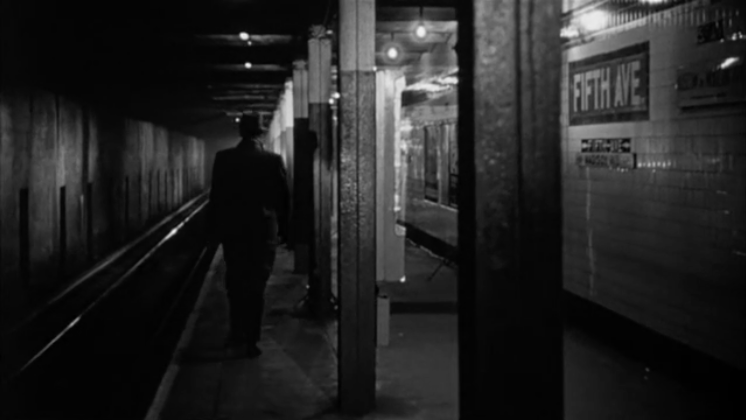
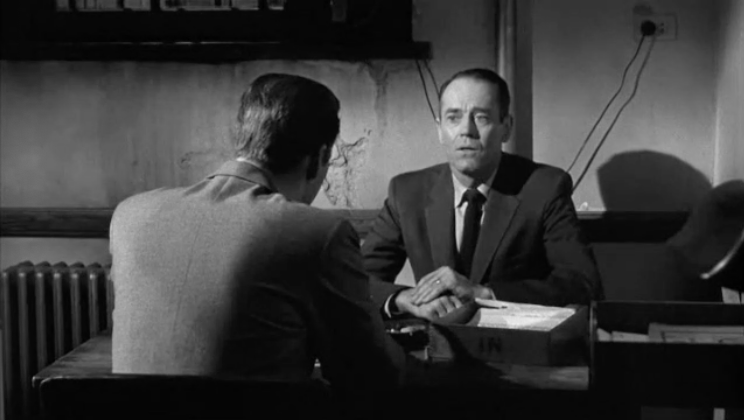
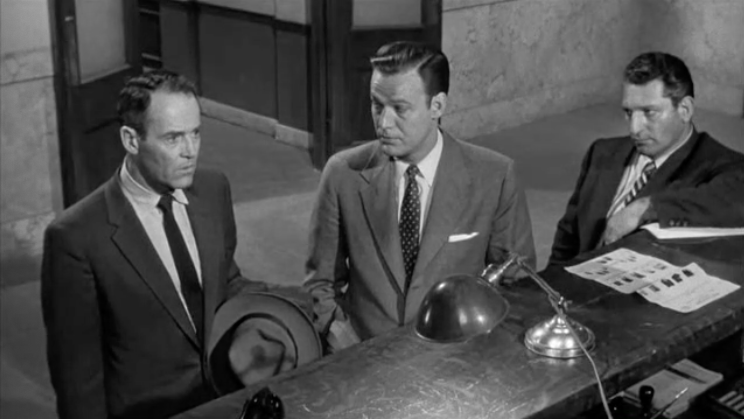
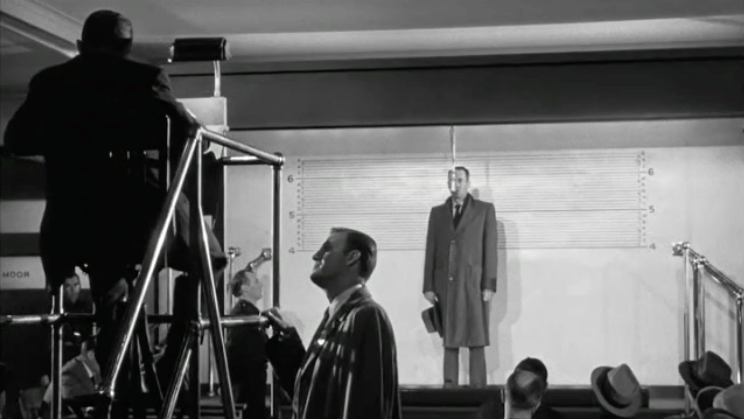
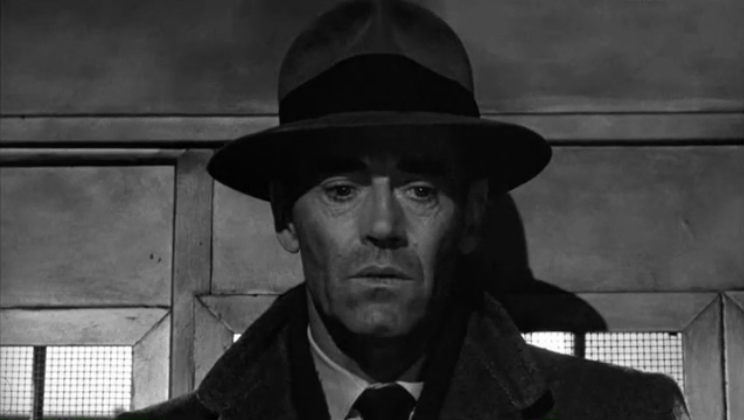
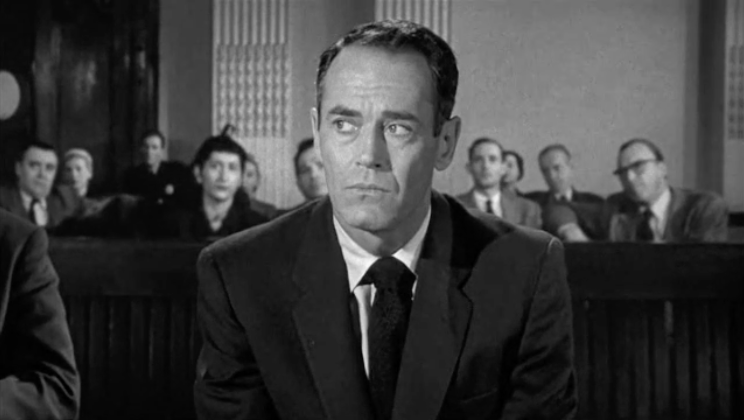
Alfred Hitchcock himself shows up as the film starts, or rather, we hear his voice which announces that the plot is based on a true story. Christopher Balestrero, played by Henry Fonda, is identified by an insurance company worker (he goes to the company to try to get the money for a dentist visit for his wife) as a robber who stole from them not long ago. Sounds familiar? He is subsequently arrested for assault and robbery.
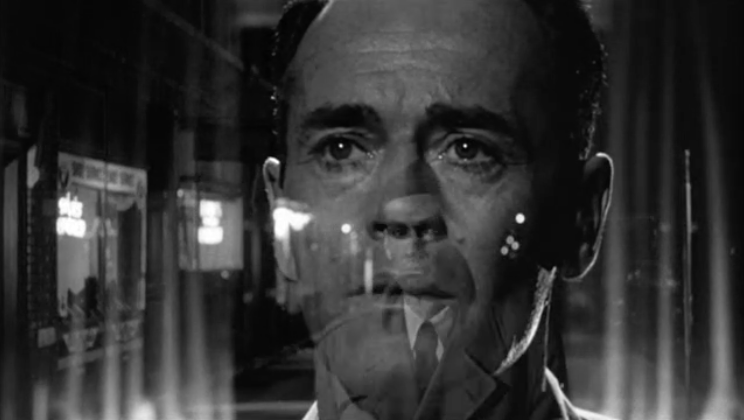
All the previous Noirvember films I watched this year have been very low budget, often literally Poverty Row pictures so the first very obvious thing I noticed in The Wrong Man was how expensive it looked. There were actual elaborate sets and tons of extras and locations. It is a great film to look at.
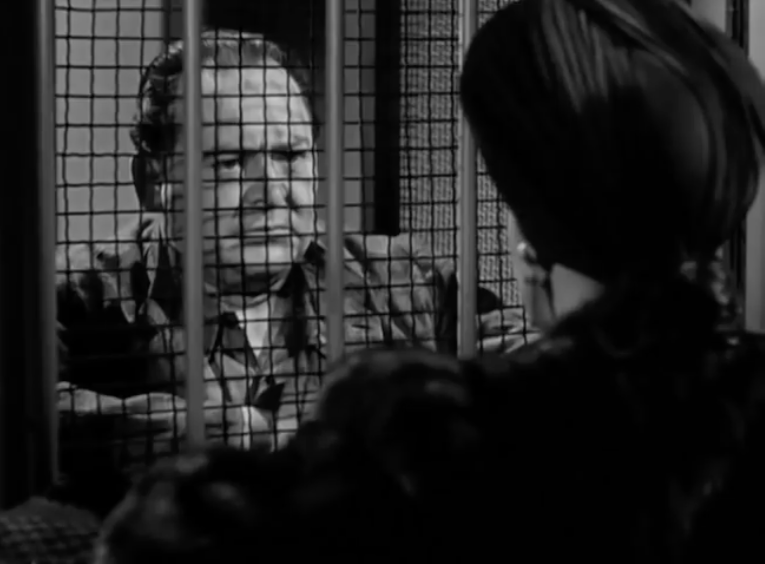
The film goes beyond a noir-ish story of a crime and the dark underbelly of a city, with a nightclub involved, of course (Fonda is a musician). It explores family problems caused by Balestrero’s situation, and in the second half of the film it becomes a court drama. And it is truly suspenseful: Hitchcock apparently omitted elements from the true case that could make the question of whether Fonda’s character is guilty or not less obvious. And it makes us wonder if we are safe ourselves, or if one day, even if we do not do anything wrong, something will happen. Fonda is great in the film, I always appreciate his melancholic approach to his roles. Overall, The Wrong Man is so much better than Whispering Footsteps.
Fun fact: Harry Dean Stanton (RIP) appears in the film
NaNoWriMo has been pretty hard for me these past few days so the next entry in the Noirvember series is going to be a two-in-one.
The first film is the 1947 The Arnelo Affair directed by Arch Oboler and it is the first film of his I’ve seen.
We begin in a car, where a man and a woman are driving ahead. She seems very sad, startled by something. The man immediately feels shady to the viewers, and their suspicions become confirmed, in a way, when she says: „You killed her…” She says she’s going to go to the police but the man won’t let her go.
The story is told to us through flashbacks. We learn that the lady (played by Frances Gifford) was once a happy wife of a rich gentleman with whom she has a son. Then, things get complicated when she starts feeling neglected and begins seeing a nightclub owner, Tony Arnelo (that’s the name of the movie!).
Sadly, they do not get complicated enough since The Arnelo Affair quickly turns out to be a pretty boring drama about rich people rather than a compelling noir. The worst offense of the film, though, is that it features Eve Arden and underutilizes her (unacceptable).
Whispering Footsteps (1943), the second film, starts in a bank where a quirky lady wants to open an account. She looks like Joan Fontaine or Jodie Whittaker. It all seems very pleasant and relaxing. Too bad soon things turn sinister when the bank clerk becomes a suspect in an investigation of a killer, someone who murdered two girls. And he does not have an alibi…
The film was directed by Howard Bretherton. The only other film of his I have seen is 1933 Ladies They Talk About, an early Barbara Stanwyck vehicle I do not remember at all. And to be honest I can barely remember Whispering Footsteps already. That is a review in itself.
I guess it’s a good thing I paired those two films together. Sadly, they did not leave an impression on me and I won’t even attempt writing more. Too bad.
On the other hand, and this has nothing to do with Noirvember but since the season of catching up with the year’s releases is upon us: I just watched Dolemite is My Name and it was a delight! Highly recommend for those who want to see some Hollywood history presented in truly the most fun way.
We’re halfway through Noirvember now and once again we find ourselves with a story of espionage.
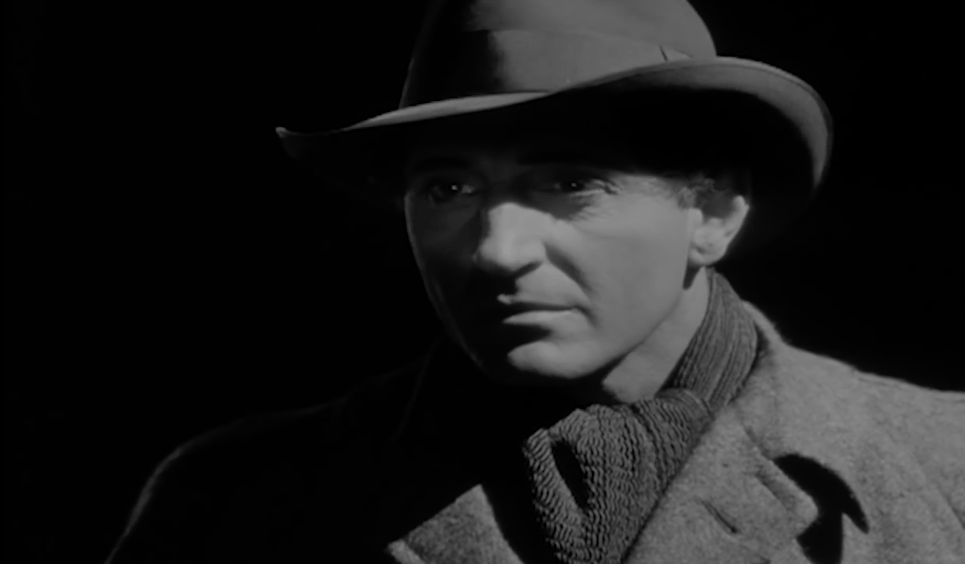
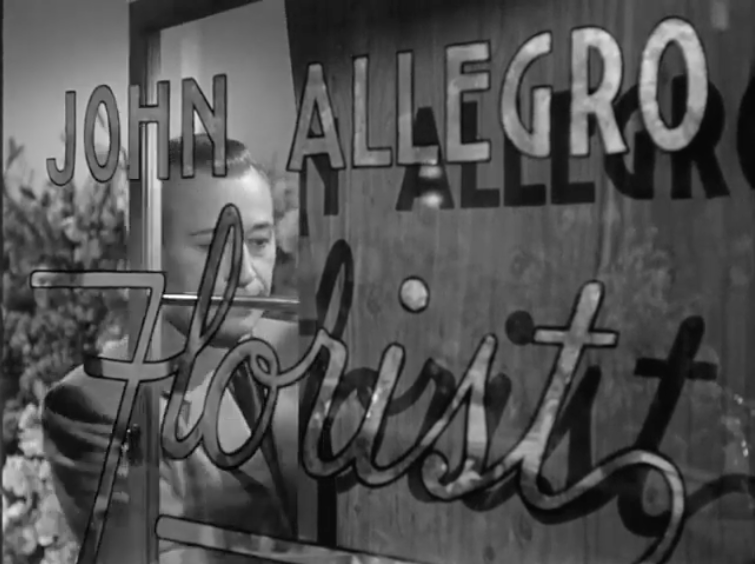
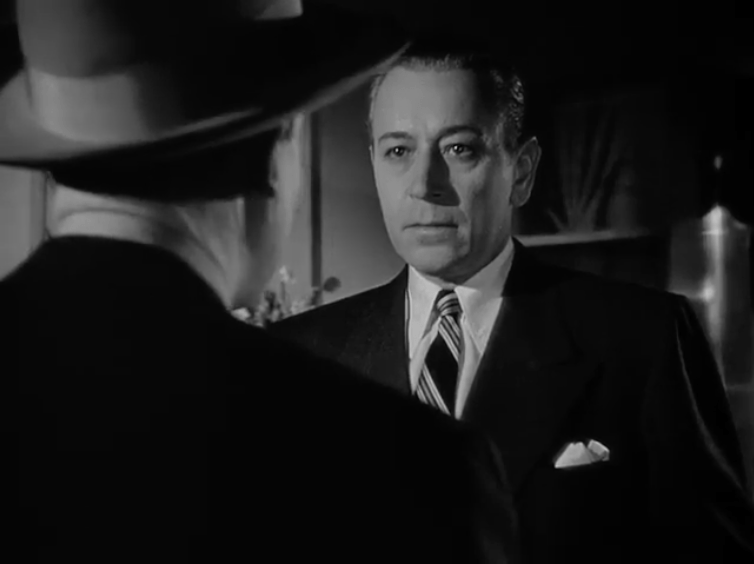
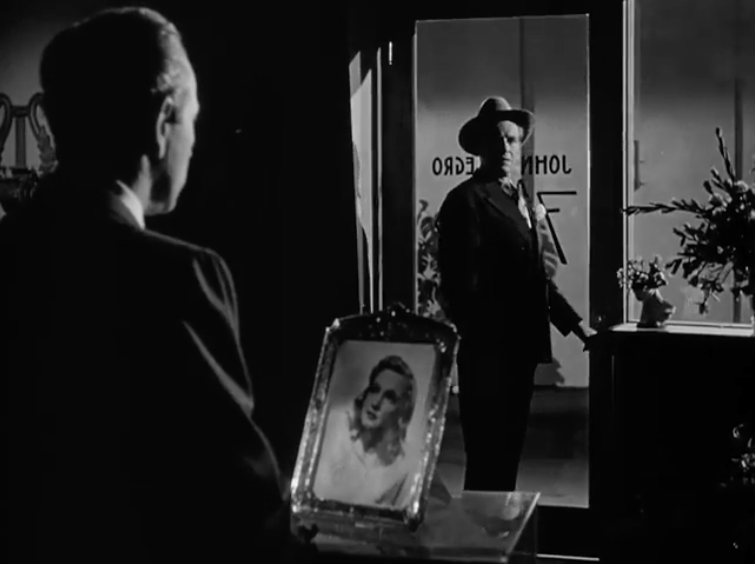
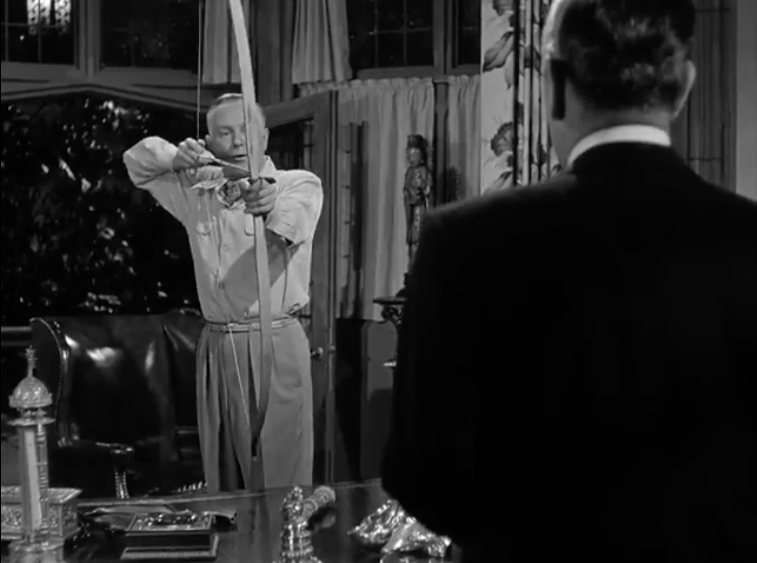
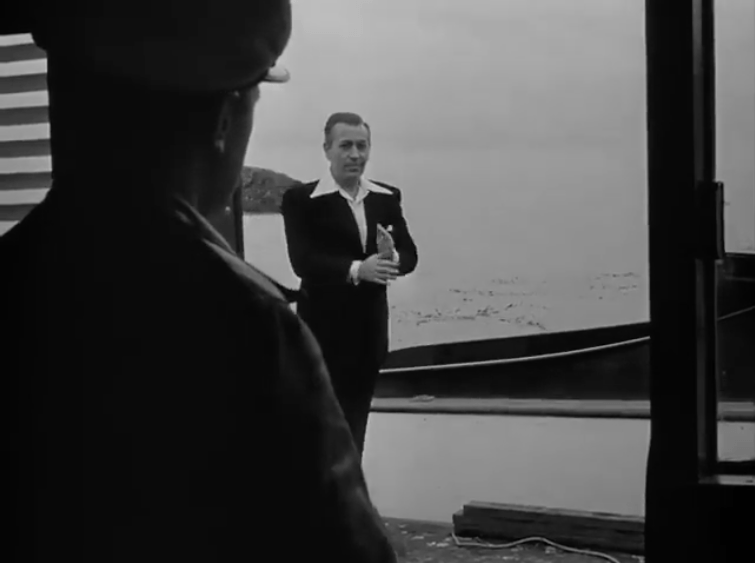
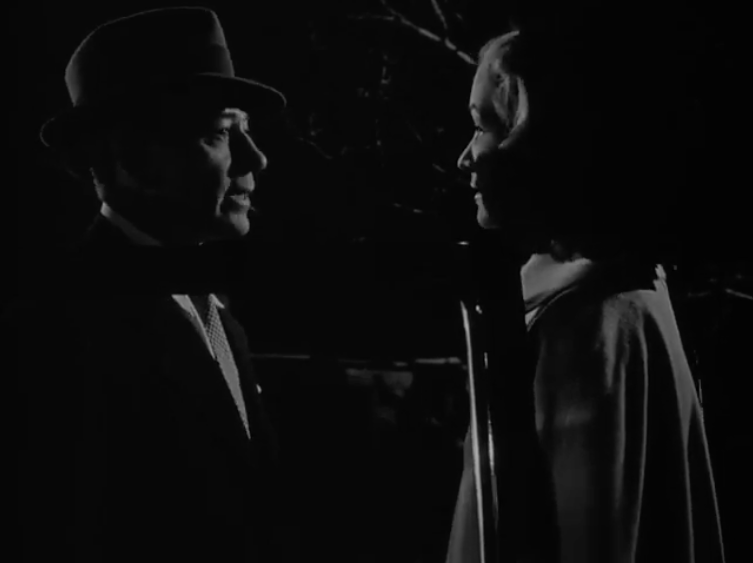
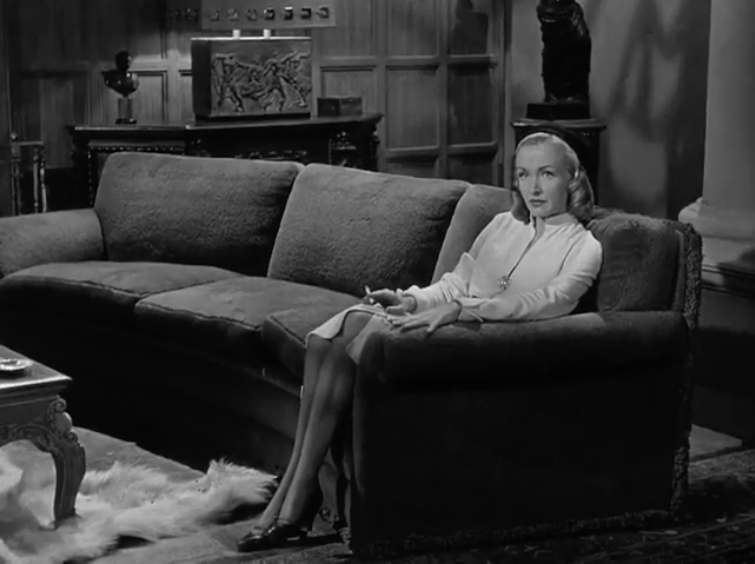
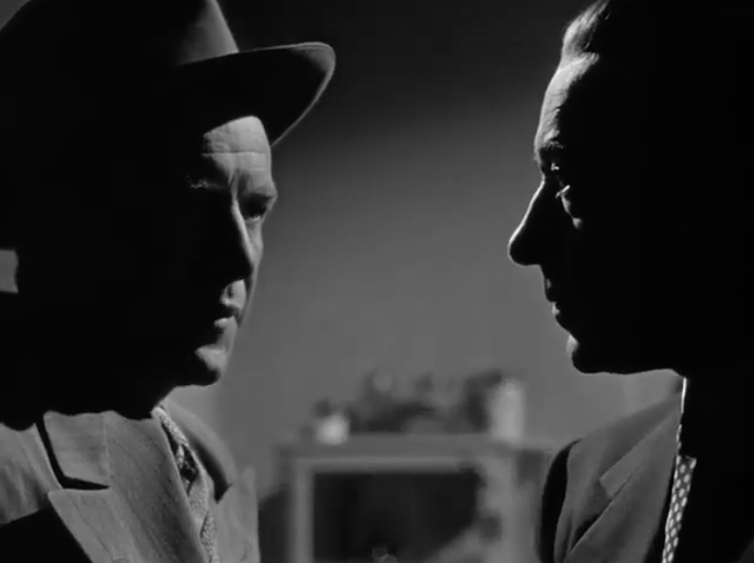
George Raft plays the main role in Johnny Allegro – John Allegro, a florist, former soldier. A soldier is only a part of it, though – he is a real war hero. Oh, he is also a former criminal who did time in Sing Sing. He has led an interesting life. But his current, florist life is less terrifying, less tumultuous, it is pretty pleasant, actually. That is, until a shady man appears and wants to make a deal. Treasury Department wants him to work (spy) for them and expose a wanted criminal. And maybe get his difficult past dealt with once and for all.
I do not feel like there is a lot to say about the plot of Johnny Allegro that would be more intriguing than those three words: hunting for humans. And honestly, I do not really think that a film like this should have this gimmick be the most recognizable thing about it but sadly the action itself is not that enjoyable. And I do not want to be mean but George Raft is not exactly a dashing presence. He is a good actor but not much of a Leading Man.
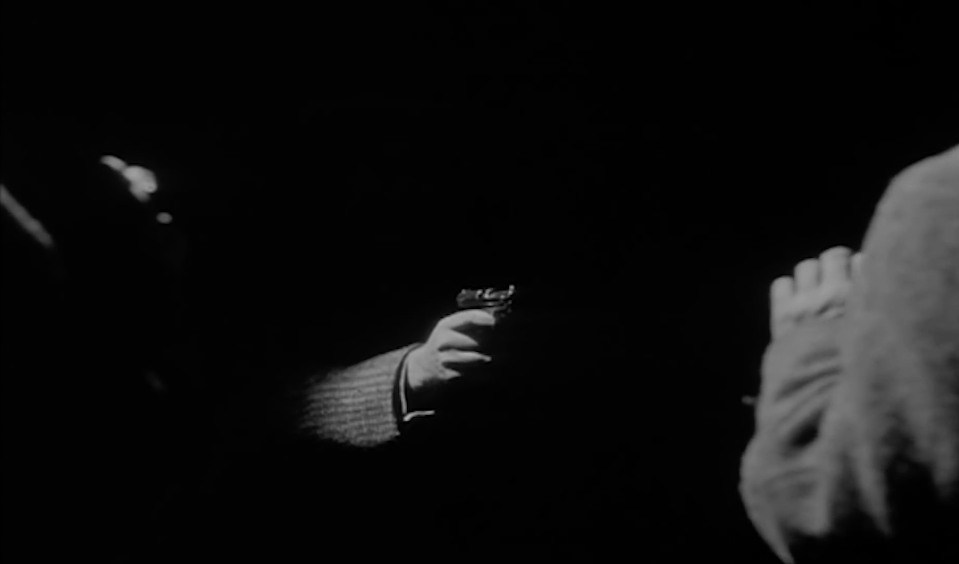
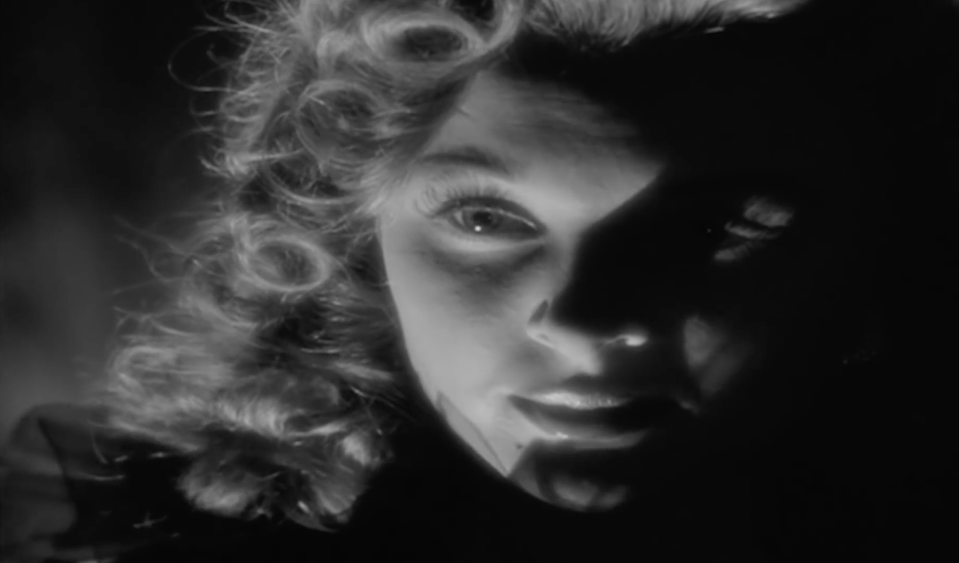
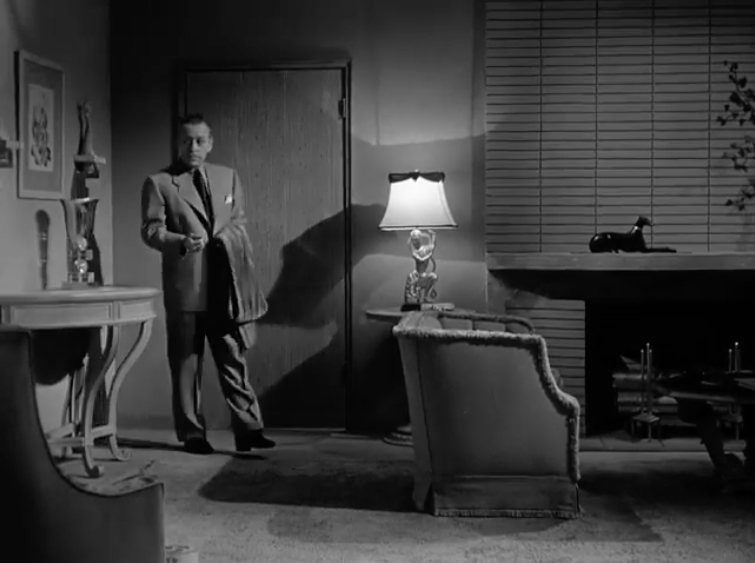
I loved the music: it was rich, dramatic, and moody. It has some nice production design, too. But what I loved most was the noir cinematography: this month all I want to see are shadows and if anything, the shadows of Johnny Allegro are atmospheric and gorgeous.


 Swingin' at the Seance