My Sin (1931)

And here we are: Summer Under the Stars 2021 is over. As did this entire year, it passed so quickly, but also it feels as it overstayed its welcome, when I look outside my window and see the grey sky and the rain and when I have to put on my sweater because of how cold it is. It was kind of a nothing month — nothing awful, but not the summertime of my dreams.
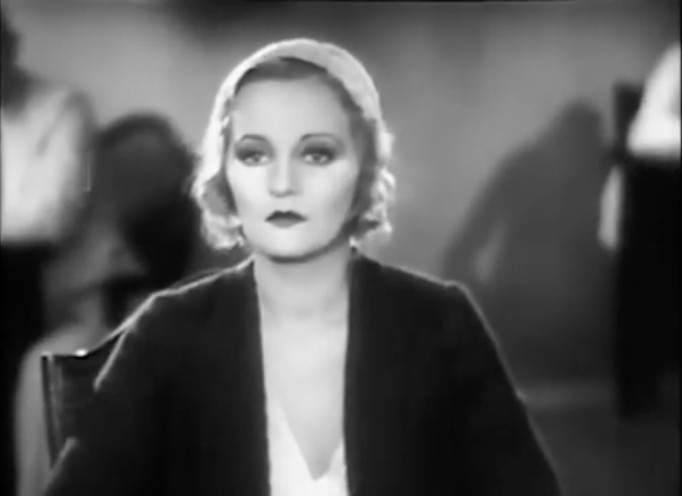
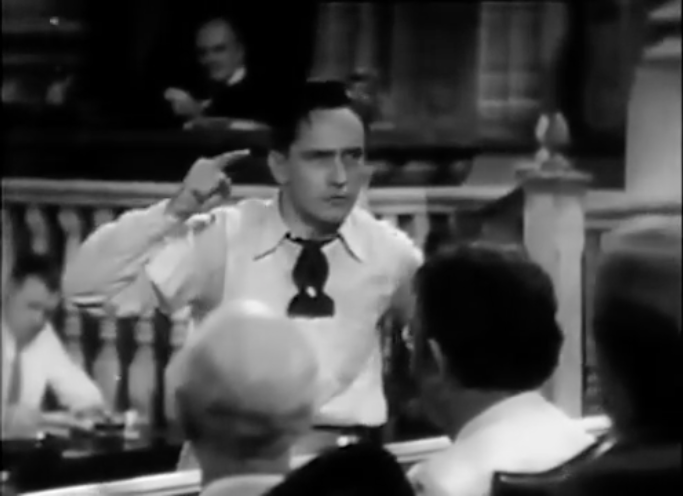
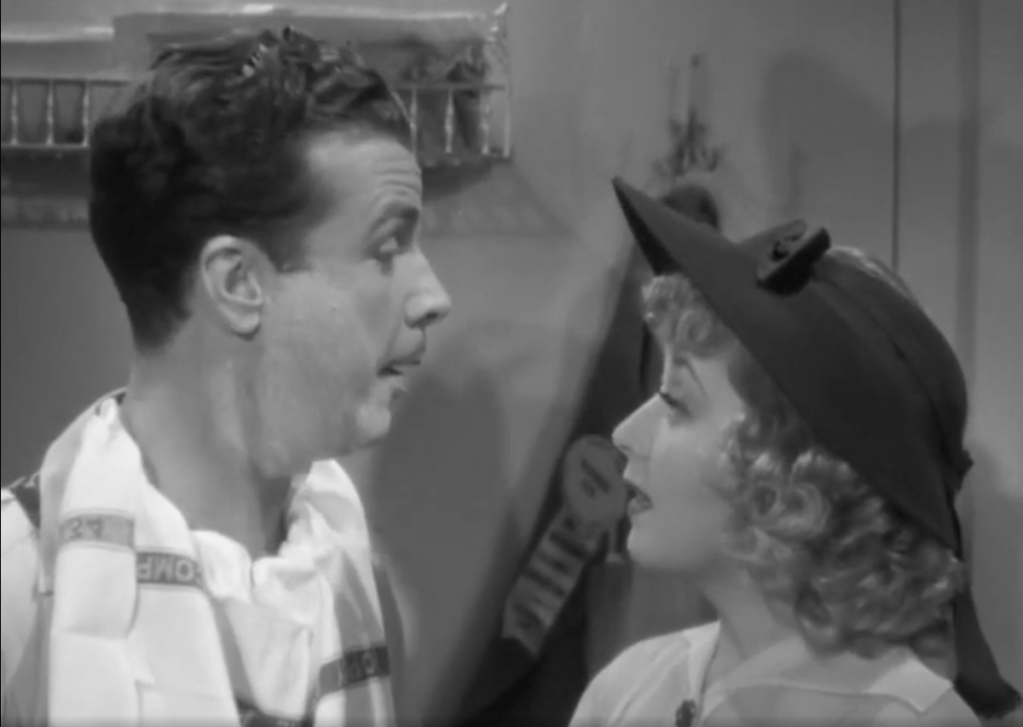
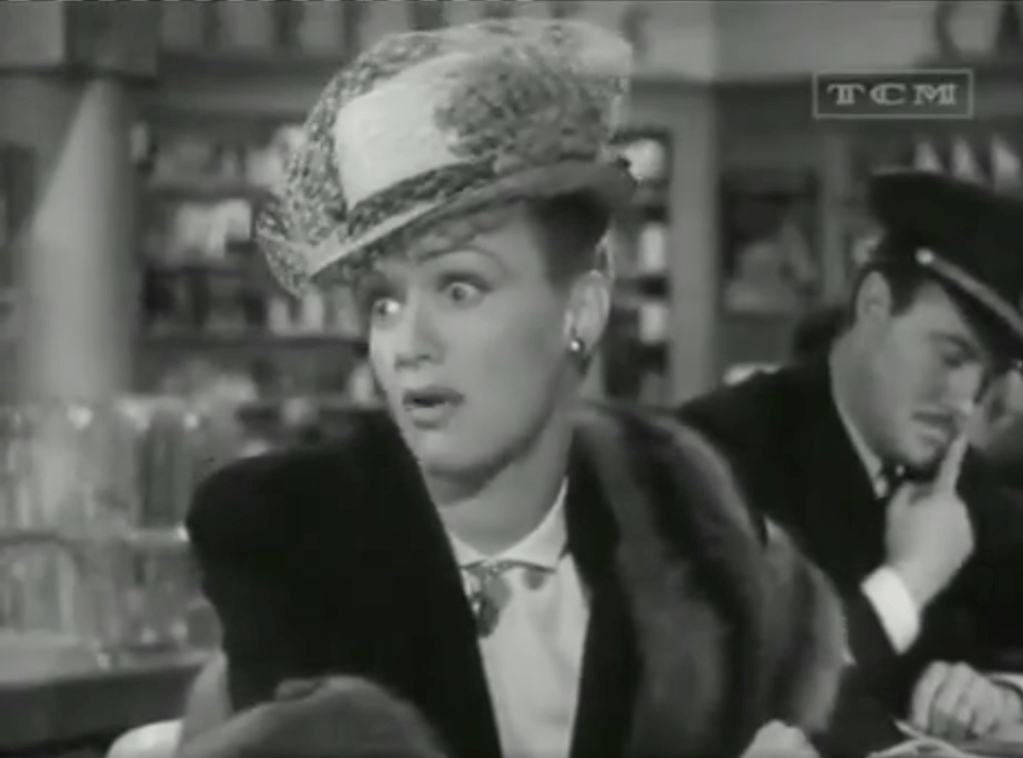
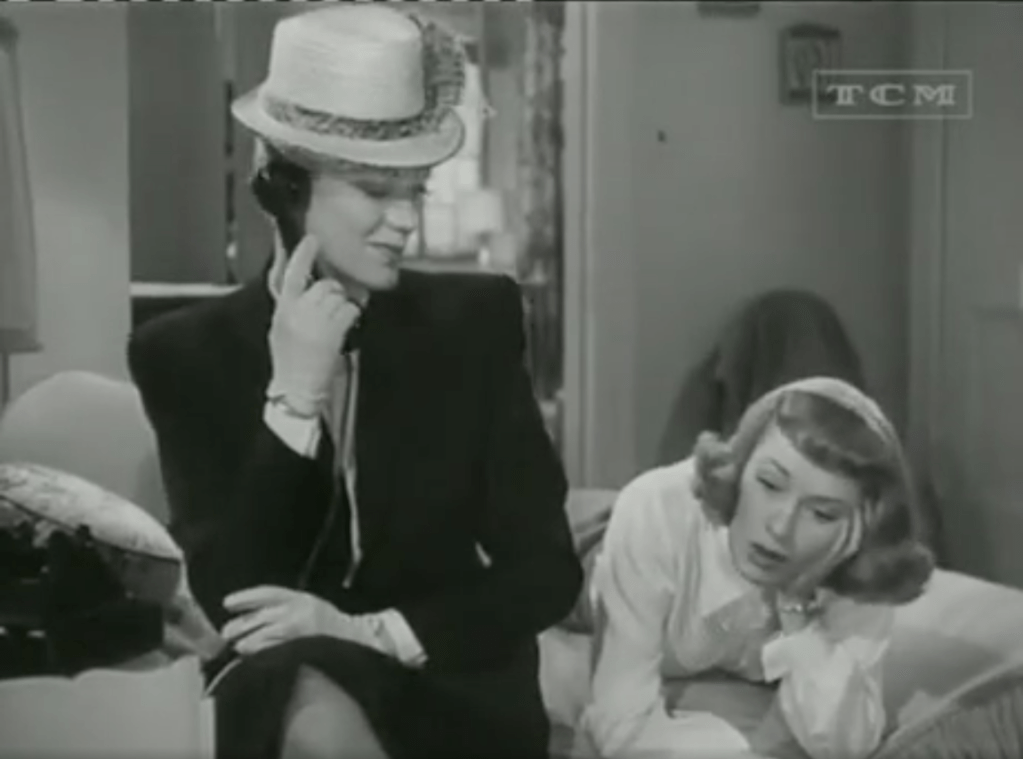
So I guess it’s appropriate to end the month off with a pretty good but not that exciting film. In My Sin, Tallulah Bankhead plays a Panama nightclub hostess who kills a man in self-defense. Fredric March plays her lawyer and, when she is found not guilty, a friend who convinces her to not let herself be overcome with guilt and grief and to start living again. She travels to New York City and becomes a successful interior designer and he realizes he is in love with her. 
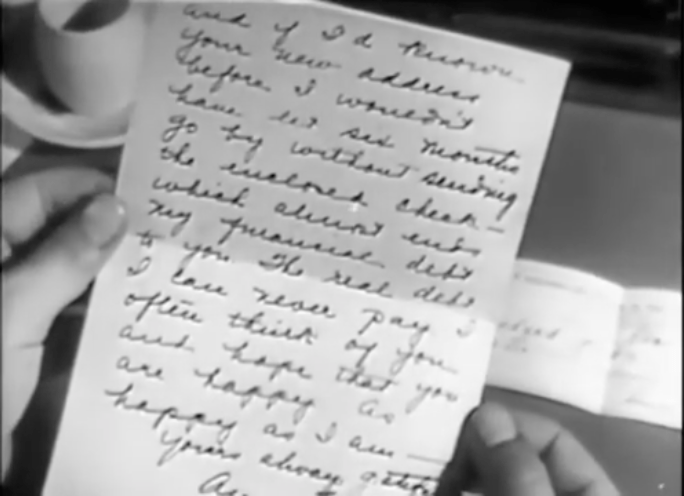
Fascinating…

Pre-code movies are often called scandalous and bold and just the greatest, cruelly taken away from us by the Code. And… I guess? I mean, there is a murder, our main character goes on trial. But My Sin is mostly a mild melodrama, rather than a saucy crime story. It is still a fine film, helped by the good acting and a fairly interesting subject matter (not in a “fun” way, in a “let’s reflect on guilt” way). It is a question all of us has to answer eventually in one way or another — can you really ever escape your past?

Prime Cut (1972)

This movie is wild. This movie is WILD.

And I am not entirely sure what that means? I am not sure if I liked it? I am so confused? Why can’t I stop talking in questions? 

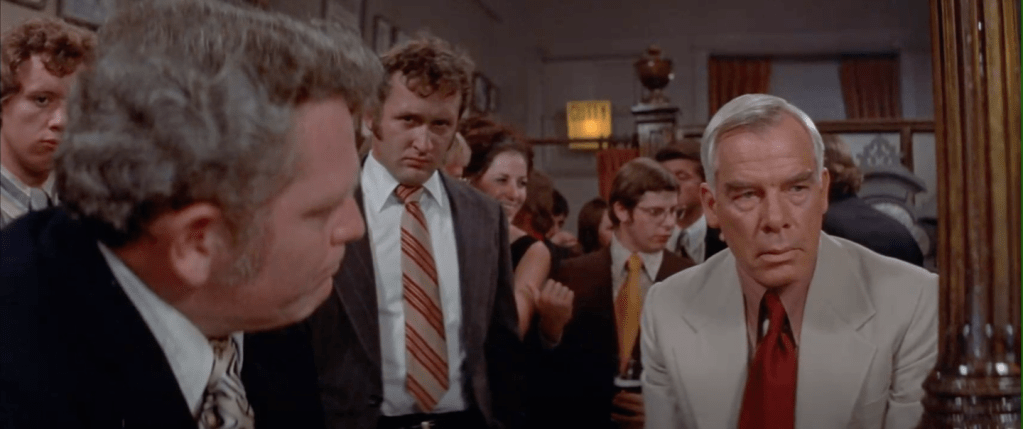
Right from the very first scene, we find ourselves at the centre of meat industry, the slaughterhouse. It becomes clear immediately there is human in the meat. Meat is the centre of the story, too, and the people involved in this business are portrayed as scary and disgusting, they’re the villains. (As a vegan, previously vegetarian-since-childhood, I did not mind this). When Lee Marvin (our leading man) arrives at a barn where the story takes us, he not only sees the literal meat, but also the metaphorical one — young girls, naked and drugged, in the animal enclosures, auctioned off. 

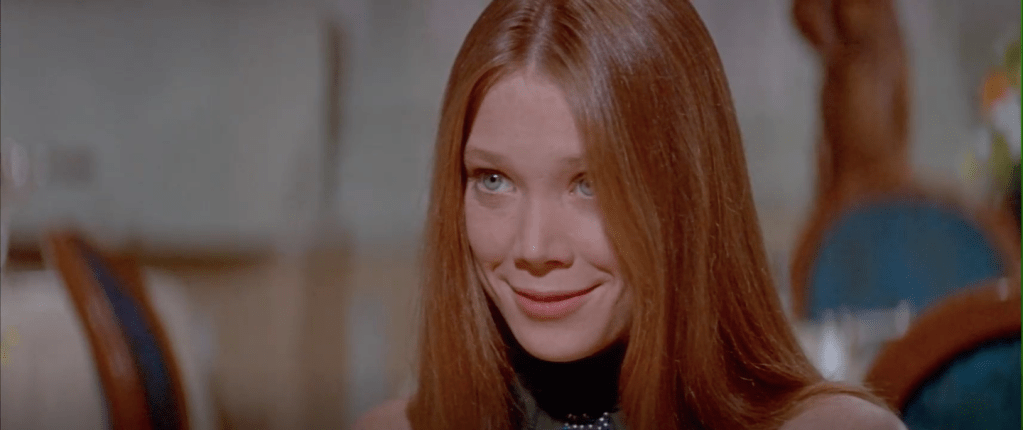
One of those girls is none other than Sissy Spacek who begs for help. She is beautiful, she is pure, she is the archetypal child-woman who needs the man’s protection. I don’t even necessarily mean that it’s morally “wrong” to have a character like that in this particular movie, but some of the scenes between her and Marvin might seem a bit uncomfortable. It has shades of Taxi Driver

There are some fascinating visuals in this movie, some of them bordering on absurd (like the orchestra speeding down the street in a car, playing their music). The farming equipment is shown as a slasher movie villain in parts. Sissy Spacek wears see-through top in an elegant restaurant. There is a lot going on. 

I don’t know if what is being critiqued here is the meat industry in itself, or if it is a look on gluttony and abuse in general. I kind of prefer the former, makes for a more unusual and bolder story. I don’t think the setting of this crime, mob story is incidental. 

The Lodger (1944)

Today I watched the 1944 spooky mystery The Lodger. Weird… I could have sworn I have already seen this story… In fact, I feel like I watch this story every few months. The 1953 Man in the Attic is probably the closest connection but there have been numerous, lesser known ones made around that time. 

And there is nothing surprising about that, after all, this is the story of Jack the Ripper, one of the most famous, baffling, and terrifying mysteries of all time. Such story will always work on imagination, and so it makes sense many artists would choose to try and present it their way. 

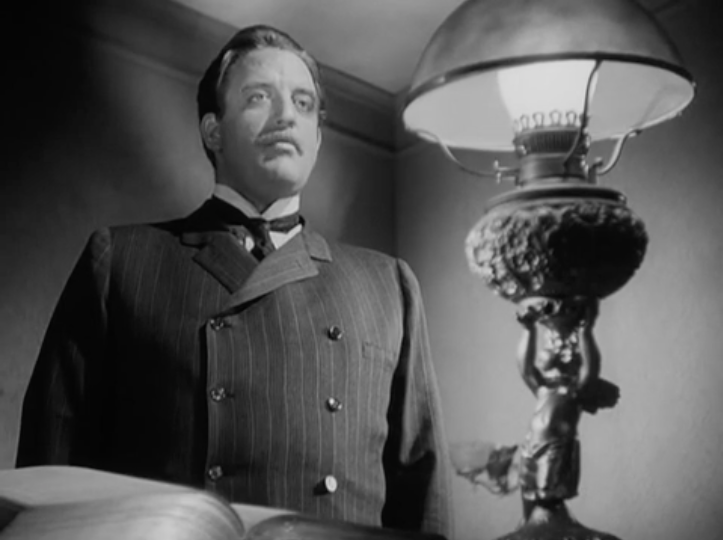
But also, yeah… not much to talk about here when it comes to the story, we all know what it is. Can we instead talk about the cinematography? It is simply beautiful, even though this was not a giant production. Laird Cregar plays the titular lodger and his physicality, his posture, but also the shadows he is cast in, make him a truly terrifying presence. It is very shocking that he was only thirty-one when this film was made, and that, tragically, he died that very same year. 

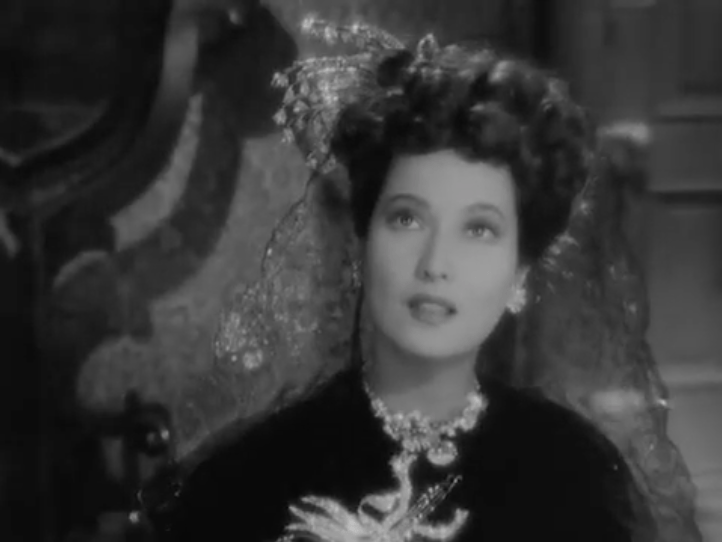
The big star of the film is Merle Oberon who is gorgeous, but also very interesting in the role. I feel like a damsel in distress, a cabaret singer like this would not normally receive as much subtlety as she gives her(self). 

There is definitely a social commentary to be made here, about how some men have so much hate for women, but I feel like we have done nothing but for the past several years — sometimes all you want is to enjoy a spooky movie. 

Will Success Spoil Rock Hunter? (1957)

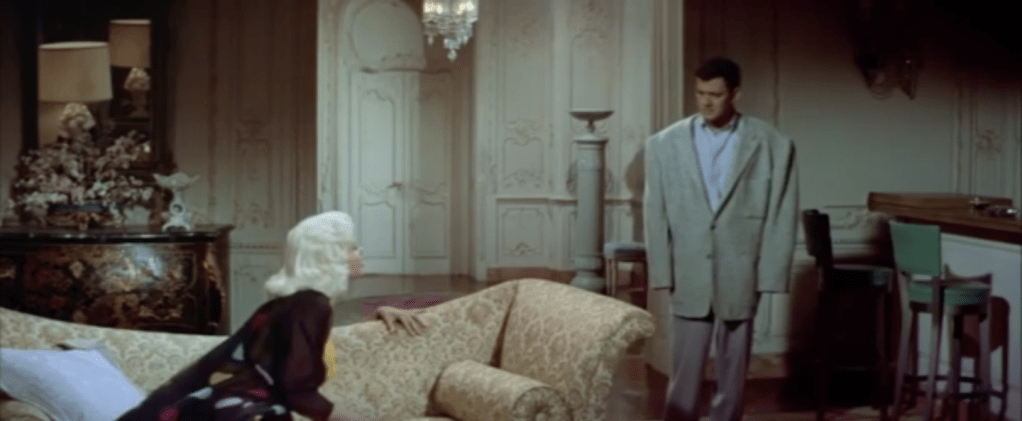
Today on Summer Under the Stars 2021 it’s Tony Randall day and I feel like it would have been difficult to pick a movie more perfect than Will Success Spoil Rock Hunter? for the occasion. Randall plays a man working in advertising and we are treated to some amazing 50s ad aesthetic. This is essentially a prequel to Mad Men. Turns out, the biggest movie star is coming to New York to find seclusion and by humorous coincidence, ends up with Randall, deciding to use him to make her real love jealous. Meanwhile, he decides a celebrity endorsement for his new lipstick campaign could give him success — but will it spoil him? 

I would consider Tony Randall to be the best part of the film (from the very intro, where he hilariously breaks the fourth wall), but of course we must talk about Jayne Mansfield herself, who joins him on the screen. It is hard to believe for me, but this is actually my FIRST Jayne Mansfield film. I don’t know how it happened, I feel like I know everything about her and always had. I do know that, while I enjoyed the film, the role she was given was not exactly complex, which must have influenced the character, but to me this is too much of a Marilyn copy/parody. I will be happy to be proven wrong when I watch my SECOND Mansfield film. 

“This is not my beautiful wife.”

Joan Blondell is also in this film, full twenty years older than she was yesterday when I watched the third Gold Diggers movie, but still as glamorous. 

Gold Diggers of 1937 (1936)

My Busby Berkeley dreams are back. Gold Diggers #3, here we go. 

Dick Powell stars as the male lead (I mean, he is a part of all of these movies, no surprise here, he carried this franchise) and I have to say, I for some reason was under the impression that I was not a fan of his, but watching him in Gold Diggers of 1937, I realized he was actually quite delightful. In the very first scene, he sings a song about money that does not even come in ANY WAY CLOSE to being as iconic as We’re in the Money. But what does, really? 

But Dick Powell surprising me pleasantly aside, the female lead in the film is Joan Blondell (who was, of course, unforgettable in Gold Diggers of 1933, where she was in one of the best musical numbers of all time, “Remember My Forgotten Man”) and her I LOVE and I knew very well I loved her for ages. She is just as adorable and charismatic as you would have expected. 

It is, all in all, a cute film. I consider Gold Diggers of 1933 to be an incredible film and this one cannot really compare, but it IS better than Gold Diggers of 1935, which I did not like. It could have used less plot line about money and more elaborate musical numbers — or even just cute love songs between Powell and Blondell. 

Jane Wyman is allegedly in this film but I did not notice her. 

The Voice of the Turtle (AKA One for the Book) (1947)

Today is Eve Arden day of this Summer Under the Stars. How great is that? Is there anyone who is not absolutely in love with Eve Arden? She is iconic! 

I could have chosen so many films of hers to watch, it might seem weird that this post is about a pretty obscure The Voice of the Turtle (AKA One for the Book). But even if you have not seen this one, or even heard of it, as long as you know Eve Arden is in it, it’s a safe bet she’s the scene stealer. 

Right? 

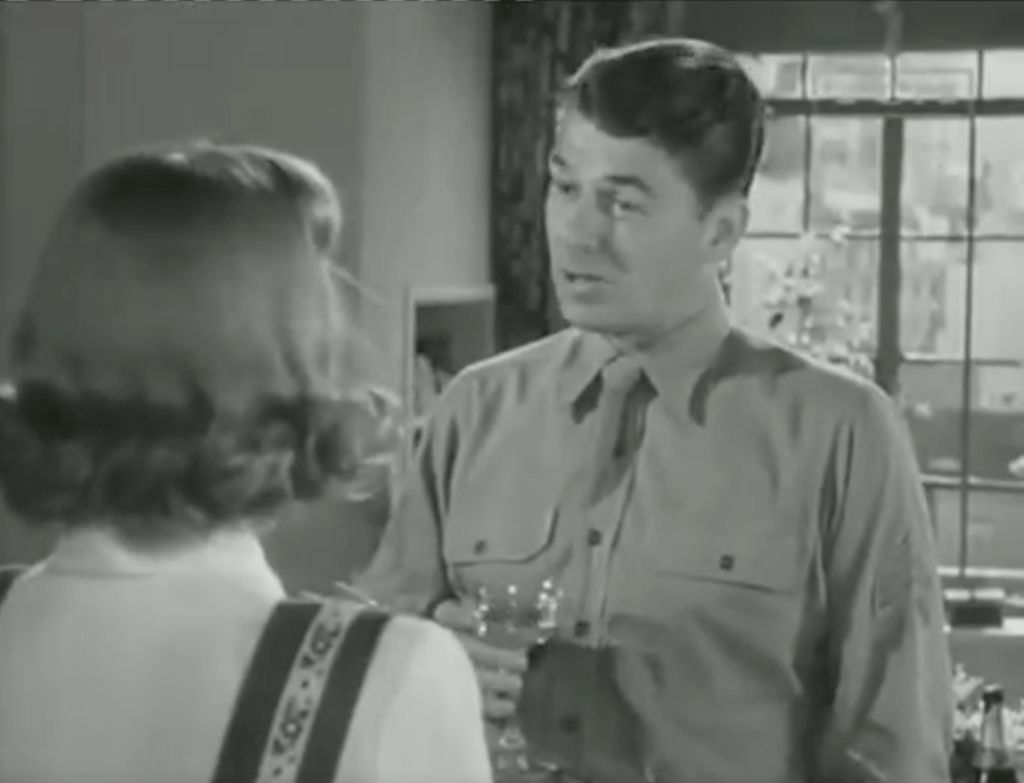
Well, I am sorry to say this but I was completely distracted watching this film and even Eve Arden could not bring me back to reality. And what caused that weird situation? Well, none other than Ronald Reagan. 

You heard it right, this is a Ronald Reagan picture. I, of course, knew he was an actor in his early years, but I never really considered him a REAL actor, more like an Instagram influencer whose Wikipedia bio starts with “model and actress”. 

And I cannot even express how much it pains me to say this, but he is not bad in The Voice of the Turtle (AKA One for the Book). He plays the love interest to Eleanor Parker (who is absolutely adorable in this role) and I was ready to get angry but… they work well together. I enjoyed watching the romance blossom. 

Yikes!

The devil truly works the hardest. 

State of the Union (1948)

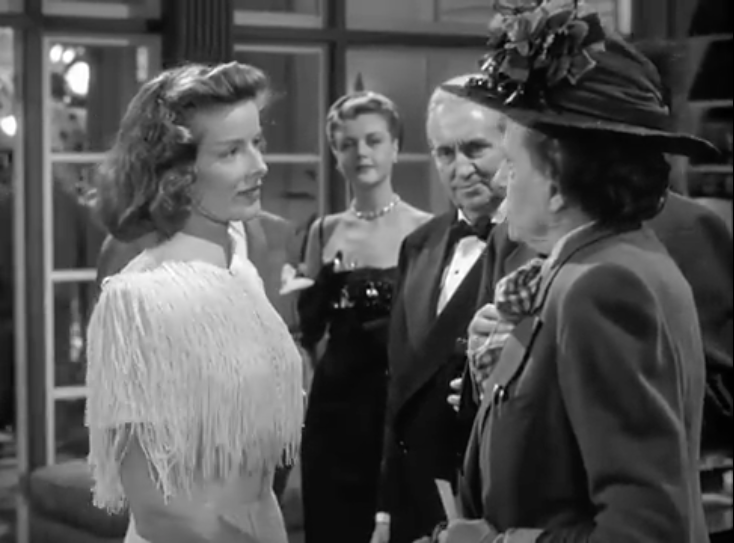
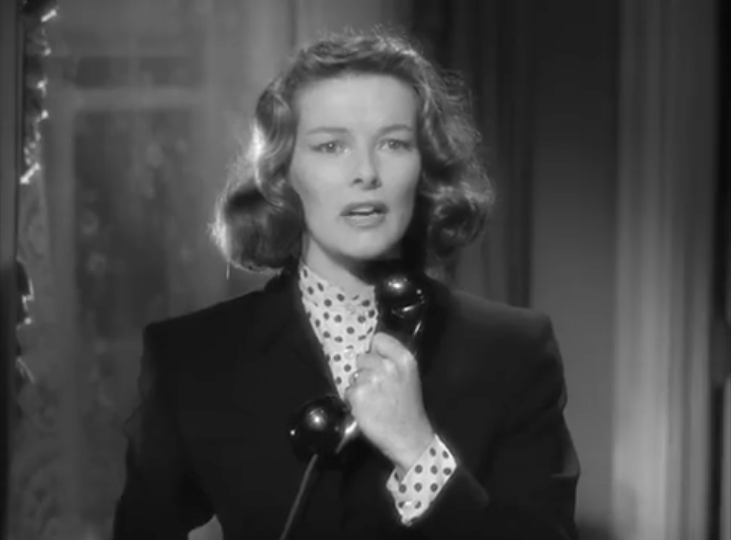
State of the Union is one of the Katharine Hepburn/Spencer Tracy movies I have not seen before today. Also, I followed it up with Pat and Mike so there are almost none left for me to discover. Granted, I can’t say I am exactly in a Hepburn/Tracy mood after this one, because it ended up disappointing me a bit. 

And I guess maybe I should not have had such big expectations, but come on — with this cast? Apart from the iconic duo, there is Angela Lansbury, who kind of is the main character and villain, which is very interesting (and, spoiler, she is truly the star of the show), and Van Johnson who is playing the kind of role he seems to always be playing, which is to me forever charming and amusing. 

Lansbury is a newspaper tycoon who decides to promote her lover, Tracy (!!!) into becoming the next US president. Another disappointment in the film stems from the fact that the beginning is truly great, the start of the intrigue is thrilling and funny. 

Who’d have thought that the quality of State of the Union would go downhill when Katharine Hepburn showed up? But somehow it happened! Because from a fun screenplay about shady politics, we go into something that is mostly… a love triangle. What is this, a 2010s Young Adult adaptation? 

I feel like Hepburn’s character had real potential and the film would have been much better if they let her be more sassy and blunt, we know Katharine could do that. Still, I guess the film can be praised for talking bluntly about how dirty and insincere politicians are. It is a pretty good movie, but not a very good Katharine Hepburn movie. 

Brubaker (1980)

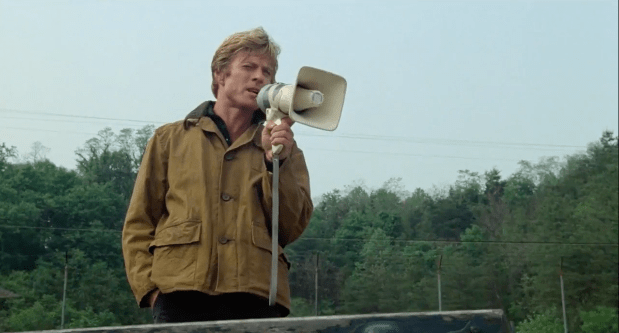
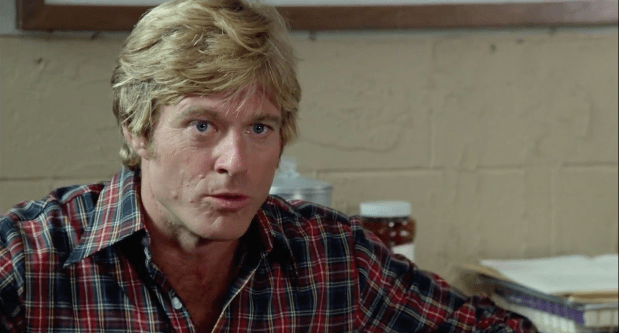
Today is the Robert Redford day and you might be surprised to know, that the film of his I have decided to include in my personal programming for today I am most excited for is Disney’s Pete’s Dragon remake. I do not even know why, it does not seem like something I would normally particularly enjoy. But I am excited! I sure hope it turns out to be better than The Natural which, I am afraid to say, bored me to no end. 

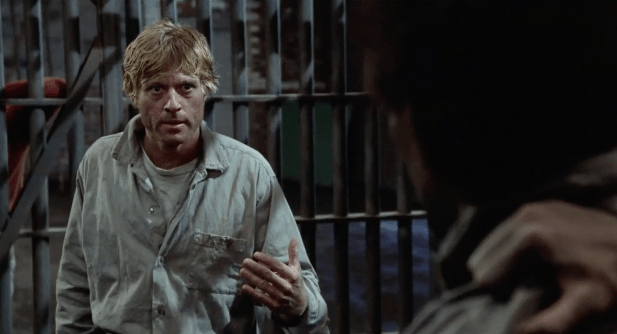
But this post is not supposed to be about The Natural, but about Brubaker, a movie that is, I feel, less remembered even though it is definitely better. “Brubaker” is the name of Robert Redford’s character. He was just brought into the prison where he will save his time. Except… sike! He is not actually a prisoner, but the new warden who chose to first see the place “from the inside”. What he sees worries, perhaps even terrifies, him and he sets off to make some changes. 

Wow, what a terrible places prisons were forty years ago, good thing those days are over. Phew! 

Well. There is no denying that Brubaker is very heavy-handed and moralistic. But I do appreciate the direct criticism of the system, even if perhaps the issues we are discussing today are not yet brought to the forefront (although the situation of Black prisoners does get some focus). The drama is genuinely engaging for the most part although to me loses some of its strength when it does not focus on the prisoners specifically. Still, I do appreciate it and Redford is great. 

Odds Against Tomorrow (1959)

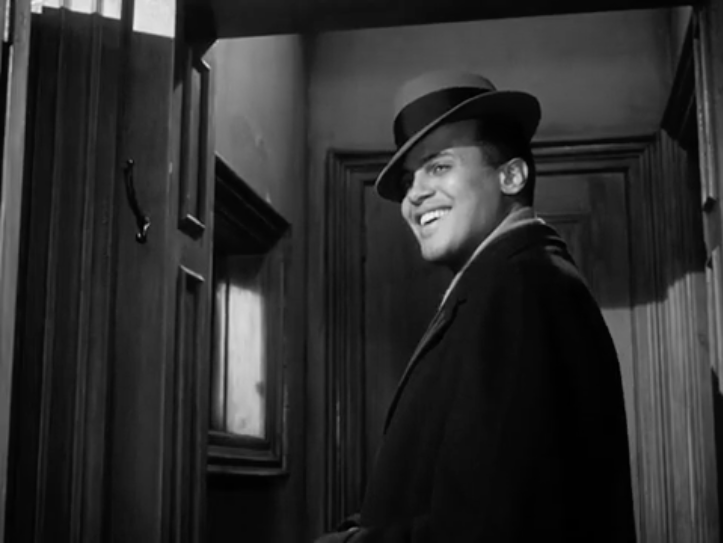
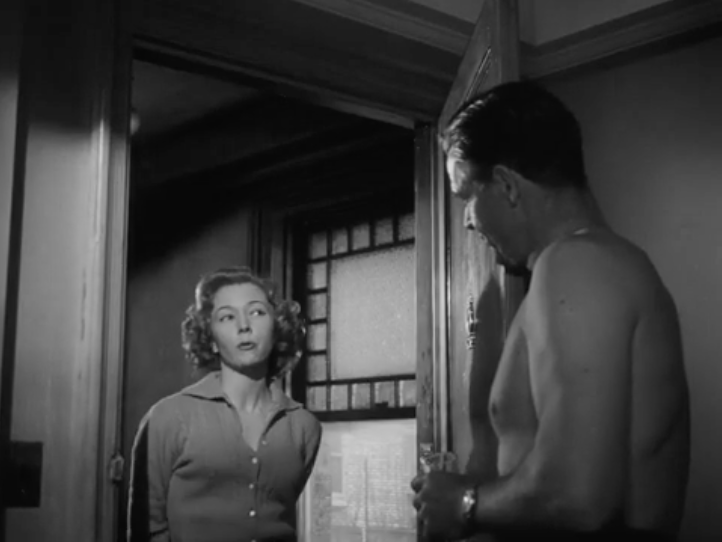
Odds Against Tomorrow is a crime, noir (-ish) story about how Harry Belafonte and Robert Ryan (whose character is a racist) are basically recruited to rob a bank together by an ex-policeman. They agree because Ryan is a con and Belafonte is a gambling addict with debt. 

There is no doubt about it, and I do not think anyone would argue otherwise: this is a Harry Belafonte picture first and foremost. He is charismatic, handsome, he gets to sing — a true movie star through and through, I kind of wish he had this own day this Summer Under the Stars. 

The film is very stylish and has good music — that opening got me hooked. There is also this kind of odd vibe about it, I am deeply sorry for using that word but one could say, “Lynchian” (if you have seen it, think about the recurring wind conversation in the elevator) and that is something I just love. All those things work so well and my only criticism really stems from the fact that certain moments would have played much better if they were more subtle.

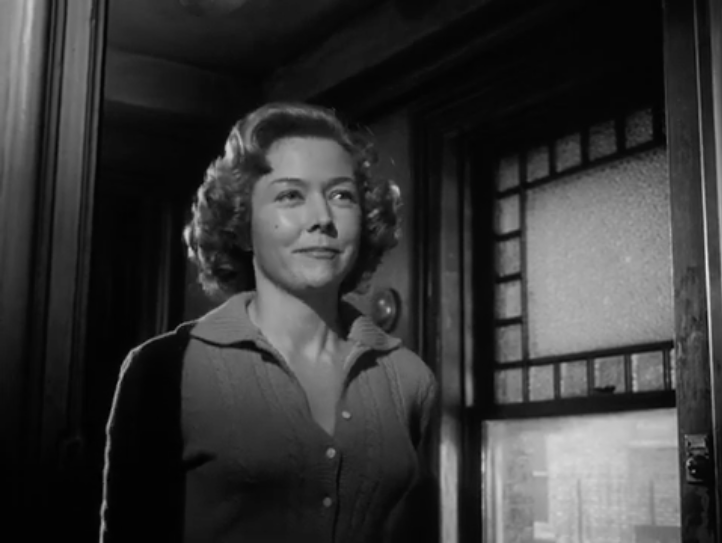
Weirdly enough, I chose this film for Gloria Grahame which ended up being a fail of sorts because she is not in it a lot. Still, I know her mostly from her glamour girl image so it was interesting to see her play someone “common”. 

By the way, I have somehow watched SO MANY Shelley Winters movies (this, Harper, The Chapman Report…) this Summer Under the Stars, despite her not getting her own day. She really was such an iconic figure of Classic Hollywood. 

Gregory Peck Day

We are halfway through August already, and I spent the entirety of today watching movie after movie but it was so hot and somehow sleepy that I did not have energy to do literally anything else — not even take some notes for my (more or less) daily post. Instead of a review, here is the list of the Gregory Peck movies I ended up seeing. What I find pretty interesting that all of them are lesser know works of his, one I have not really seen discussed (or mentioned, to be honest). Too bad my laziness and the summer weather cause me to not bring any significant change to the situation. 

Only the Valiant (1951)  — a pretty forgettable western. 

Moby Dick (1956) — I know this one is not forgotten, but it still seems like an adaptation of Moby Dick by John Huston, starring Gregory Peck should have been a bigger deal. The book IS better but I like how the film tried to incorporate some of the most iconic quotes, plus I liked the design of the ship. 

Behold Pale Horse (1964) — Spanish war drama that seems both impressive and odd. I kind of wish I watched it with more attention, and not while marathoning movies because there’s a lot to unpack here. 

Mackenna’s Gold (1969) — definitely the wildest of the movies and the one I enjoyed most. Probably an unforgivably offensive portrayal of indigenous Americans but just such a ride. The soundtrack by Quincy Jones is great and this is the second, after Behold Pale Horse, Gregory Peck—Omar Sharif project today which I enjoyed. 

The Scarlet and the Black (1983) — my personal feelings towards Catholic Church make my view of this film biased. This is all I’ll say. 

Design a site like this with WordPress.com
Get started