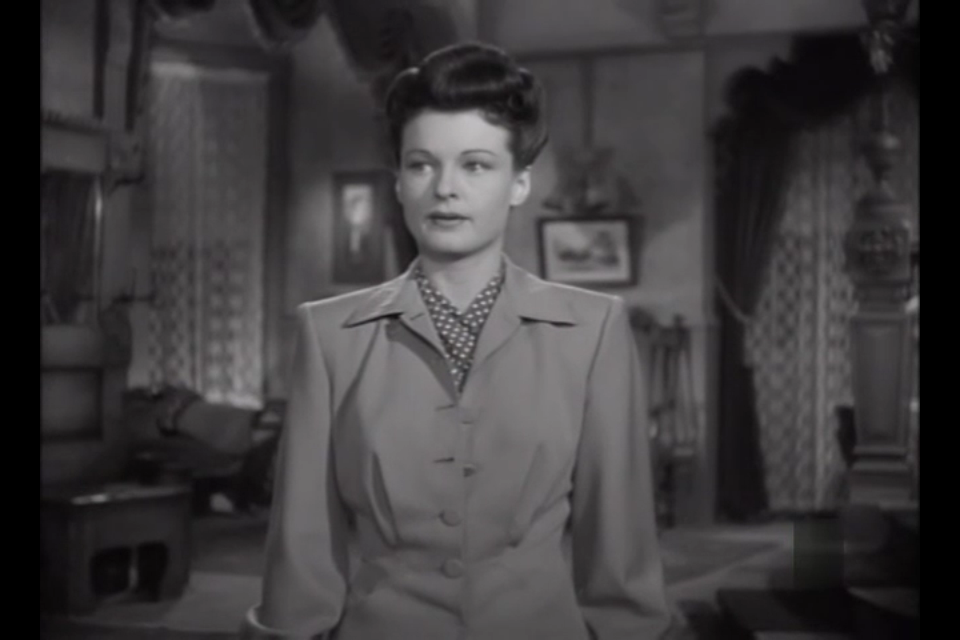
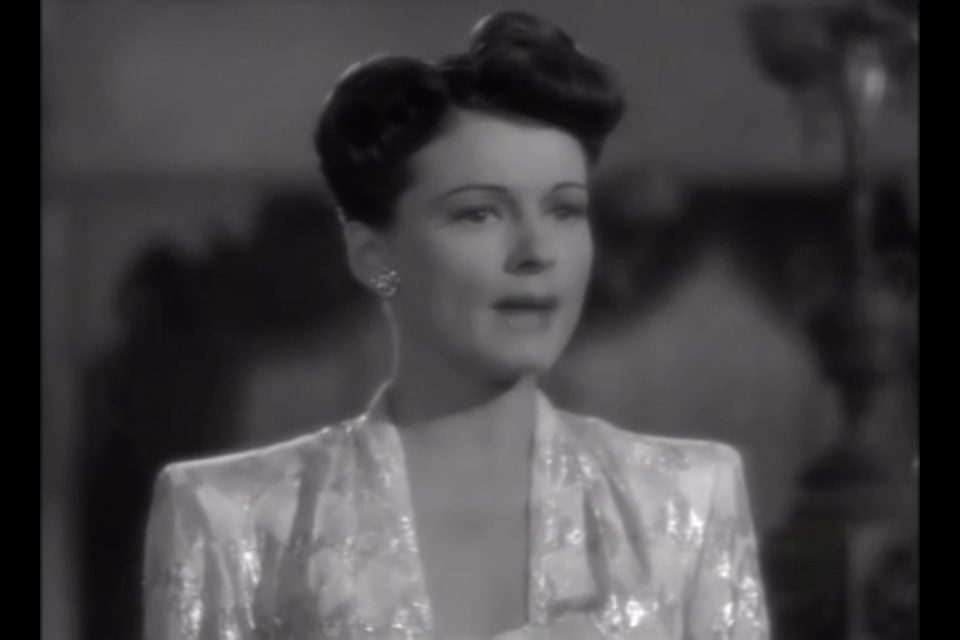
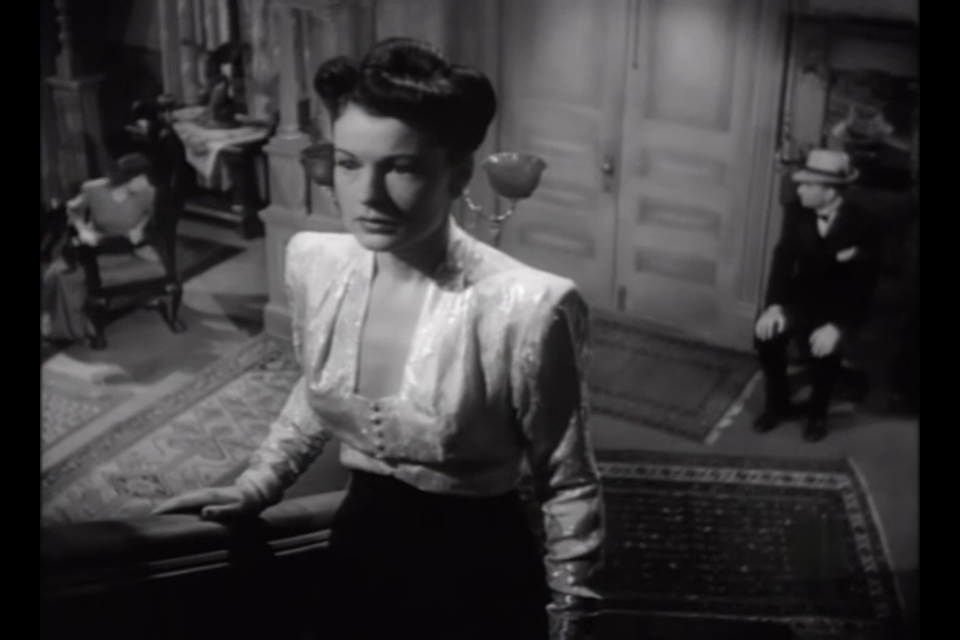
Summer Under the Stars: Day 6 – Lena Horne

I don’t think there is anyone interested in classic Hollywood who hasn’t listened to it yet, but I highly recommend the Lena Horne episode of the You Must Remember This podcast. And if you’d like to learn even more, check out Lena’s biography Stormy Weather. This is how I learned about her (in that order) and what made me into an admirer. So I was excited for today.

The Duke is Tops (1938)
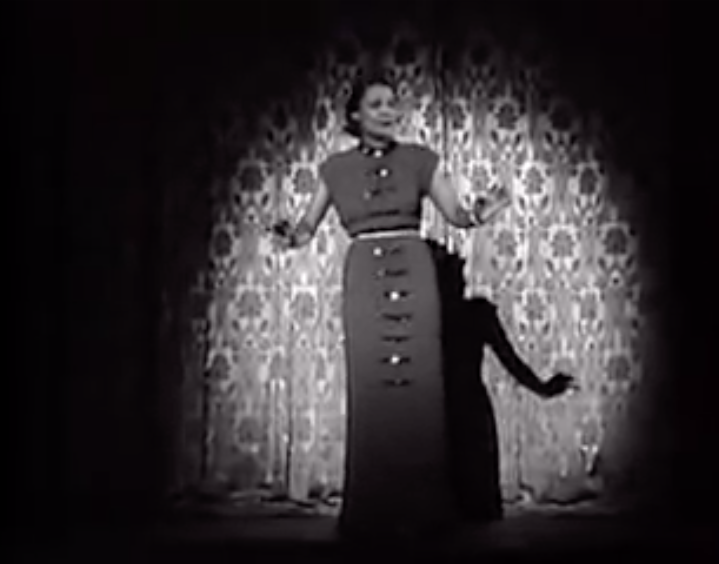
Awful YouTube quality but hey! – Lena’s first time on the screen!

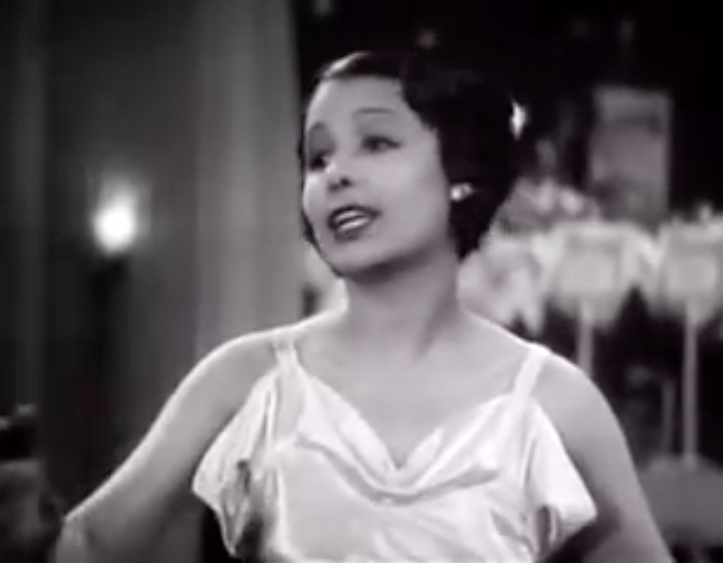
The Duke is Tops is Lena’s film debut. She’s also a fresh star within the film – in the show of the titular Duke. Duke sees her potential and wants her to have a great career, he feels like his revue is not enough for her. She doesn’t want to leave so he creates a plan to force her to. Soon, she is enjoying success but his show suffers without her and he starts advertising medicine.
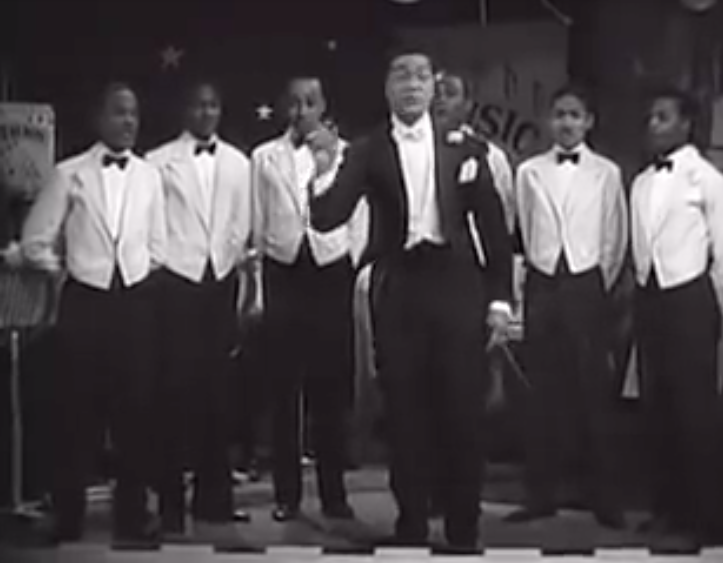
Duke

It’s a short film but it makes good use of its runtime and does what music films are supposed to do. There’s tons of great dancing and Lena sings sweetly. And it ends the way the 30s movies should – with a big musical extravaganza!

P.S.: Interesting bit of trivia: at one point Lena sings a songs ABOUT stormy weather but it’s not Stormy Weather. *Foreshadowing*
Cabin in the Sky (1943)

Look, there is a something that has to be discussed when it comes to Cabin in the Sky. One cannot run away from the subject of race. And one shouldn’t! It’s important to talk about. Of course, I am a white girl from Europe so probably not the person to talk about the situation of African Americans in the 40s – or ever. 

Here’s the thing – Cabin in the Sky is extremely stereotypical. It is casual racism at its finest. But it is also a film that puts black people, black actors, first and gives them a place to shine (pretty rare in 1943 – still pretty rare!). But of course, it doesn’t mean we have to accept everything without criticism. It is fine to expect more.
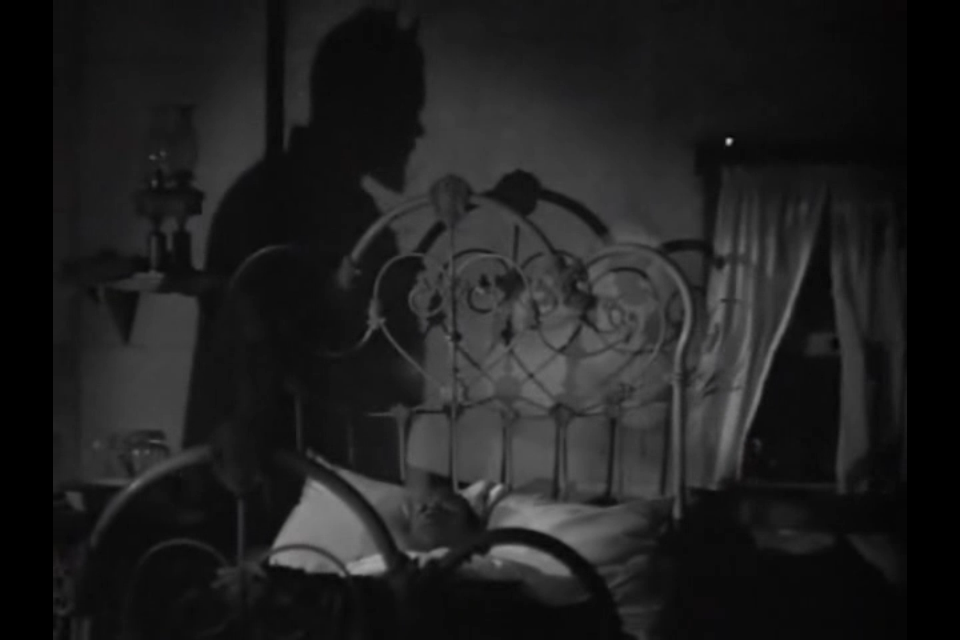
Joe dies and since he was not the greatest guy when alive, he’s supposed to go to Hell. But he gets a chance to plead his case. Throughout the film the Devil wants to get his soul in various ways, for example using…
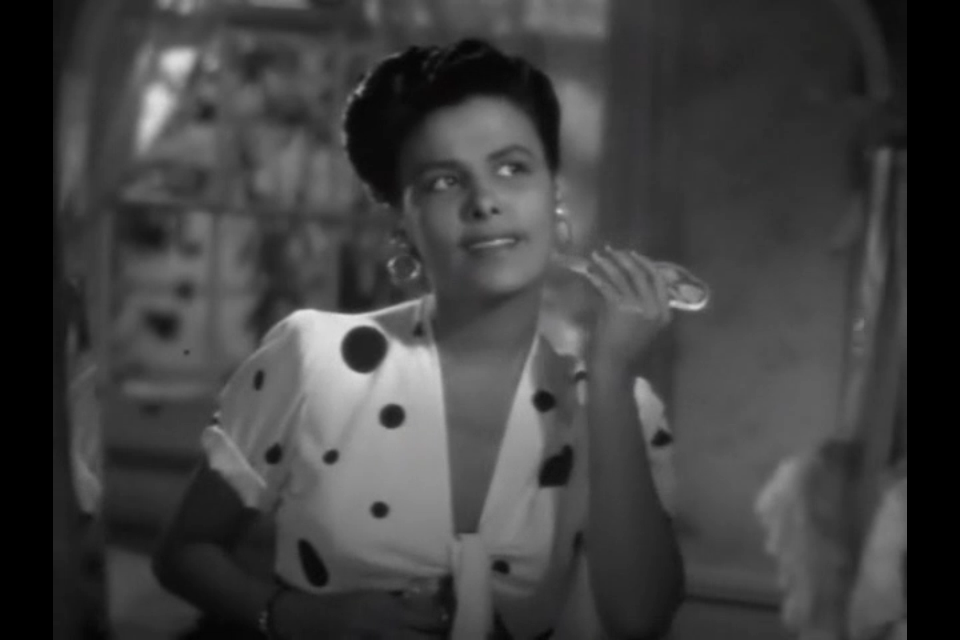
Lena Horne herself! Lena plays miss Georgia Brown, a femme fatale, someone who is sure to bring Joe down.
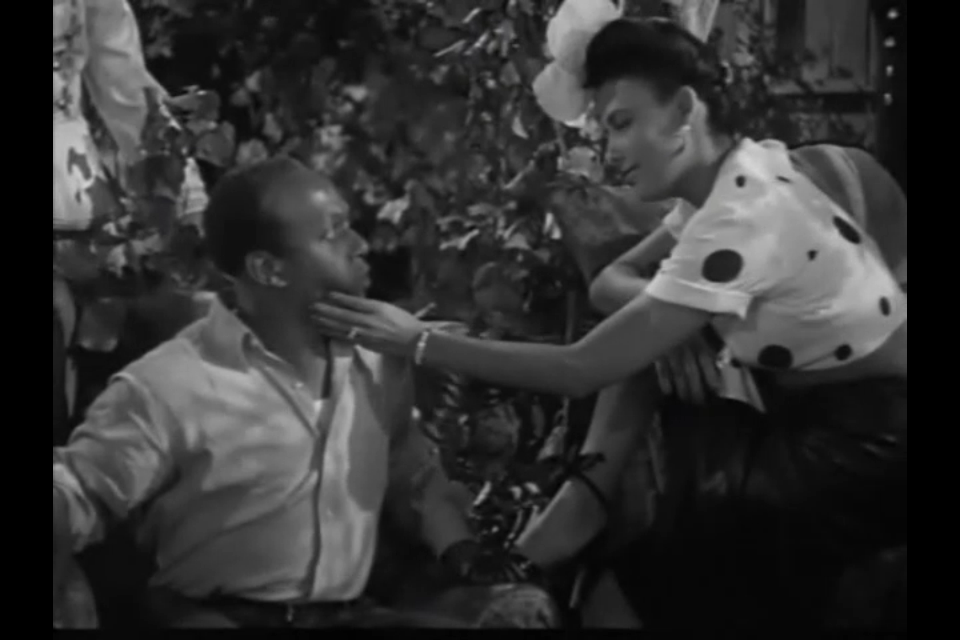
Her biggest moment in the film is probably the Consequences song, which I have to admit, I LOVE.
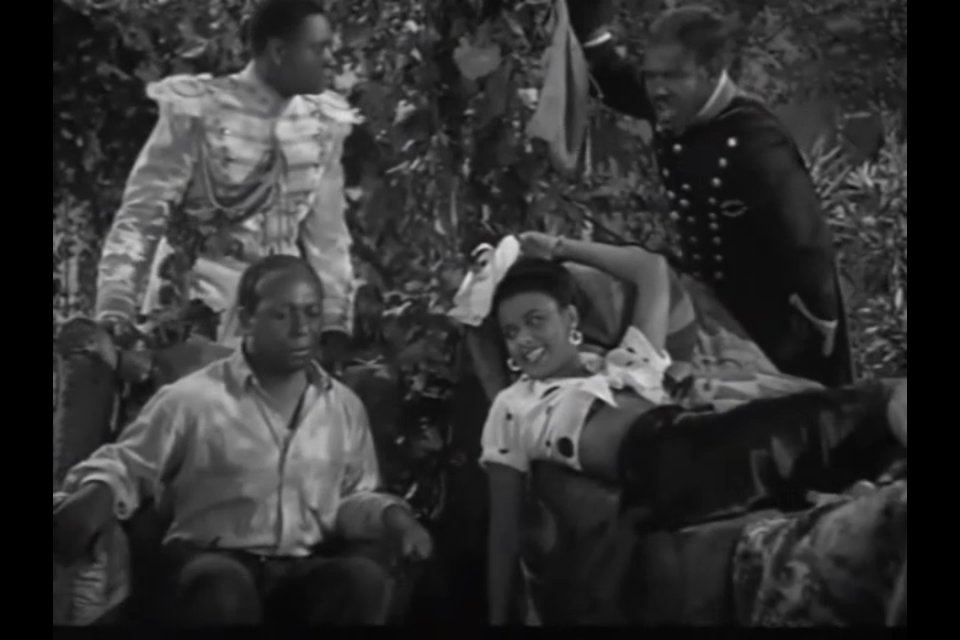
I love this entire scene and I feel kind of guilty about it. Lena in the film is pretty much a symbol of moral decay, she is contrasted with Joe’s sweet and homely, God-loving wife Petunia. And there is no doubt left as to which kind of womanhood is preferred.
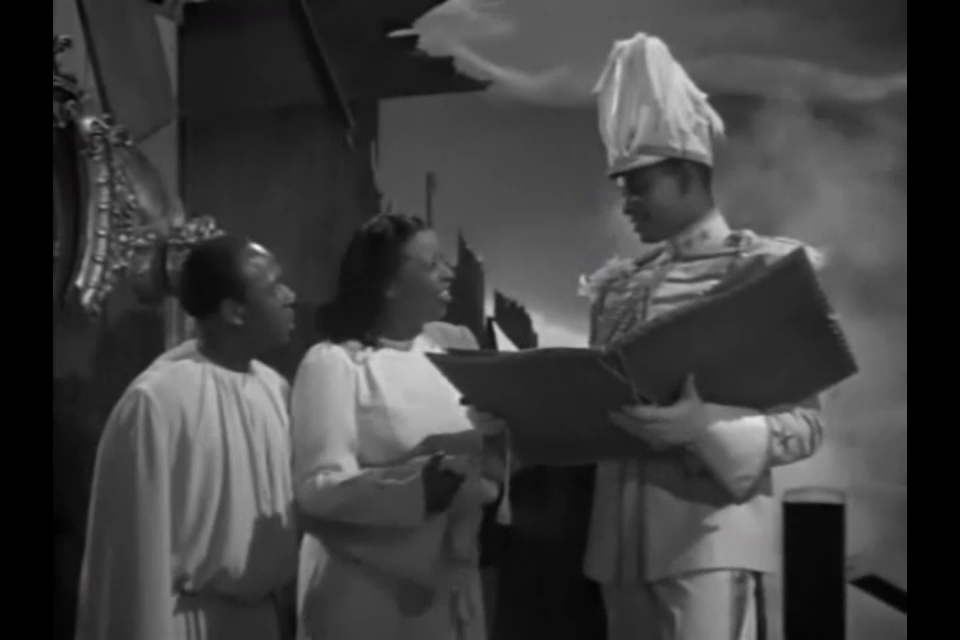
Everything is how it’s supposed to be.

BONUS: A Different World S6E22, “A Rock, a River, a Lana”
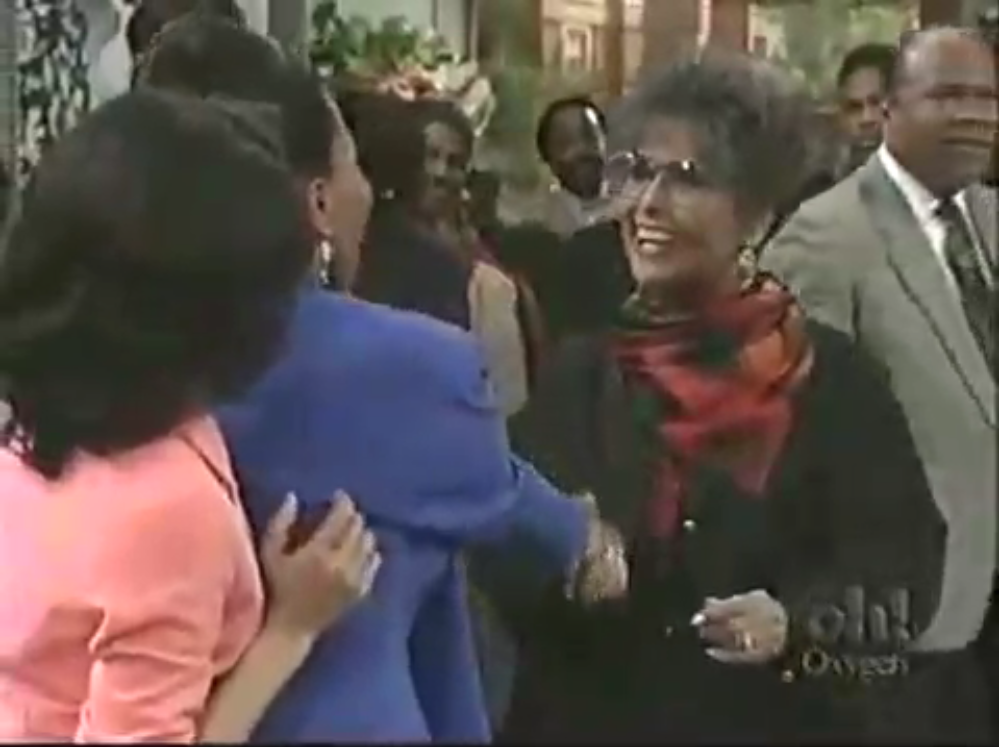
I also checked out an episode of A Different World that featured Lana (as herself). I didn’t know the show before so I didn’t know anything about the characters or the setting. It didn’t matter. Lena Horne was the most important part of the plot and THAT I could understand very well.
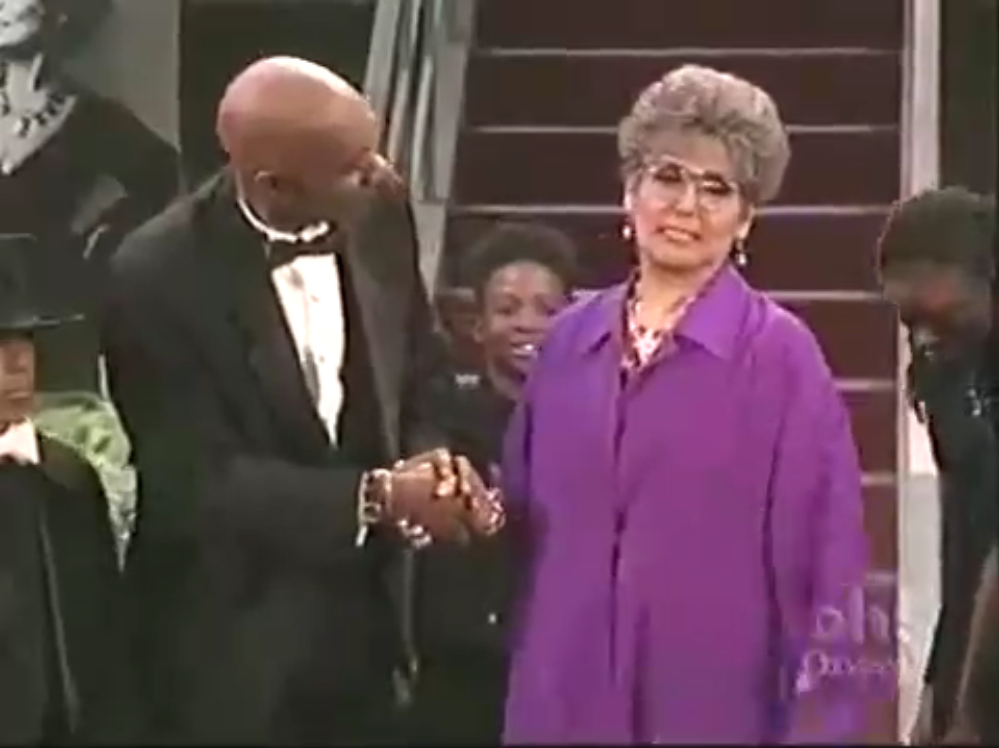
Even though the show mostly featured the characters fangirling about Lena, there was something very genuine about it, a real appreciation by a generation of black female entertainers for a pioneer black female entertainer.

A little bit of shade from the episode: in the end a group of (black) schoolchildren are giving a performance about Lena’s life. A little girl talks about how Lena’s biggest dream was playing a black girl passing as white but SHE got the part which she follows with: „If Ava Gardner could get your part then, then I can play her now!”.
Summer Under the Stars: Day 5 – Melvyn Douglas

It’s Melvyn Douglas day today and I am, frankly, exhausted. I am currently going through some major changes in my life, and it’s already been five days of Summer Under the Stars madness, and the weather has been confusing… But. I still managed to watch four films. I’ll try to be brief today.

Theodora Goes Wild (1936)

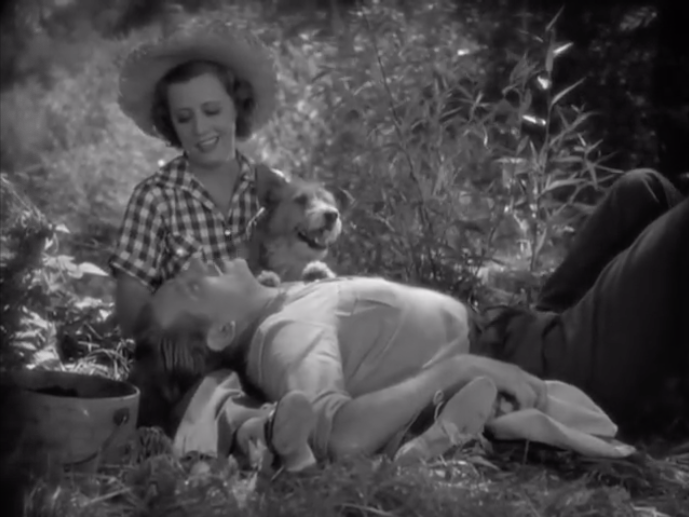
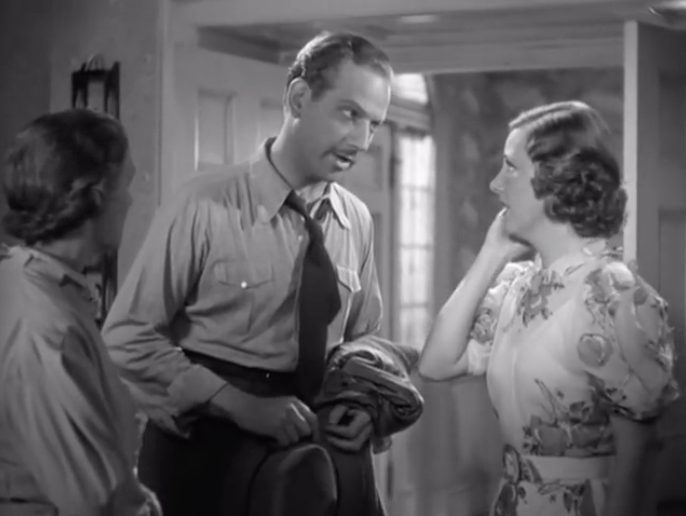
Irene unsure of Melvyn’s intentions

The first film of the day was a delight. We begin in a little Connecticut town where a group of ladies is scandalized by a thrilling story published in the local newspaper. Among the protesters is Irene Dunne. Soon we find out, though, that she is really the author of the story! When she goes to her publisher to tell him off for allowing her work to be read in her hometown, she meets Melvyn Douglas who immediately takes interest in her. 

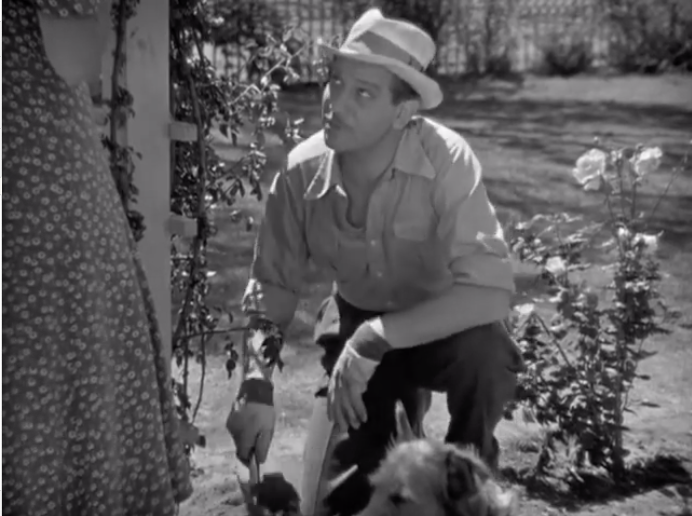
Melvyn the gardener (thank God he’s not Ringo Starr…)

Douglas and Dunne have great chemistry and Melvyn has some genuinely funny moments.The film does not (sadly?) take the obvious route of a romantic comedy about an odd couple and throws in an additional obstacle in the way of their happiness that made me roll my eyes a bit but it is still a very fun screwball and a great start to my day.

Three cuties

Angel (1937)

Oh dear. What a film. 

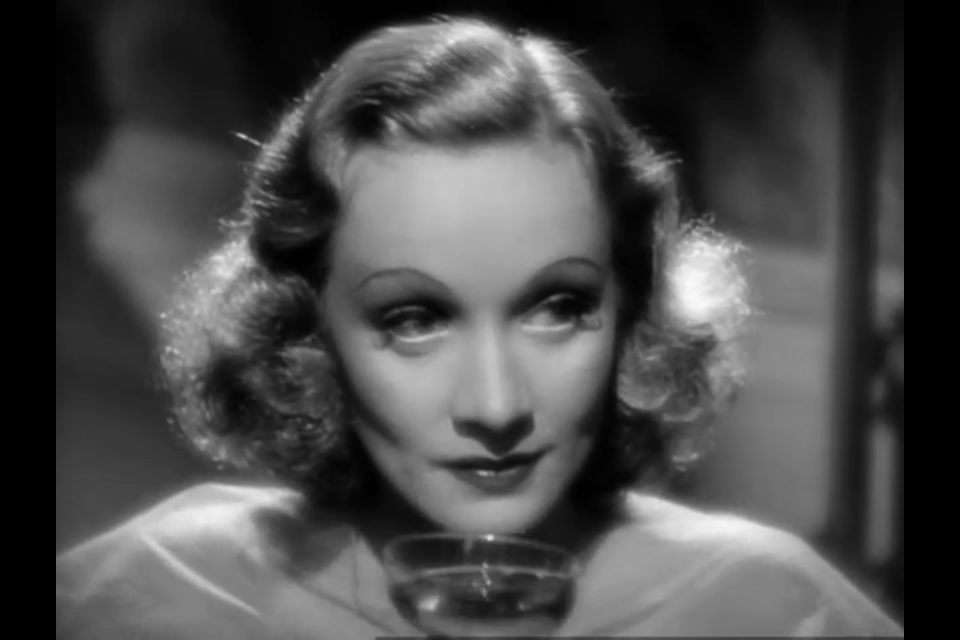
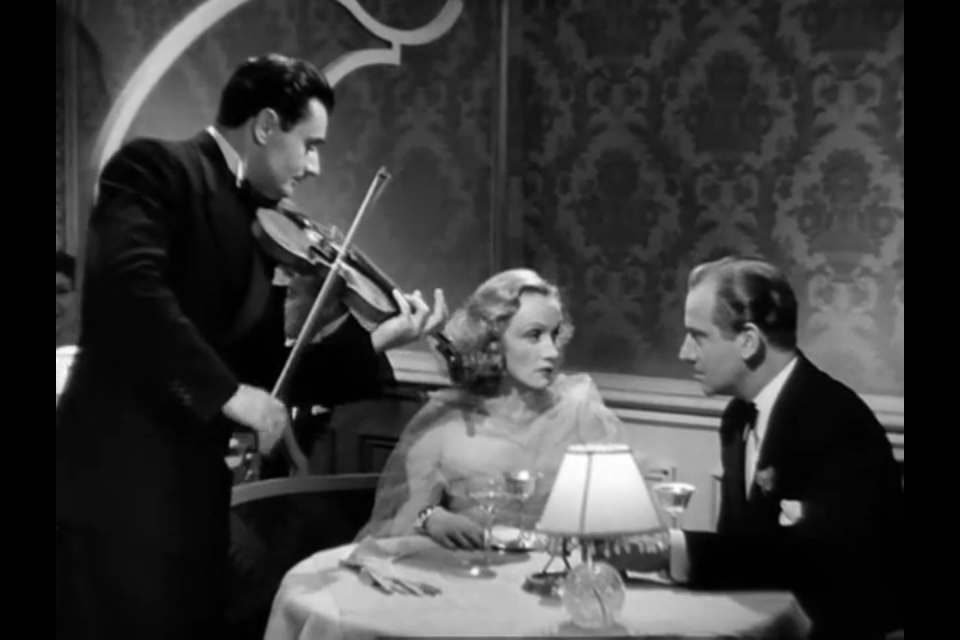
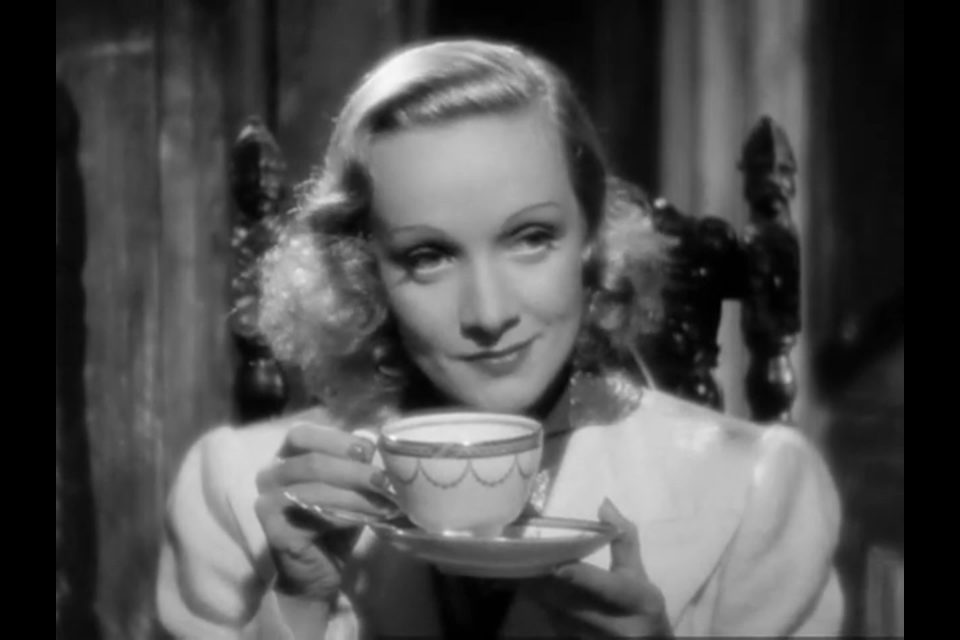
I love Marlene Dietrich. I know, there is nothing unusual about that. But I’ve loved her for years and I thought I knew her pretty well. But even I have never seen her look as beautiful as she does in this film. 

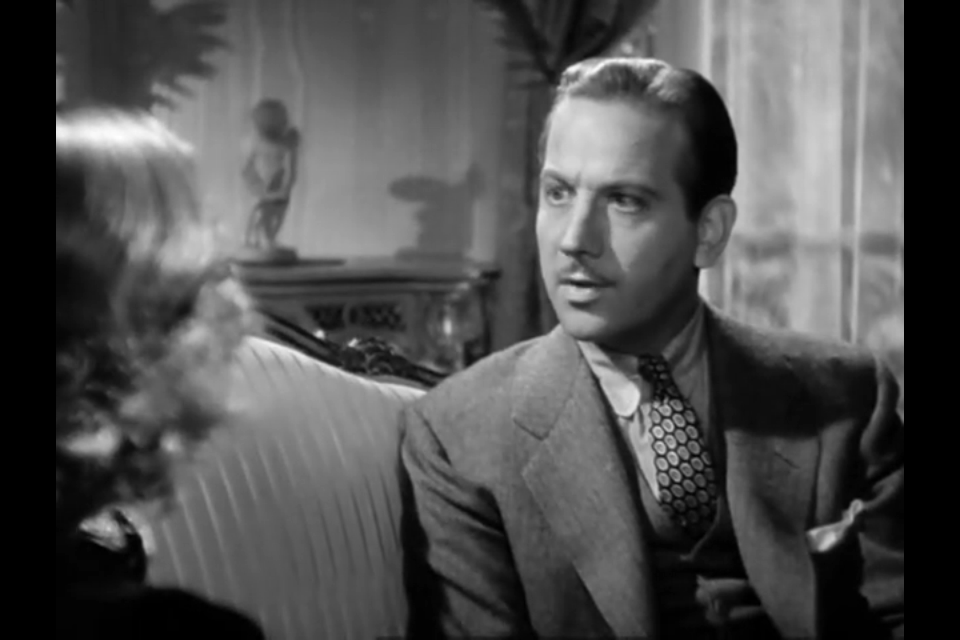
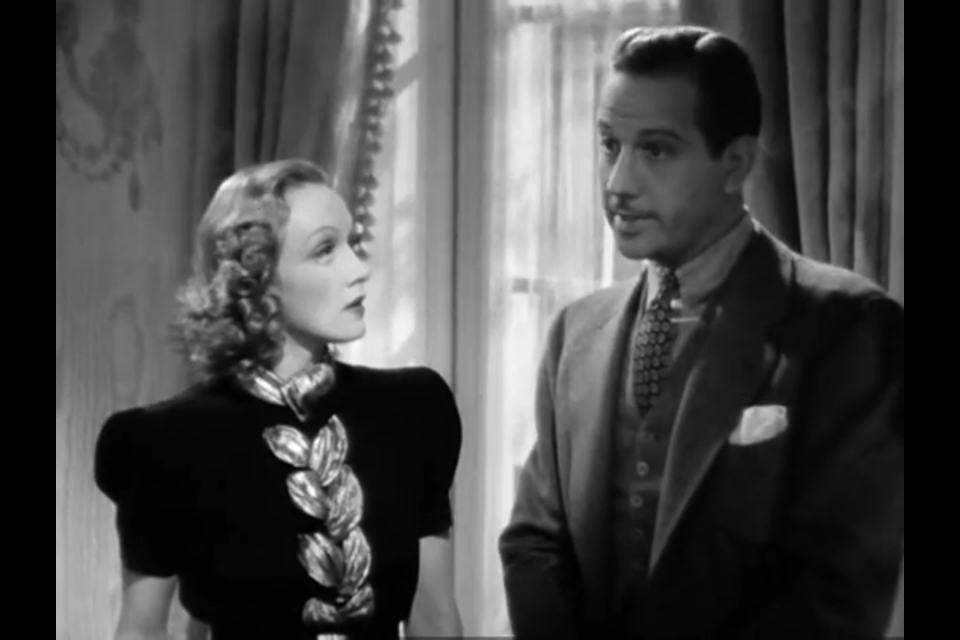
The film was directed by Ernst Lubitsch and as I was watching it I thought that I can really feel that Lubitsch touch. Too bad I could not quite explain what I meant by that. The story is that of a beautiful woman who is married to a diplomat who clearly puts his career first. She feels neglected and alone and begins an affair with… who else – Melvyn Douglas.

What is interesting about Angel is that it does not fall into the trap of a love triangle where the „original” partner is portrayed as an awful villain and we are left to wonder what exactly our protagonist ever seen in them. Marlene’s husband seems like a nice and good man and you can tell they really love each other. She’s just lonely.

A new reaction image for you

Melvyn Douglas is not a very strong presence in the film but I didn’t care. The music, the costumes, the production design, and most of all Marlene charmed me completely.

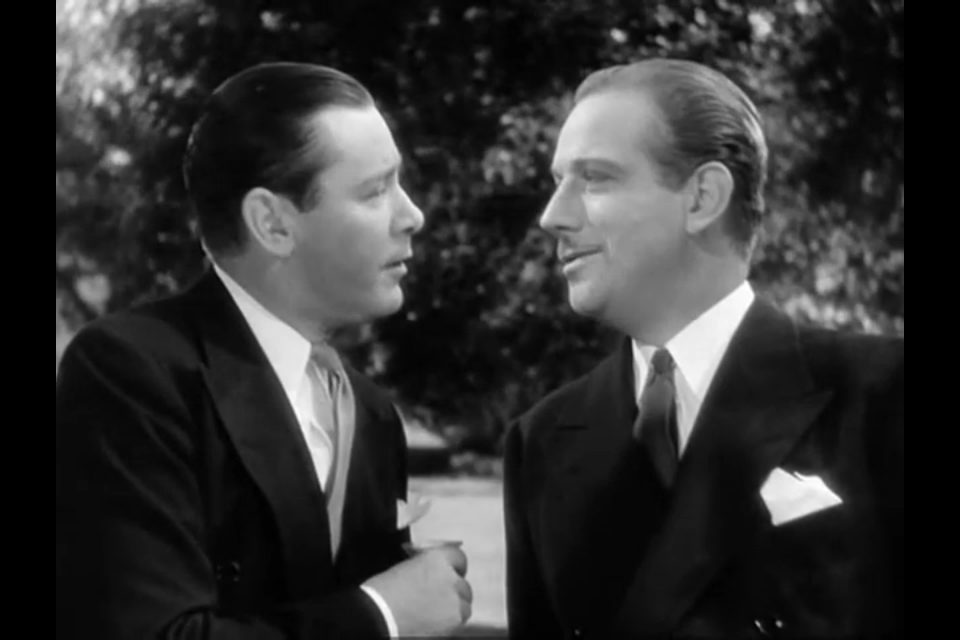
Awkward! Mr. Dietrich meets the other Mr. Dietrich

Captains Courageous (1937)

Speaking of films where Melvyn Douglas is not a strong presence – let’s take a quick look at Captains Courageous. Melvyn plays a „business tycoon” who is also a father of a young boy. The boy, being the troublemaker that he is, gets suspended from school so the father has to take him to Europe with him. Too bad the child falls overboard and they get separated. He is rescued, though, by none other than Spencer Tracy and his crew who decide to let the boy sail with them.

Melvyn Douglas shows up again for the last ten minutes of the film. Maybe it is a spoiler in itself.

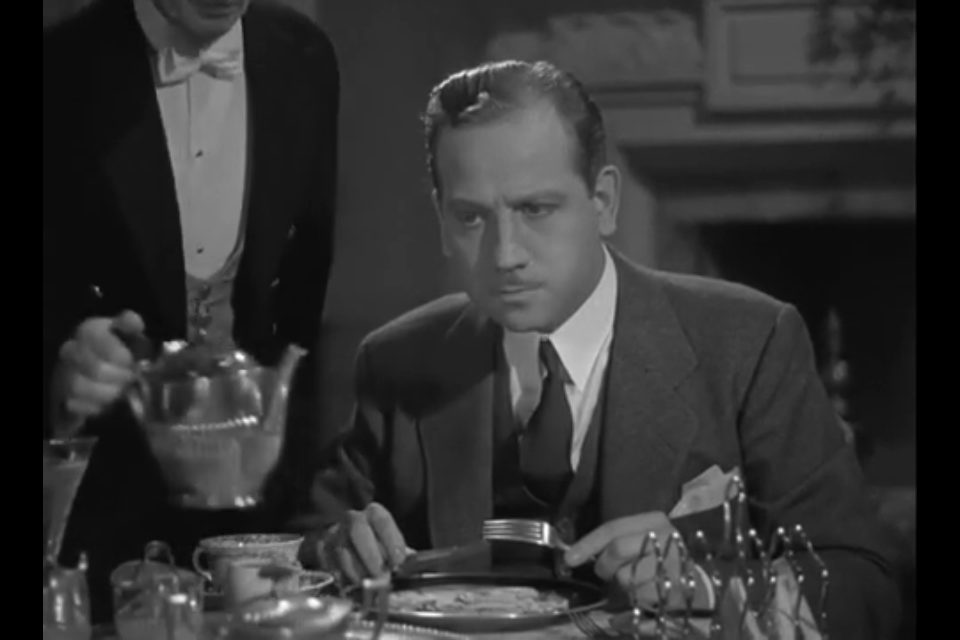
One of Melvyn Douglas’s few moments on screen

I love the sea, I love marine themes so I did enjoy the film – it is an adventure, something I would watch with my parents as a kid, but I don’t think it’s going to stay with me too long.

They All Kissed the Bride (1942)

We end today with a film that does feature Melvyn Douglas significantly. It is more in vain of Theodora Goes Wild rather than Angel and this time he is paired with Joan Crawford herself! You can’t have Summer Under the Stars without Joan Crawford.

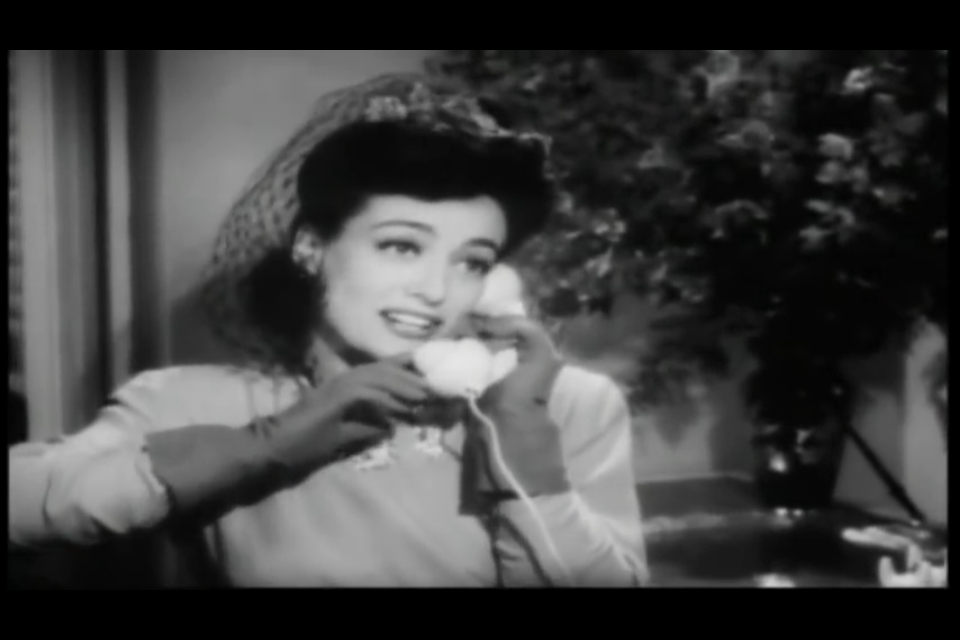
So here she is!

I was excited for them together even before their first shared scene. Joan plays a boss of a trucking company who is very cold and strict with her employees. And Melvyn seems to often be cast in roles of sarcastic, mean men (with hearts of gold, of course) – maybe he could meet his match.

He doesn’t. The film is pretty much an exploration of the horrible emptiness career gives a woman. She is miserable and bitter because she does not have a man. And she is not like Marlene Dietrich’s husband from Angel, who is loving just clueless and thoughtless – she isn’t even actual person because of her choices. In fact, towards the end, when Joan [SPOILER] is heartbroken over losing Melvyn (for a moment) her mother is overjoyed and says „I waited so long for you to become a woman”.

I did not like They All Kissed the Bride but I enjoyed parts of it – it started out pretty strong, okay? Sadly, I enjoyed Joan Crawford much more than Melvyn Douglas (maybe because he was kind of a jerk…).

One more Melvyn Douglas thought before we go – on my way to work I was listening to the podcast I Blame Dennis Hopper. By Ileana Douglas! Melvyn’s granddaughter! Seemed fitting.

Summer Under the Stars: Day 4 – Shirley Temple

I have a confession: I have not seen any of the famous Shirley Temple films she made as a little child. I have seen Since You Went Away, I’ll Be Seeing You (in which I don’t remember her at all), The Bachelor and the Bobby-Soxer (which I’m pretty sure I watched during last year’s Summer Under the Stars and found a bit cringe-inducing) and Fort Apache. Fort Apache I watched just three days ago, as one of the Henry Fonda films. Here she was not a child at all. Anyway, one might think that since today is Shirley Temple day it would be a perfect occasion to fill the gaps in my film diary. Alas, the stars did not align. But the film I did choose for today is still the earliest among the Shirley Temple vehicles I’ve seen so far (she is fourteen at the time of the film’s release).

Miss Annie Rooney (1942)

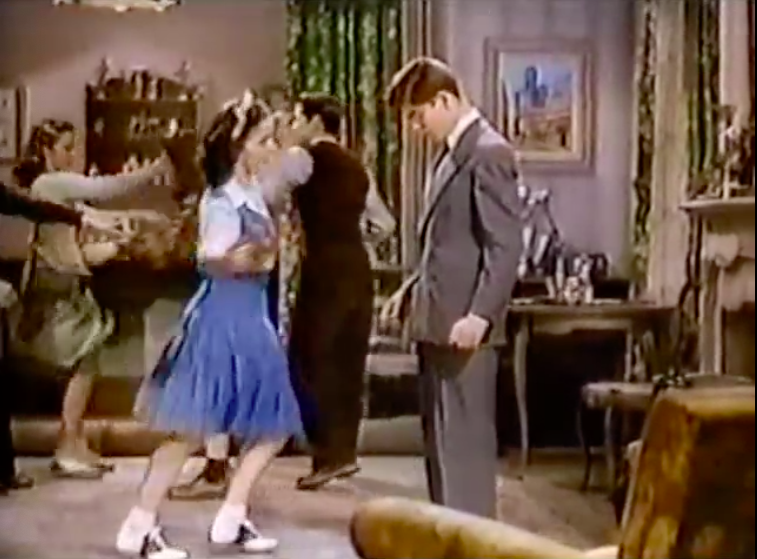
Miss Annie Rooney is a young teenager living with her father and grandfather. The father is a bit of a hustler, one of those men with several “billion dollar ideas” a week, none of which ever amount to much. The grandfather is pretty much the one who is taking care of the house which I found interesting and refreshing since in the majority of stories of motherless households the daughter would take over the „feminine” (ugh) duties. Annie is a romantic soul who loves poetry,  art, and beauty. She fancies herself a sophisticated young lady and is drawn to finer things. 

One day, while at the way to the dance with her childhood friends, she meets Marty, a sweet, kind of dorky boy. Oh, and he’s rich. Marty enjoys Shirley’s company and the two become closer and not everyone is happy about that.

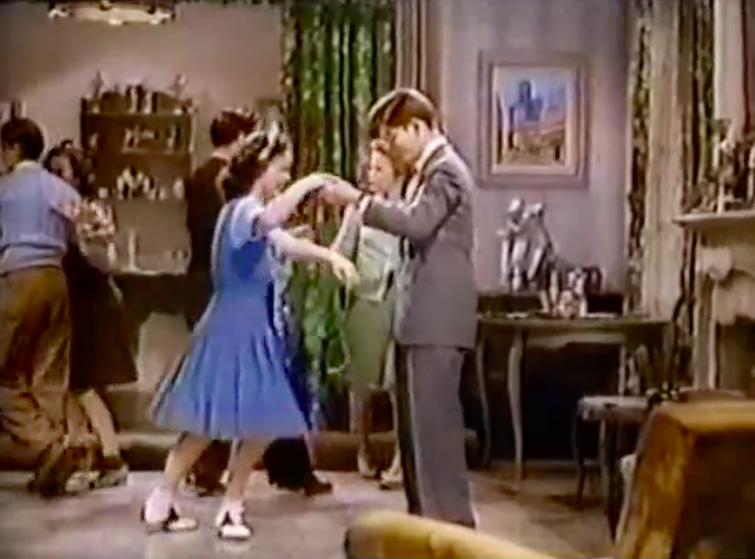
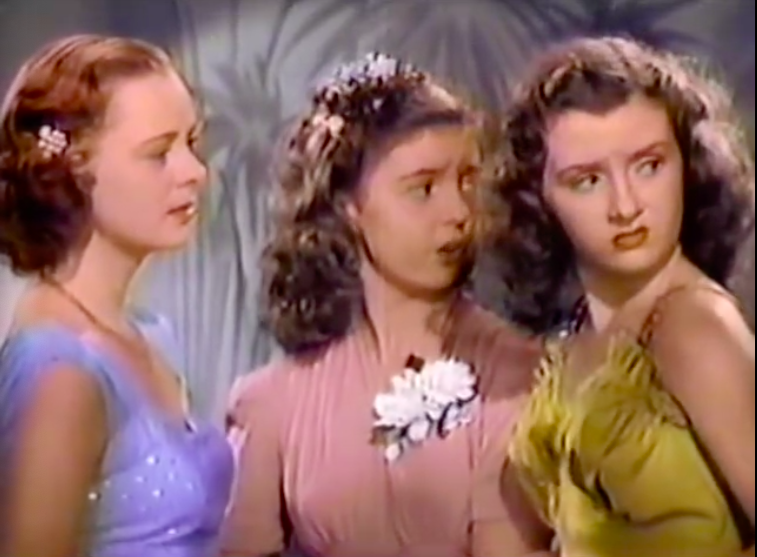
Childhood friend – not sophisticated enough.

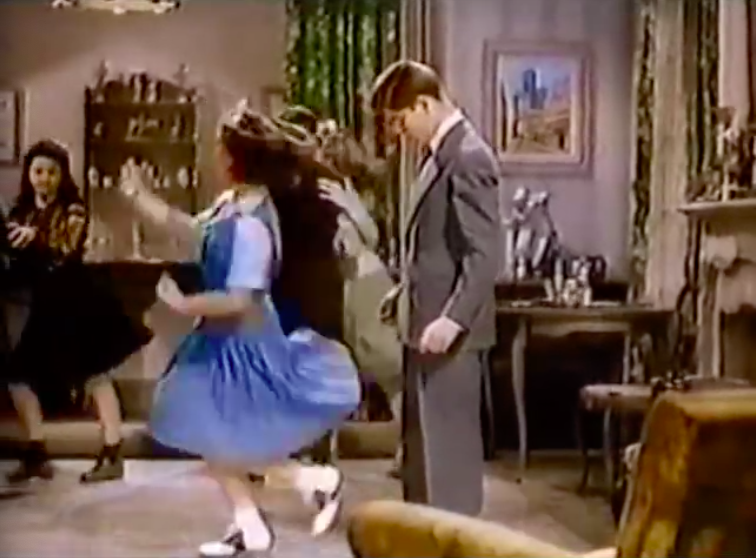
The film is very cute. Shirley Temple is adorable, of course, but all the other young actors hold their own. There are many funny moments when the teens, kids, really, talk about how old and mature they are. Plus, it’s a great look into the lifestyle and the language of young people in the 40s.

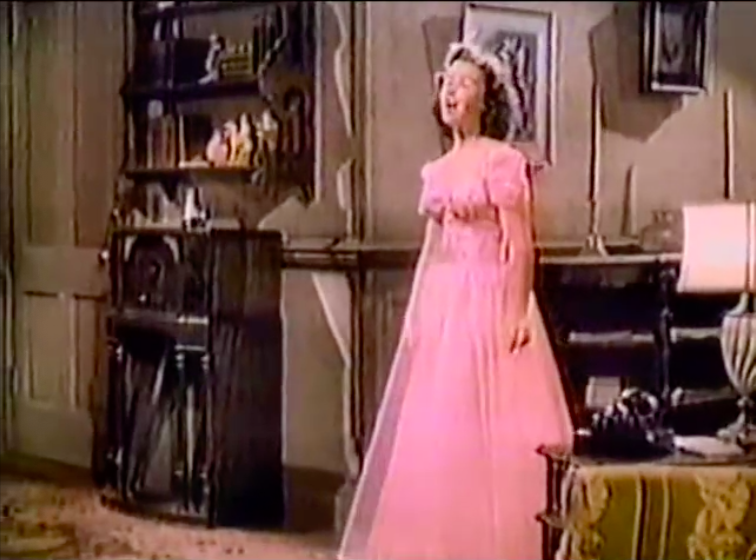
The film is mostly fun and pleasant but several moments I found quite heartbreaking, like when father promises Annie a new dress but then doesn’t show up in the store (she does get the nice dress, don’t worry) or when Marty’s parents are acting like awful snobs.

The beautiful dress, the terrible screencap
Rich girls being judgmental

I have to say, I was worried it was going to be one of those films in which the father gets gross when faced with the reality of his daughter growing up but there wasn’t really much of that (the father was a disaster in enough aspects already). But that is definitely something to think about, I’m not that familiar with Temple’s biography but I know enough about child stars to realize how sexualized they are from early age (remember those infamous countdowns to the Olsen twins turning eighteen?). I am glad that this film, in which Temple is not really a little girl anymore, is wholesome and appropriate – even though she did receive her first on-screen kiss (on the cheek).

Summer Under the Stars: Day 3 – Marlon Brando

Marlon Brando – for many the greatest of the great. A Streetcar Named Desire. On the Waterfront. The Godfather. Apocalypse Now

I did not watch these films today. I watched Candy. And Superman.

Because I have seen all those other films already. And WHO ELSE watched Candy today, huh?

Candy (1968)

When Candy started I immediately thought that I was going to love this film. I could tell right away it was most likely going to be trippy, weird, and funny. I was sure of that when Richard Burton appeared, as a truly ridiculous rockstar poet character.

Then Richard Burton sexually assaulted Candy.

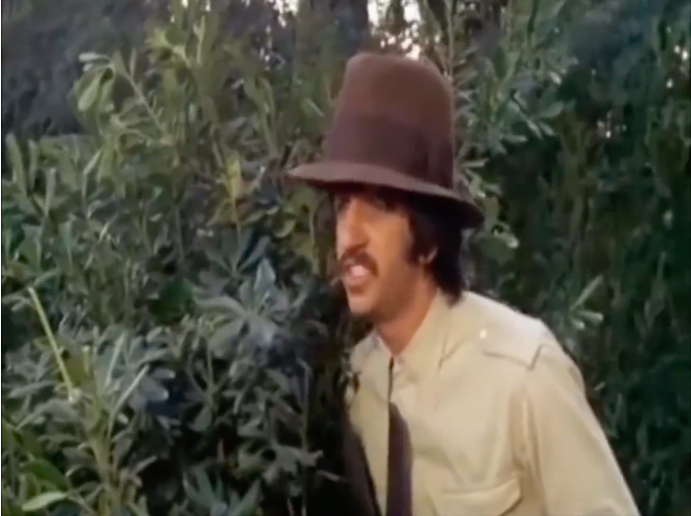
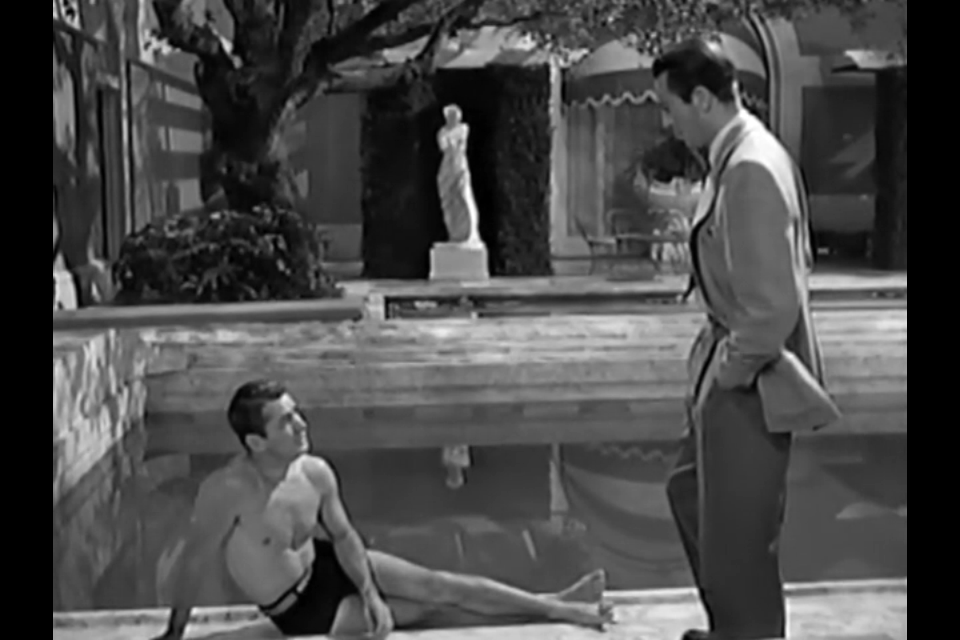
And then Ringo Starr appeared. As a Mexican gardener. Yes. A Mexican. Gardener.

The “good boy”

And guess what? HE sexually assaulted Candy.

That was awful but the film still had some delightful weirdness to offer. After the assault by Ringo (which was, of course, blamed on Candy), her parents decide to send her away. On their way to the airport they are surrounded by a group of Mexican witches on motorcycles, for example. Amazing. The 60s clothes and music and hippie culture are something I love so I enjoyed that parts.

But as the film goes on Candy is sexually assaulted by Walter Matthau. Then by her uncle. Then by the surgeon who is supposed to be saving her father. Then by men in a bar where she escapes from the hospital. Then by a filmmaker who wants to take pictures of her. Then by a hunchbacked man she shows sympathy to. I think you get the picture.

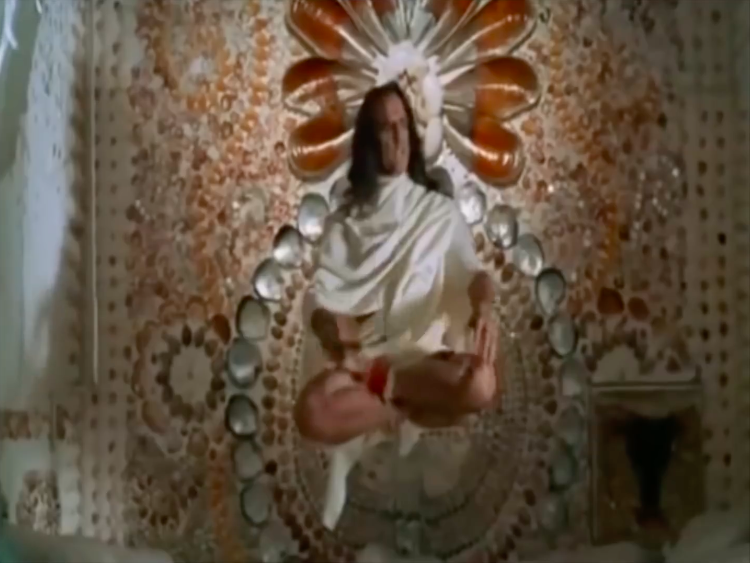
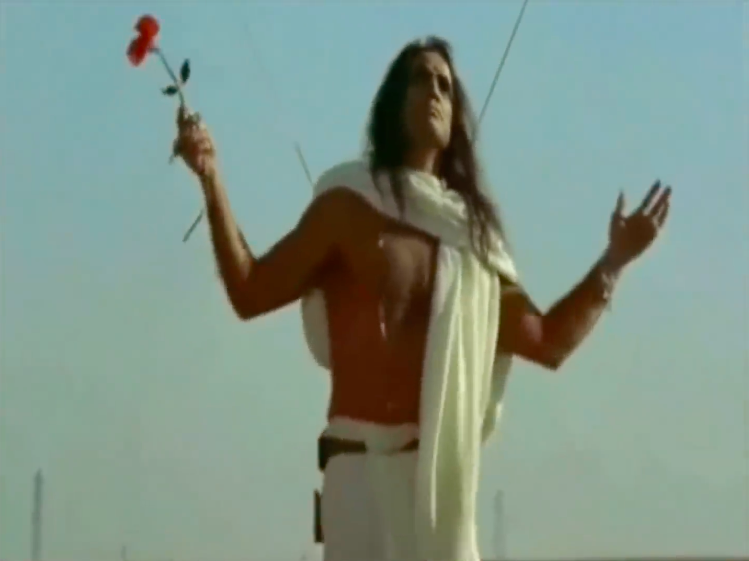
AND THEN BRANDO SHOWS UP. MARLON BRANDO AS A „HINDU GURU”. IN BROWNFACE.

W

Brando is so ridiculous that maybe his performance crossed to a place where it becomes less offensive. I’m honestly not sure if words can do justice to what is going on in the film.

T

Candy is so weird and obviously influenced by counter-culture and genuinely funny at times that it is at least a little bit enjoyable. But the fact that Candy (the character) is THAT sexualized and is assaulted THAT MANY times kind of ruins the experience.

F

Superman (1978)

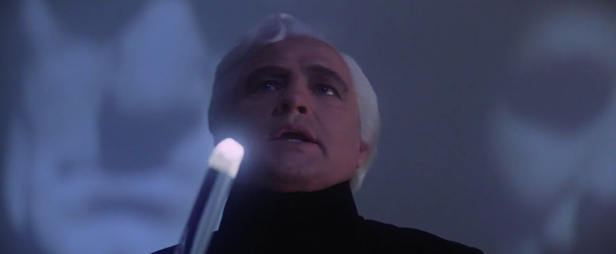
The 1978 film is, as one might figure out, the origin story of the most famous superhero. Marlon Brando plays Superman’s father, Jor-El. He sends his son to Earth to protect him. There, he is adopted by Glenn Ford and his wife and assumes a human identity of Clark Kent. He possesses superpowers of super speed and super strength. Also he can fly. As an adult he works undercover as a journalist while also saving the Earth as Superman.

Jor-El being controversial

I think that most of us in 2019 have superhero movie fatigue. I do and so I wasn’t very excited about watching Superman. But to my delight, I actually loved it. 

Maybe somehow the fact that it was made in 1978, when not that many superhero films were being produced, influenced my enjoyment of the film and somehow made it seem fresh. It was really joyful and fun – like an adventure superhero film should be. Plus, I loved the cinematography and the colours and the 70s special effects. And Margot Kidder. I’ve loved Margot Kidder ever since I saw her in Black Christmas.

Marlon Brando’s role is important but not big, he shows up only in the first twenty minutes or so, and then makes a cameo. But it’s interesting to think of this role as a kind of precursor of all the big stars of today showing up in Marvel movies in secondary roles.

Today I only watched two films but I need to chill sometimes. Four-five film days will most likely return sometime this month. Now I need to catch up on my reading.

Summer Under the Stars 2019: Day 2 – Ruth Hussey

Day 2 and I’m still here! Not gving up! Great! And what a lovely day to spend with the one and only Ruth Hussey!

Tender Comrade (1943)

Yesterday I mentioned blacklist in passing while talking about Blockade. And now – Tender Comrade. I mean, the title alone. And it’s written by Dalton Trumbo!

Ginger Rogers is married to a soldier. They love each other a lot and the film manages to convey that in the very first ten minutes of the story and then the husband has to leave and we feel genuinely bad because we know Ginger is very sad. We further explore their relationship in flashbacks throughout the film.

She works in an aircraft factory, among other women. And one of those women is the heroine of today Ruth Hussey. And immediately we know what kind of character we are dealing with here. I mean, her first word in the film is „hangover”. 

Here she is!

During lunch Ginger, Ruth, Patricia Collinge, and Kim Hunter realize that they pay way too much for their tiny apartments and decide to start living in a house together. They are going to share their things and support each other and „run the house like a democracy”. And I know what you’re thinking – communism!

Ruth Hussey is probably the least emotionally vulnerable of the four (at least on the outside) but she still has her charm. She is witty and sarcastic.

At one point the women realize they hate cleaning up and are too tired after work so they hire a maid. The maid turns out to be a German woman and Trumbo must have loved writing her lines. At one point she says that at one point they had democracy in Germany, too. „You lost it?”asks one of the women to which the German replies „No, we let it get murdered”. Later Ruth is saying how tired she is of war effort and how she wishes they would not have involved themselves in the fight at all. Ginger says „this kind of talk comes straight from Berlin”.

Frustrated with the war.
Bad news.

It is not a subtle film at all but I did enjoy it a lot and I love the idea of a house full of women (reminds me of another Ginger Rogers favourite, Stage Door). And it did make me a bit emotional.

I, Jane Doe (1948)

The next film involves the war as well but in a completely different way. 

It starts with an earthquake – a homicide. The killer was caught red-handed. And SHE won’t say her name. 

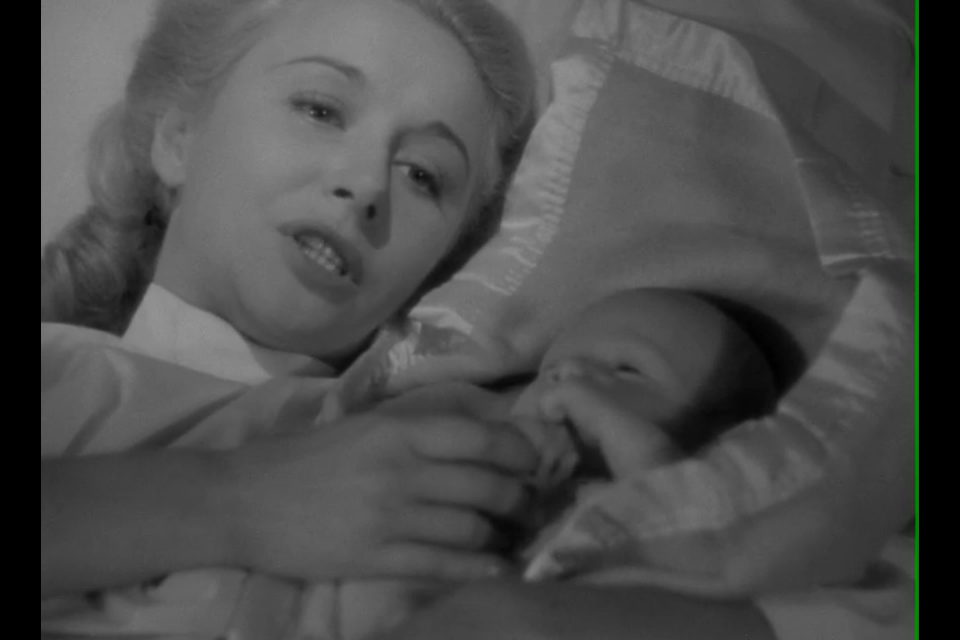
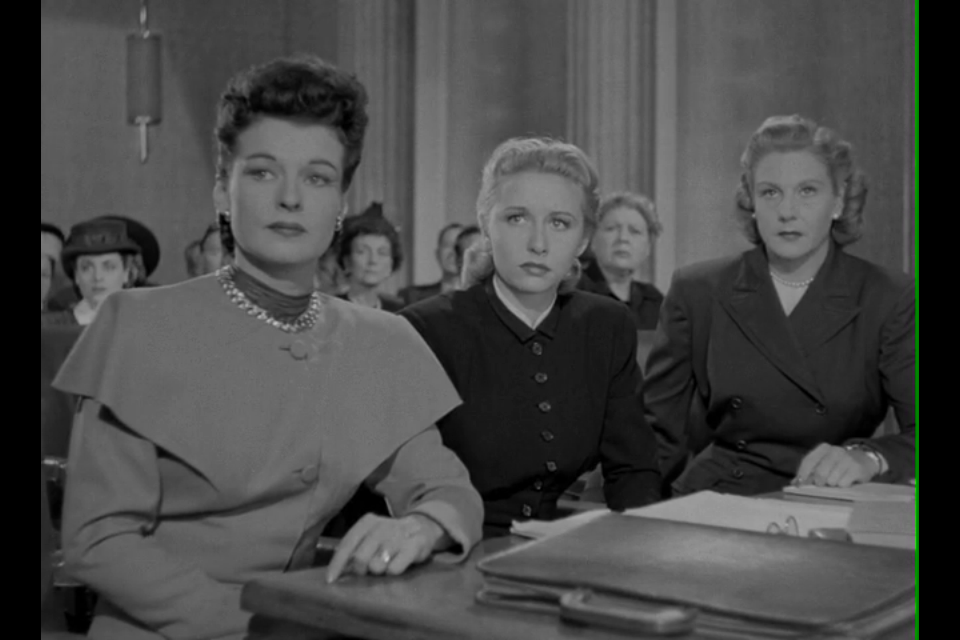
Ruth Hussey plays the widow of the murdered man. Vera Ralston plays Jane Doe who is found guilty and faces electric chair. Her death is postponed, though, after it is found that she is pregnant. And Ruth actually feels bad for her so she visits her in the hospital after she had her baby. And while Jane Doe wanted to die, once she holds her baby she now „has something to live” so there is a breakthrough and she starts talking. And since Ruth is a lawyer, she wants to get a new trial to prove Jane Doe is innocent.

Saved by the baby.

The film is very melodramatic and a bit ridiculous but it is a fun watch. I am not loving the whole “depression and PTSD cured by becoming a mother” thing but I’ll try to not get too judgmental.

Fighting for justice.

Ruth is very toned-down, calm here, pretty much until the finale which I won’t spoil.

It’s interesting that yesterday I watched a political film that could cause its writer troubles during the blacklist (Blockade) followed by a courtroom drama (Young Mr. Lincoln). And today, it worked out the same way.

The Great Gatsby (1949)

Jay and Nick. I feel like Capote would approve.

Everyone knows The Great Gatsby very well. Ruth plays Jordan. She is barely on the screen here. I enjoyed Alan Ladd’s Gatsby but the film felt very modest and quite bland. Little of Gatsby’s famous extravagance is left. But it does not matter because it includes this iconic scene.

The Facts of Life (1960)

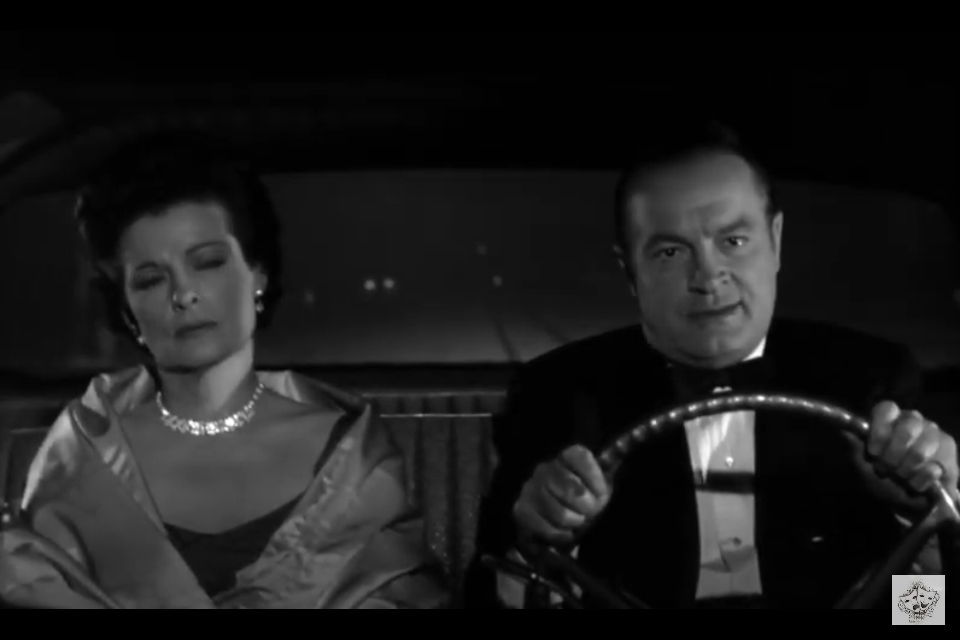
Lucille Ball and Bob Hope are both bored of the same old routine of their married lives. They are both married, not to each other, to different people, Bob to Ruth, and they are friends. One time when they were meant to go on holiday together, both Lucille’s husband and Ruth can’t go but they insist Lucille and Bob still go. They are not too happy about that at first but gradually seem to start enjoying each other’s company. Soon they fall in love.

Ruth Hussey does not have a lot to do in the film but she seems like a perfectly nice woman. I hate this trope of cheaters whose partners do not get developed as characters at all. But I guess it’s better when they are presented as terrible people for no reason (I have a lot of feelings about this, I might write a post).

The ending actually feels earned although possibly problematic (as in, posing a problems worth thinking about, not in the Tumblr sense). Too bad I did not get more Ruth Hussey at the end of her day.

The unhappy couple.

It’s very late and I still have things to do so I’ll end here. Tomorrow is going to be interesting…

Summer Under the Stars 2019: Day 1 – Henry Fonda

Every August TCM does their Summer Under the Stars series, when they feature films of one specific actor/actress every single day. And I participate every year – every day I watch films starring the featured star. The thing is, I don’t live in the US. And I do not have TCM. But I do check the stars picked each year and watch whatever films of theirs I was meant to view but didn’t get around to yet. So these are the films I watched – I don’t know if TCM even featured any of them. But I did.

Day One is Henry Fonda Day! Here’s what I saw:

Blockade (1938)

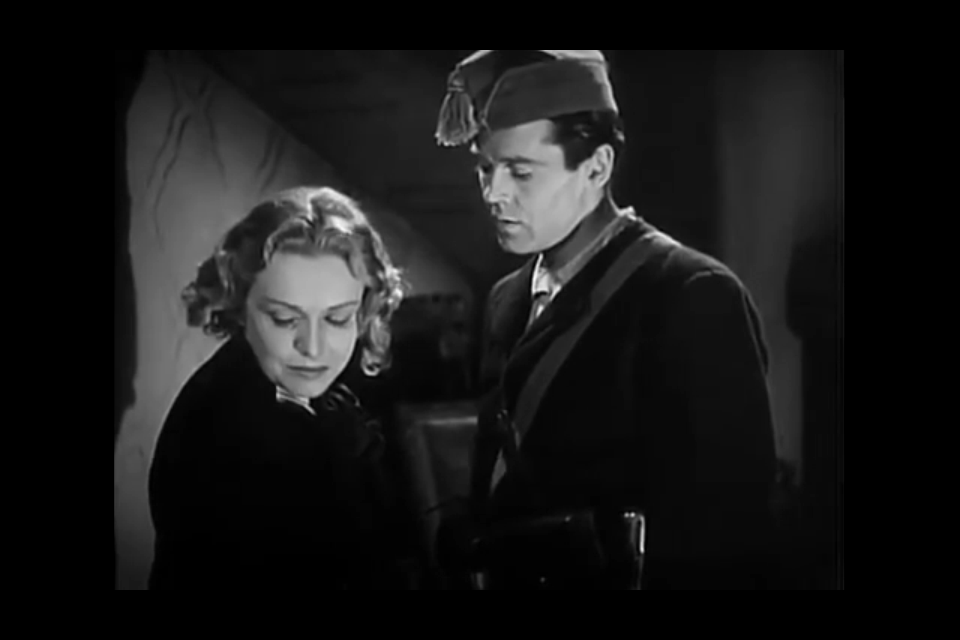
I started out with the 1938 drama Blockade, the story of Spanish Civil War. Henry Fonda, of course, is Spanish in the film (of course). He plays a peasant, a shepherd, who forced by circumstances later becomes a soldier (of course). During the war it turns out that the charming and sophisticated lady he was enchanted by one summer day is actually connected to Russian espionage (and he kills her father). 

Fonda is fresh-faced and driven and even though I would never cast him is such a role myself, he did seem like an actual idealistic soldier.

Here’s the thing: Blockade is not a good movie. Somehow it manages to be tragic and melodramatic and pretty soulless at the same time. But I’ll be honest, some scenes where Fonda’s character calls out the cruelty and senselessness of war pulled some strings of my heart. John Howard Lawson, who wrote the screenplay, received an Academy Award nomination. Later he would be blacklisted as part of the Hollywood Ten. I guess Fonda calling war a „murder of innocent people” would be read as communist propaganda in the 50s.

Young Mr. Lincoln (1939)

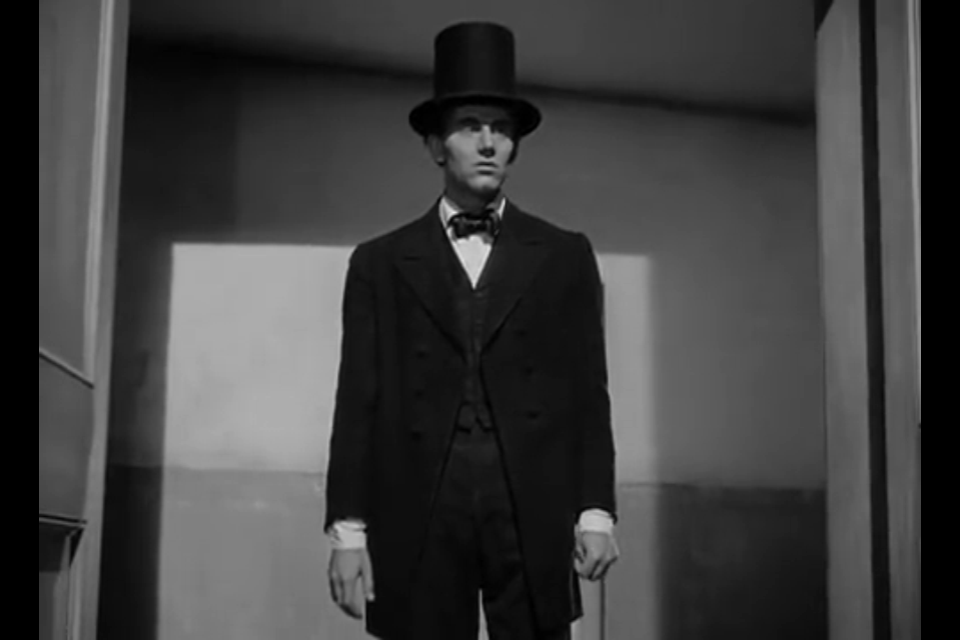
Young Mr. Lincoln is probably one of the most famous films starring Fonda and I am kind of surprised I haven’t seen it before. The title is very accurate (can you believe?) – the film follows Abraham Lincoln as a young lawyer. A large part of it is his defense of two young men accused of murder that the locals want to lynch. And that surprised me because I am used to biopics trying to do the most – and this is simply a courtroom drama for the most part.

Still, of course, Lincoln is presented as a Remarkable Man through and through.

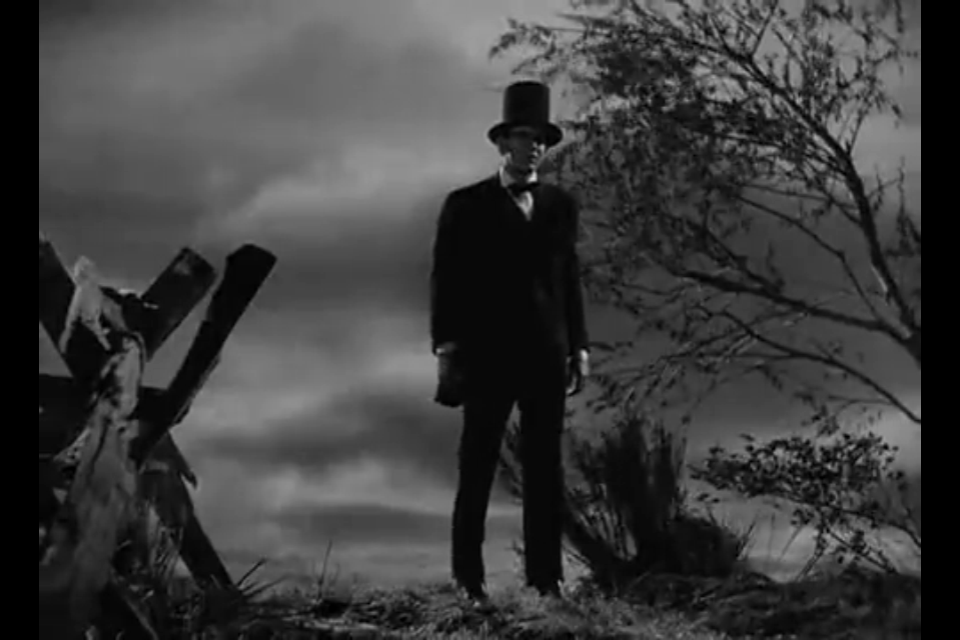
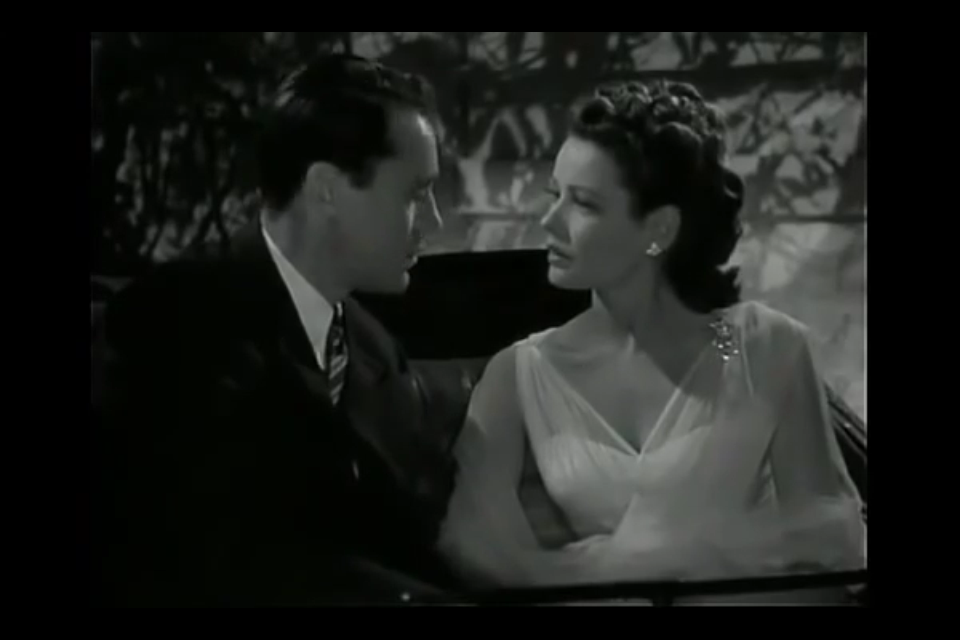
I enjoyed some visuals of the film – from Fonda’s make-up (he does look like Lincoln which surprised me) to several pretty gorgeous shots, especially those romantic in nature.

Rings on Her Fingers (1942)

Now for something completely different – a romantic comedy. I have to be clear from the start, though – in this one it was definitely Gene Tierney who stole my attention.

Gorgeous Gene

Tierney plays a shopgirl from a high-fashion store. She dreams of having all the glamorous dresses she’s surrounded by everyday herself and of marrying a handsome „prince”. One day a couple of con artists invite her to join them in scamming the rich – she gets to live her dream at last! One day she meets a handsome rich young man (here’s Henry) and they decide he’s going to be their next victim. Unfortunately, Fonda is not actually rich and Tierney actually falls for him.

I don’t really have a lot to say about the film itself, to be honest – it was a pleasant comedy that was appreciated after seeing two movies back to back already. Three observations:

  1. It was nice to see a beach for a moment on this summer day, when I am no even close to the sea.
  2. Henry Fonda really reminded me of his daughter Jane here, I can’t even say why.
  3. I don’t think we consider Fonda a romantic comedy guy too often but he actually made a lot of them!

On Our Merry Way (1948)

Now that’s weird. On Our Merry Way is a collection of episodes and Henry Fonda is only in one of them. The basic plot is that of a struggling journalist (played by Burgess Meredith, the real lead of the film – someone who wasn’t even on the posters I saw) tries to find a story by asking random people about their personal memories involving babies.

Henry Fonda is paired up with James Stewart here and they play jazz musicians who thought that Meredith meant „babe”. And so they recall a time when they met a girl, a trumpeter, they were both into and who caused them both to make fools of themselves. 

This whole thing was pretty odd and I’m not sure if I liked it. But it would feel weird to be too harsh on the film which seemed like a really fun experience that everyone involved enjoyed. At least the kids had fun…

Fort Apache (1948)

Fort Apache was released in 1948 just like On Our Merry Way. So maybe Henry didn’t have time to do more in the latter. Fort Apache could not be more different than On Our Merry Way. I don’t know how Henry felt about that but he seemed like a serious guy so maybe he was glad to do a serious film. Fort Apache was directed by John Ford whom I think Henry must have at least respected since he already worked with him on Young Mr. Lincoln which I saw earlier today.

There has already been a lot said about this film, for many it’s the quintessential western. And I agree – it shows white people fighting Native Americans, it can’t get any more western than that (and it has John Wayne, I mean…).

It was interesting to see Henry Fonda playing a role like that, of a respected military man and a father of an *almost* adult daughter after watching him either really young or in really silly roles all day.

BTW, look what someone did on Wikipedia:

The disrespect!

And that was my August 1st! I think it was a success, I managed to see five films. I don’t know if I will have time to watch that much again but I am excited for what the month has in store.

Presenting…

Hello. Welcome. I have decided to create a space to share some of my interests and observations. Tomorrow Summer Under the Stars begins and I am going to participate in my own way, which seems like a good moment to begin this endeavour.

(I am really excited to watch some Old Hollywood. I watched City of Angels yesterday and What Dreams May Come today and… let’s say that 1998 melodrama just ain’t it).

Design a site like this with WordPress.com
Get started