Passport to Pimlico is a good old Ealing Studios comedy, something that to me always signifies at the very least a PLEASANT time. And it IS a pleasant film!
The movie begins during an English heat wave (bittersweet to watch, during an unexpected coldness where I am these past few days) with a literal explosion, as a bomb detonates in Pimlico in London. What becomes unearthed is a treasure from the fifteenth century, including a document that has never been revoked, declaring Pimlico a part of the kingdom of Burgundy. What that means is that Pimlico is independent of Britain.
The film is definitely wacky and goofy, a true to form comedy. I oftentimes struggle to write anything resembling deep analysis when a film’s main purpose is to be funny. I guess there could be something to say, though, about what it really means to be a nation, I’m not sure what. I watched mainly it for Margaret Rutherford, who is featured actor today on the 2021 TCM’s Summer Under the Stars, and while her role is significant, she is the professor who tells us what the found documents mean, it does not get that much screen time. I guess that’s not surprising, seeing as there seem to be 8000 characters in this 80-minute movie.
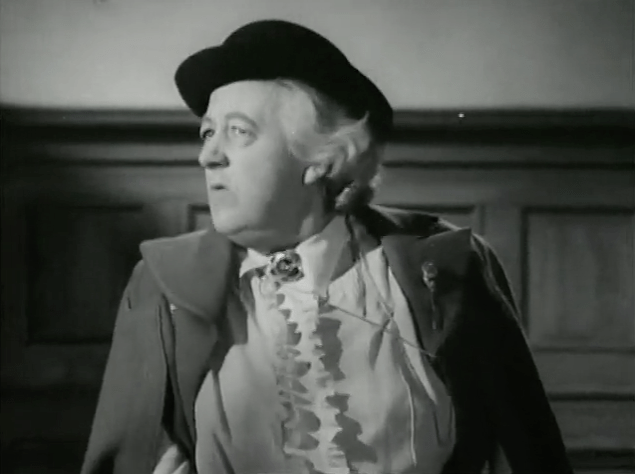
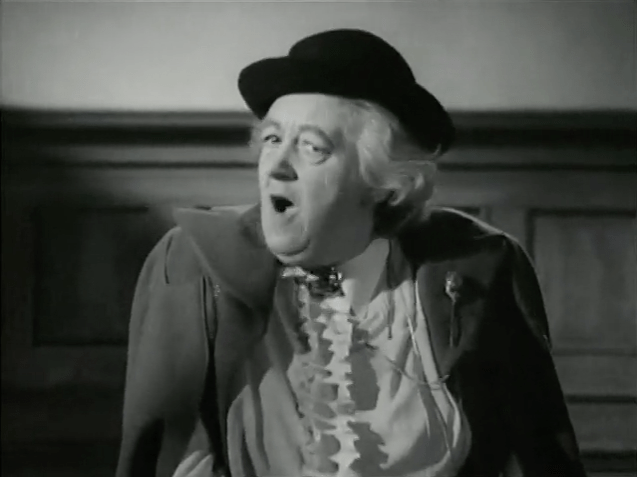
I have to say, I did really love the cinematography. The film looks like it could have been made in Hollywood like a decade earlier, but let’s be fair here, the Europeans had a pretty good excuse not to improve their film production for several years. Still, the camera work, the light and shadow makes certain scenes truly beautiful.
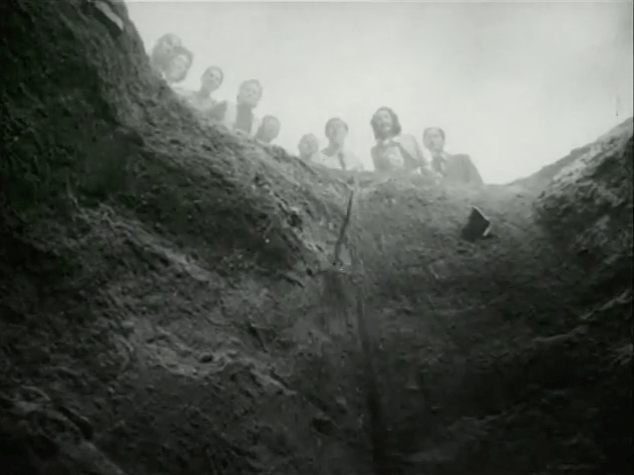
The film reminded me of one of my favourite Polish comedies, Treasure, which was released just a year before. It’s not just because of the treasure being a significant part of the plot, but also because both movies were filmed pretty much right after World War II, in cities that endures incredible destruction. It is more obvious in Treasure, where the characters literally make their way through the ruins of Warsaw, but the London of Passport to Pimlico also carries the unmistakable trauma of bombings, not only because of the actual bomb site, but also because it seems strangely… empty. There is undeniable tragic side to the comedy set in these particular places, in this particular time, but also a lot of heart and a lot of hope. I wonder how we’re going to approach humour after our current crisis, if we ever get out of it.
 Swingin' at the Seance