The decade is coming to an end. The 20s are upon us! Naturally, we look forward to the future but also nostalgically gaze into the past. This is why I have selected my top ten films of the 1910s. This is a very subjective list of films that have somehow touched me, impressed me with something. While compiling it I have realized that when it comes to silent cinema I tend to be a little shallow and focus on the purely visual side of the pictures. But hey, at least that means I have curated a collection of really beautiful films. Here they are.
10. Die Puppe (1919), dir. Ernst Lubitsch
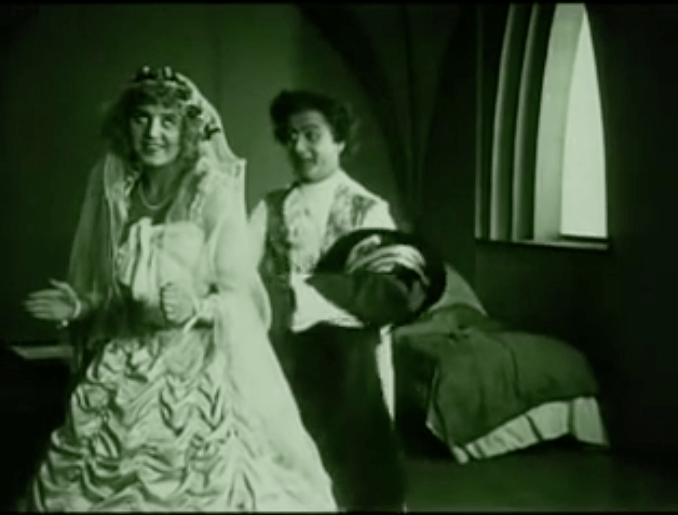
Number ten is an early Lubitsch production that I like to refer to as „Méliès fun” – a film with trick and gimmick based humour. It is a story of a king’s nephew, next in line to the throne, who does not want to get married. But! His uncle promises him a large sum of money if he does, so he, naturally, decides to buy a life-sized doll and pretend to marry her. Tragically, a local boy breaks the doll right before, um, her future husband is supposed to take her home. A young woman decides to pretend to be the doll.
The film is a delight. The sheer image of a girl pretending to be a doll tells you it is going to be an exercise in physical comedy and the actress, Ossi Oswalda, is truly charming. Plus, the film has lovely fairytale-like, folk-y aesthetics that make it a visual delight.
9. Bestia (1917), dir. Aleksander Hertz
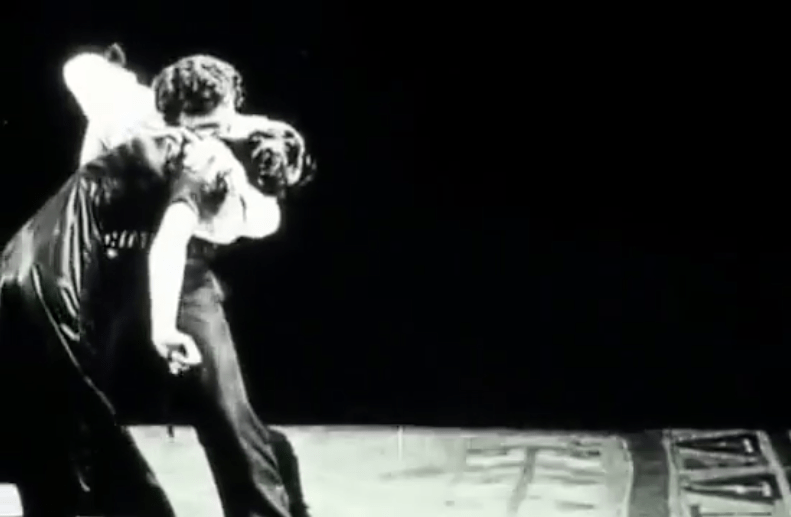
I found a Polish film to include on the list and one starring one of our most famous exports, Pola Negri, at that.
Pola plays a young girl who is not exactly a good kid, she spends her evenings partying with her friends and basically being as far from a proper lady as possible. After one particularly rough argument with her father she runs away. She also steals her boyfriend’s money and moves to a big city where she works as a model and a dancer and eventually begins an affair with a married man. Drama ensues.
I’ll be honest, a big reason why I like the film might be that I got to see it on the big screen with live accompaniment which was wonderful, but I also cannot ignore the charm of Pola Negri. And this is not the lovely Ossi Oswalda charm, this is a dark sexy femme fatale witchery. And I love it. And yes, the plot is incredibly dramatic but hey, it was the 1910s!
8. Algie, the Miner (1912), dir. Alice Guy
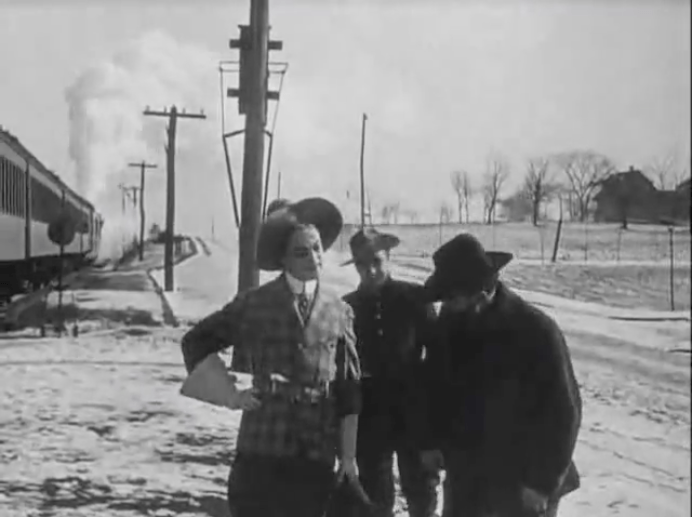
Number eight is one of the most talked about early examples of gay men in the media. Kind of…
Algie the Miner is a story of a young „effeminate” man who travels to a mining town where they are going to make a real man out of him. If he proves himself the father of the girl he likes will allow them to marry.
Yes. The first „gay movie” is about a man trying to marry a woman.
Let’s just say this is not exactly a pinnacle of representation or a completely PC portrayal of a gay man (is he even gay?) but it has some odd charm to it. Algie is funny less because he is „gay” and more because of the classic fish-out-of-the-water scenario. And this is still an example of a very particular brand of masculinity representation at the dawn of cinema.
And what is the most important: the „real men” in Algie the Miner are violent, messy drunks and in the end Algie comes out as the one we appreciate more.
7. Posle smerti (1915), dir. Yevgeny Bauer
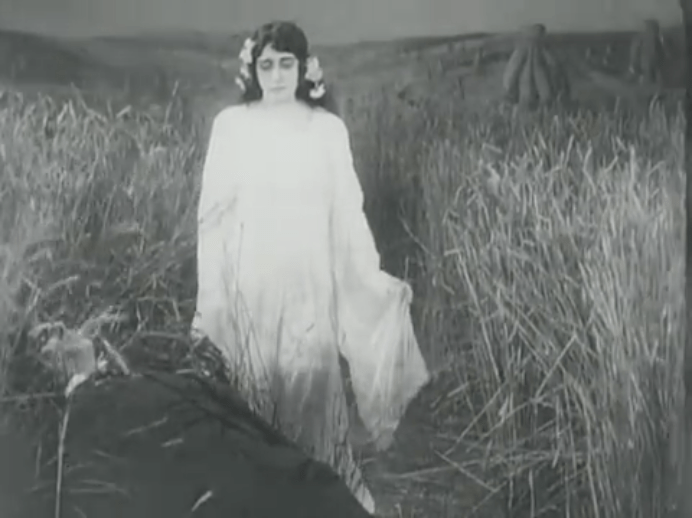
After Death is a Poe-esque Russian tale of obsession and madness. Andrei is an asocial loner who lives with his aunt and spends all his days inside (not that I can relate…). His friend decides to help him (this I actually can’t relate to) and invites him to go see a play with him. Andrei eventually agrees and this decision changes his life. The main actress in the play becomes his obsession and this obsession only becomes stronger after he finds out she died…
The themes explored by Posle smerti are fascinating on their own but to me the film’s strongest element are its visuals. It features beautiful, rich interiors and costumes that truly represent the decadent spirit of the 1910s upper classes. But there are also some wonderful, dreamlike sequences that feel like painitings. It is a gorgeous film.
6. Terje Vigen (1917), dir. Victor Sjöström
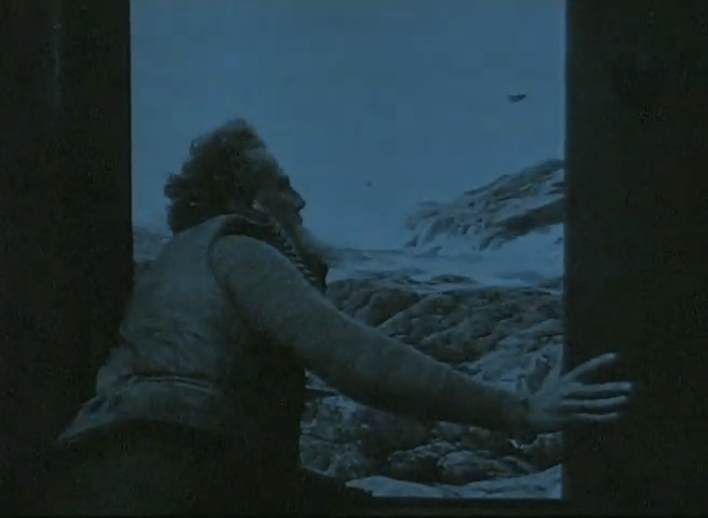
Or, A Man There Was.
This is a Swedish film not only directed by Victor Sjöström but also starring him in the lead role. It’s a story of a man who was sent to jail for many years while on route to Denmark after leaving his Norwegian house to provide for his family. While he is gone, his wife and daughter die. After his return he leads a solitary life until one day the paths of his and the man who imprisoned him meet again.
I may be biased here because I adore sea films (and books. And music! And art!) and everything nautical, but I think Terje Vigen is a truly gorgeous picture. And by that I mean it is beautiful to look at: the cinematography is truly impressive and looks at times like the best of landscape art. But it is also a rich story of grief and loneliness and what it’s like to lose everything. And it is a study of revenge and moral dilemmas. A great achievement.
5. Falling Leaves (1912), dir. Alice Guy
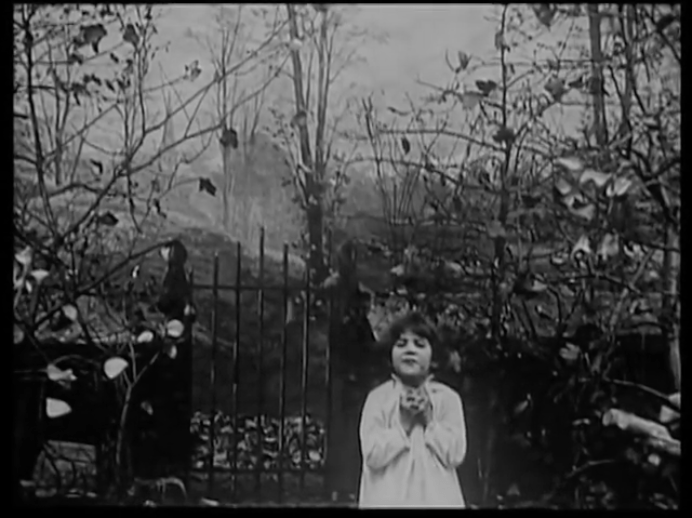
Falling Leaves might be one of the most touching and tearjerker-y silent films (of ALL the silent films). It is a short story of a family with two daughters. The older daughter becomes ill and the doctor who treats her says that she will be dead when „all the leaves fall off the trees”.
And pretty much the entire reason why this film is on the list, and why it is so high on it, is one visual: the younger daughter tying the fallen leaves back to the trees so that her sister doesn’t die. I will not accept anyone saying this is a cheesy premise and a manipulative filmmaking. I truly do not care, I consider it one of the most beautiful and tender images in film history.
4. Anders als die Andern (1919), dir. Richard Oswald
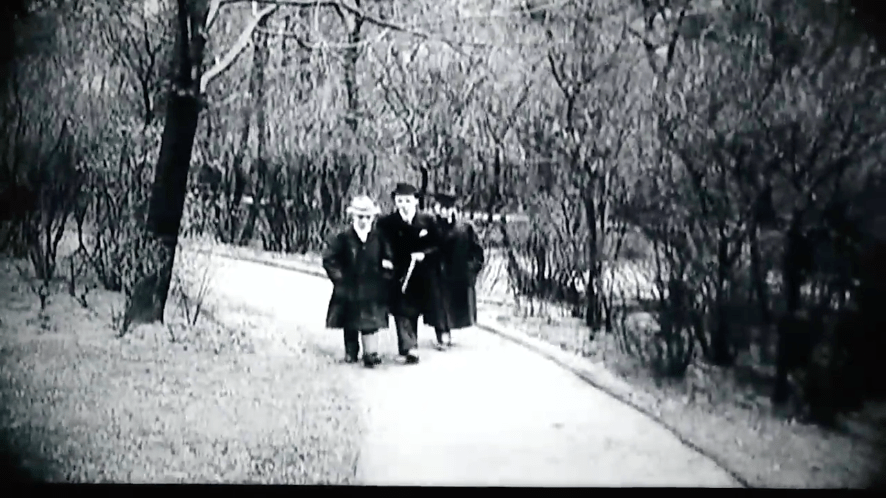
Maybe calling Algie the Miner a gay movie was reaching a bit but it definitely has the subtext. Different from the Others is, well, I’m just going to say this, openly gay. This movie is literally a hundred years old and it flat out states that homosexuality is natural and should absolutely be accepted. And it approaches men who live in self-hatred because of their sexual orientation with sensitivity and understanding.
Granted, this film is still a product of its time so it’s not a happy tale and it does prominently feature the torment and suffering caused by unaccepting, hostile, bigoted society. But it is an incredibly important thing and a perfect thing to throw in faces of people who claim that gay people are a „product” of modern times.
3. Umirayushchii Lebed (1917), dir. Yevgeni Bauer
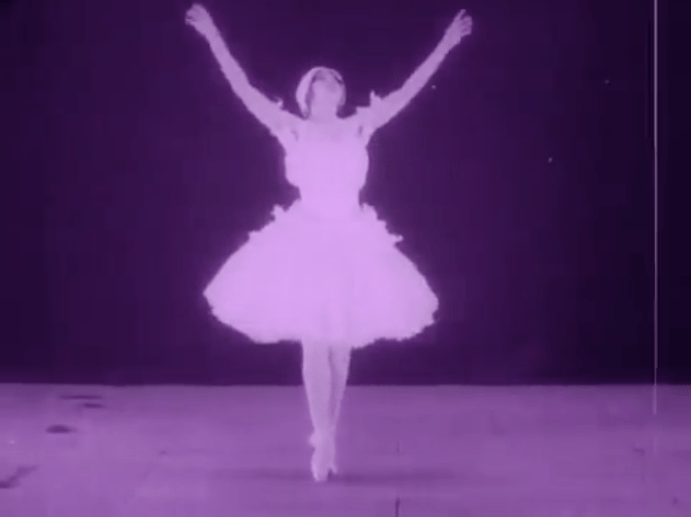
The second Russian film on the list also includes passion and art and is also visually stunning. Plus, it is ALSO directed by Yevgeni Bauer and it stars Vera Karalli. Just like After Death.
A young woman, Gizella, meets a man by the lake and she falls for him. They begin seeing each other and she truly believes they are meant to be together. So when she sees him with another woman, her heart is broken.
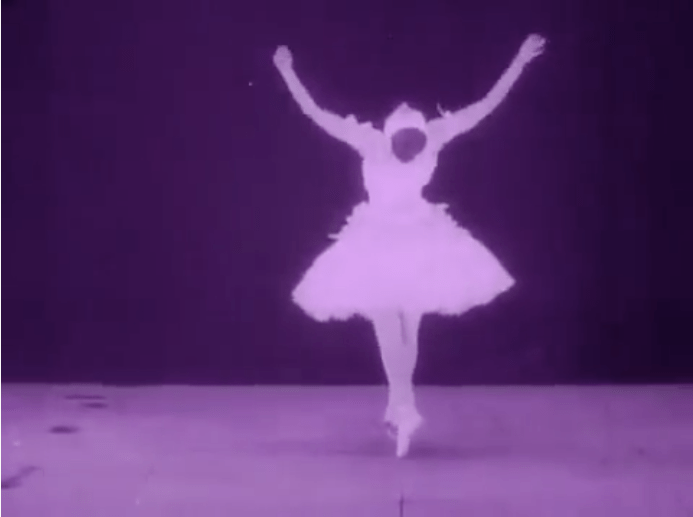
What can bring Gizella comfort is her love of dance. Dancing is the most important thing in her life, her „entire soul”. When she dances The Dying Swan she enchants a man (sounds familiar?). He is a painter who has been looking for a visual representation of death and he feels that he finally found it in Gizella.
Dancing in the film equals death, Gizella’s solo as The Dying Swan is both minimalistic and incredibly impressive, it does look like dying. But dance is also life because it is what awakens all the emotions both in her and in the painter.
This film uses visuals, movement, color (color tints were used in two key scenes) to represent the purest beauty.
2. Rapsodia satánica (1915), dir. Nino Oxilia
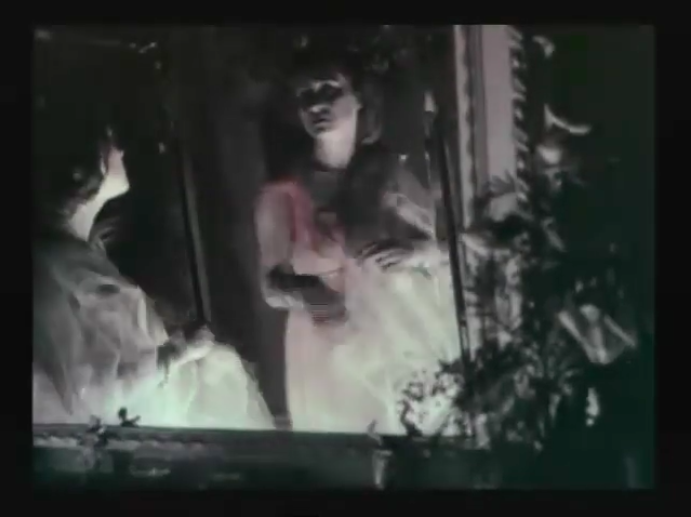
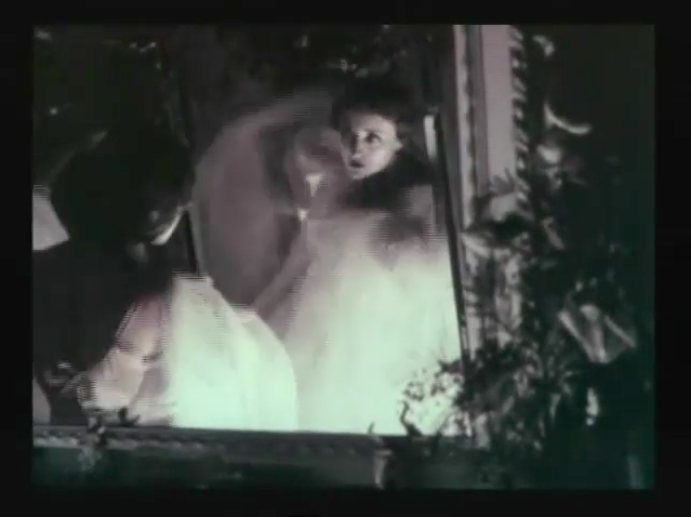
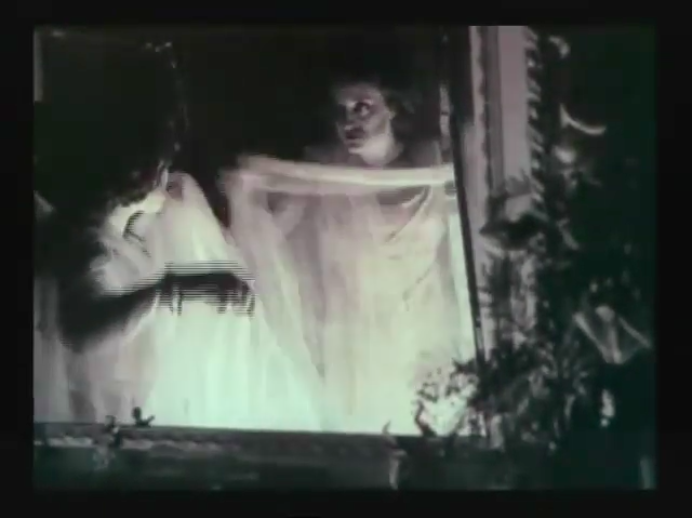
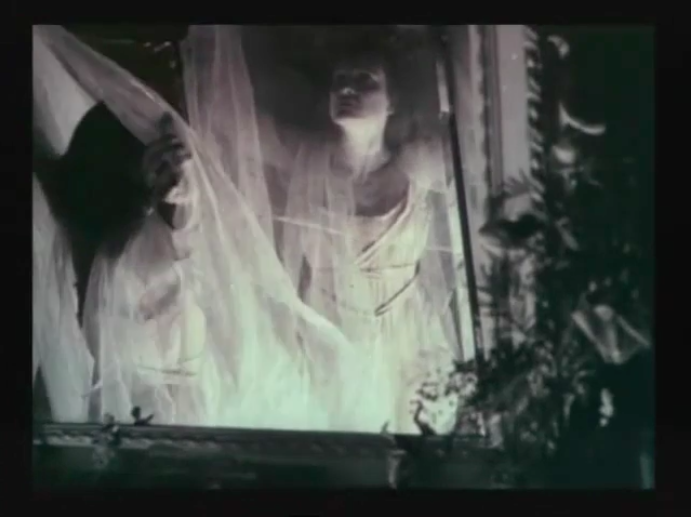
At the end of the day, the fastest way to my heart is through weirdness and spooky stuff. And Rapsodia satánica is a pure, classic scary story dressed in beautiful visuals (yes. I know that I keep going on and on about visuals and how beautiful all those films are but I can’t help it. This is something I love seeing).
An old lady living in a huge castle, wallowing in her sadness, is visited one night by the devil himself, Mefisto. He offers her a deal: he is going to give her her beauty back but she has to give up love. It is basically, kind of a female version of Faust (something something ruined childhood something something).
Lyda Borelli plays the main character and she is truly a vision. Her face is expressive (those eyes!), she is a dreamlike presence in a dreamlike setting. I am now realizing that there are several films on that list that are vehicles for early female stars and this one gives Borelli a lot of opportunities to truly be a movie star. The film uses her physique along with the play of light and the creepy visuals to create something incredibly atmospheric. Mefisto appears in red, again we have some clever color manipulation which adds to the visual storytelling.
Rapsodia satánica is a scary and sad look at youth and love and life and how it all truly is but a dream.
1. Suspense (1913), dir. Lois Weber & Phillips Smalley
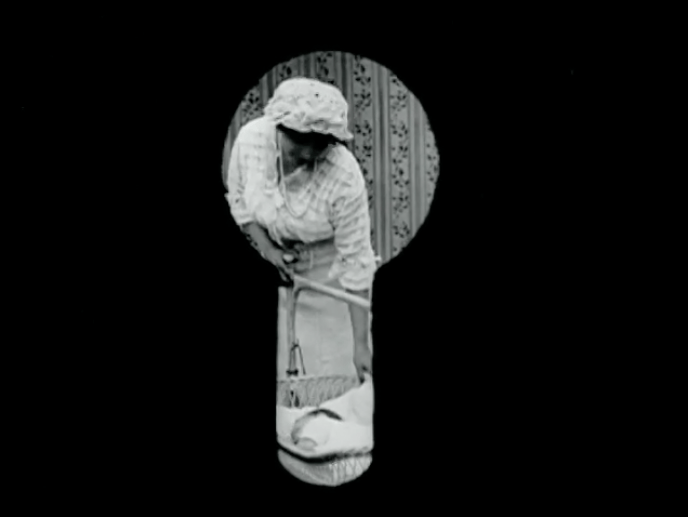
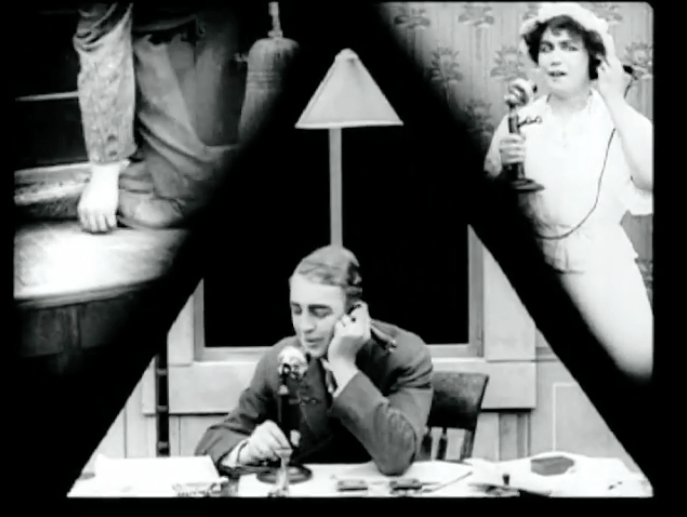
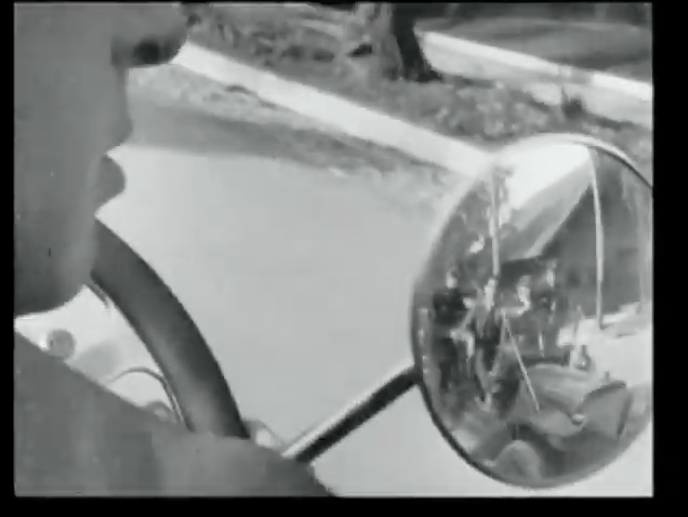
There was only one possible film I could put in first place of the list. There is one particular film from the decade I consider an absolute masterpiece. Lois Weber’s Suspense is, in my opinion, the most impressive and important achievement o the cinema of the 1910s.
A story is simple: a mother and her baby stay home alone while the husband/father is at work. What would be a regular day, though, is disturbed by a hobo lurking around the house. When he knows that the woman is by herself, he attempts to break in. She needs to hide out, protect her baby, and get her husband to come up with help.
This might seem like a laughably simple plot, especially when compared to rich themes of Terje Vigen or Posle smerti. Maybe it seems strange that this is the film I deem the best. But what Suspense achieves in such a simple plot, such a short time, is incredible. The title of the film could not have been more accurate. This could be one of the most suspenseful film in cinema history. You are on the edge of your seat, when you’re waiting to see whether the help will arrive in time, when you’re seeing the intruder getting closer and closer to the woman – closer to the camera! And the stalking of the woman and the child is shown masterfully, through a literal keyhole.
And then there is the car chase. The car chase to end all car chase scenes in the future. The race with the time, the vehicle shown in the car mirror. It’s perfect.
And the split screen!!!! It’s 1913!!!!
Suspense is such a fully realized film, where everything has its purpose, where each element adds to the story. It is what I would call a skillful filmmaking creating something perfect.
What a decade! I can’t want to see what the 20s have in store for us!
 Swingin' at the Seance